Restaurant Software for Faster Service and Better Operations
A guest asks if a dish is available, the waiter checks with the kitchen, and the price on the printed menu no longer matches the one at the register. Such situations aren't minor — they slow down service, create distrust, and take up staff time when the place is busy. Well-implemented restaurant software solves these everyday bottlenecks without complicating work.
For a restaurant, cafe, bar, or hotel, software doesn't have to mean a large, expensive system with features no one will use. The most useful solution is one that fits the actual rhythm of the establishment: it updates quickly, is easy for the team to use, and gives the guest clear information without waiting.
What is restaurant software in practice?
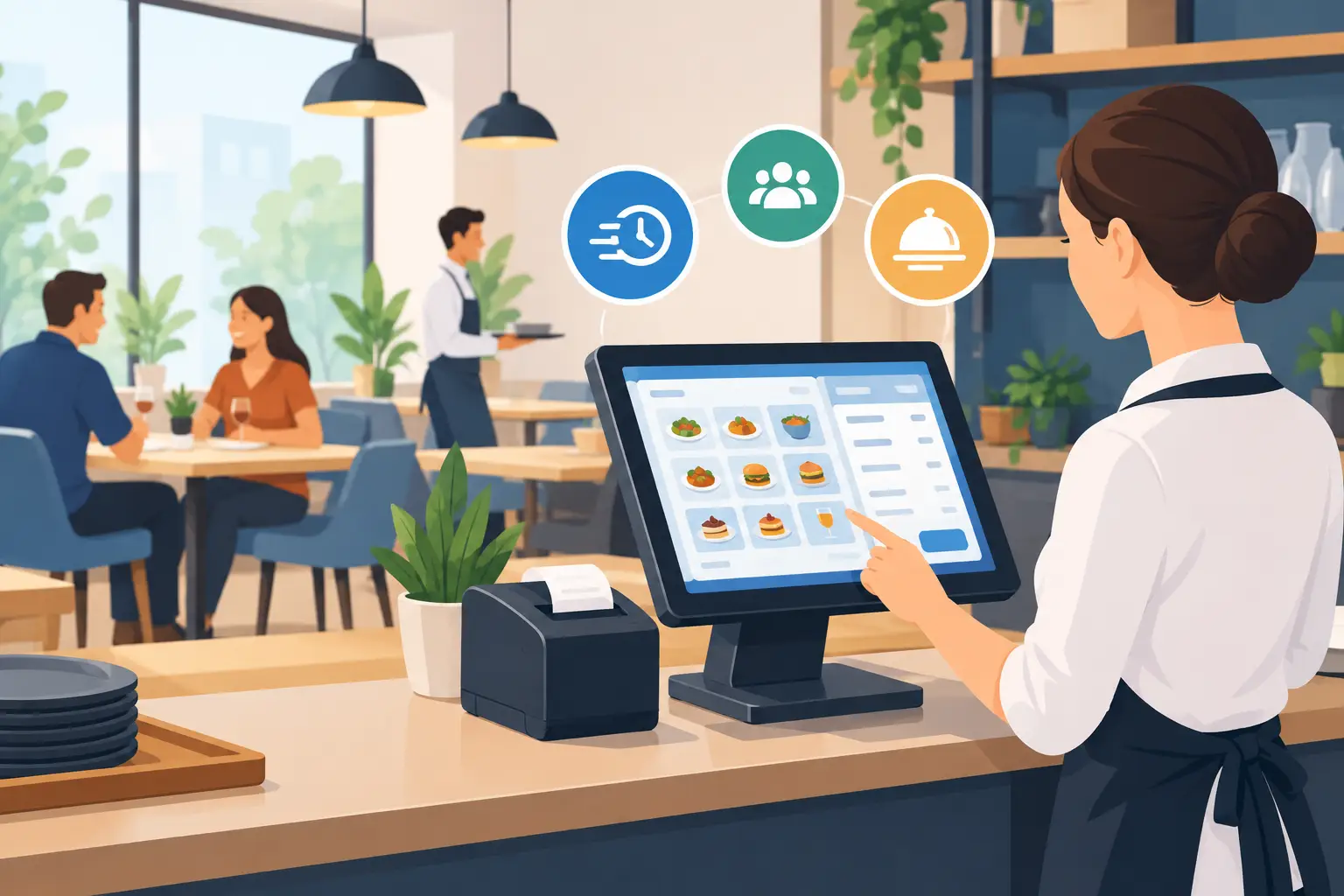
Restaurant software is a set of digital tools that help a hospitality business organize sales, orders, menus, inventory, reservations, or guest communication. Some systems cover all these areas, while others focus on a single function, such as a digital menu or POS system.
That's an important distinction. An establishment that already has a register might not need a new POS system, but it does need a simple way to change drink prices, hide a sold-out dish, or display the menu in multiple languages. In that case, a digital menu isn't an add-on for technology's sake, but a practical part of daily service.
For high-volume establishments, those with multiple shifts, or multiple locations, a broader system might make sense. For a seasonal seaside restaurant, beach bar, or city cafe, it's often more important that information presented to the guest is accurate and immediately available.
Where establishments most often lose time and money
A printed menu seems like a familiar and simple solution, until the first change comes. A new price, an altered cocktail recipe, a dish no longer available, or a weekend special usually requires new preparation and printing. If the establishment is open seasonally and serves tourists, such changes can be frequent.
The cost isn't just in printing. Staff answer the same questions, explain which items are unavailable, and sometimes have to correct errors in front of guests. A guest who has already chosen a dish, only to then learn it's unavailable, gets a worse impression of the establishment's organization.
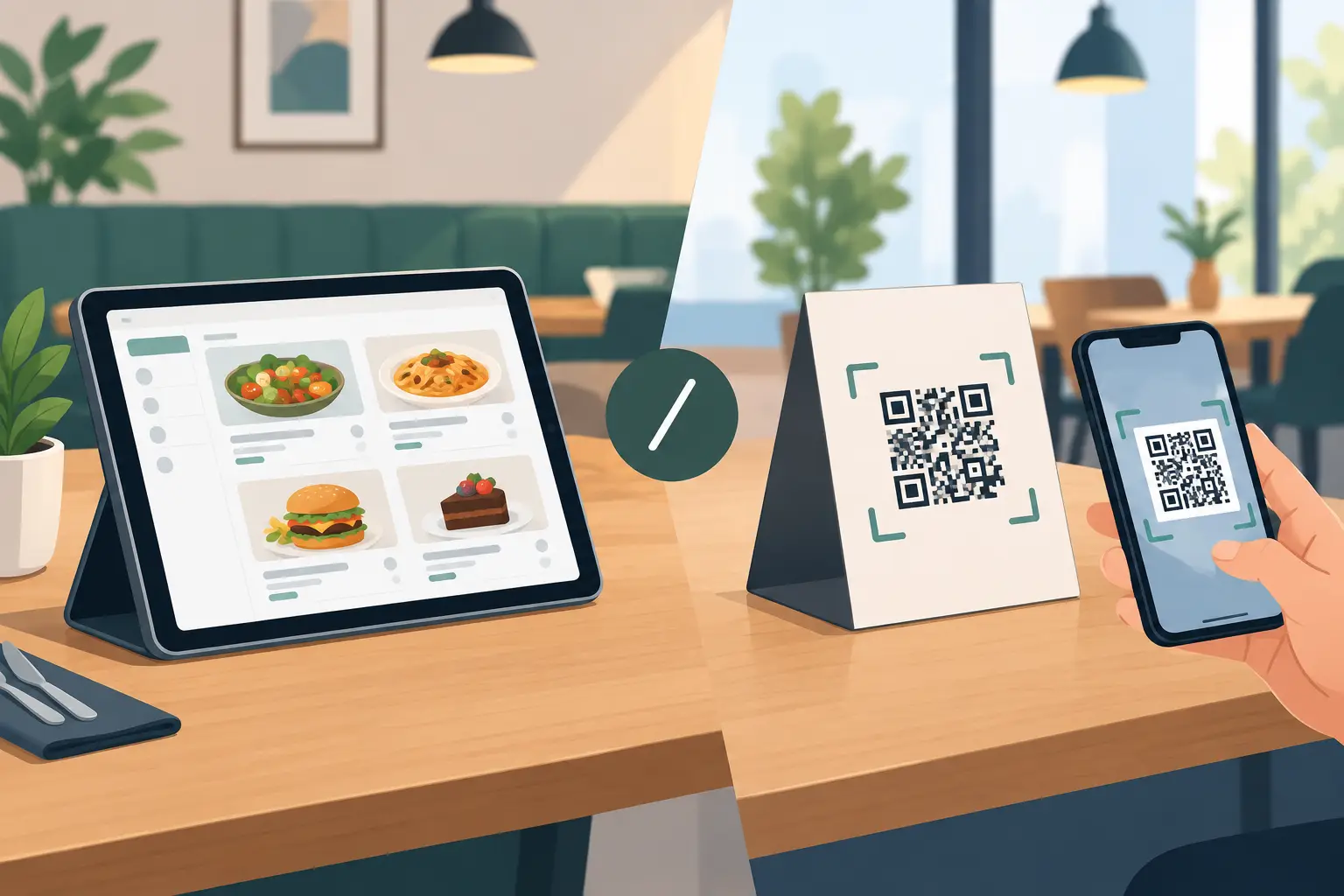
Restaurant software can reduce this problem by centralizing information. When the menu is digital, a change is entered in one place and displayed to all guests who scan the QR code. There's no collecting old copies, taping over prices, or different menu versions on tables.
Features that truly make a difference
When choosing a system, it's easy to lose focus among a large number of features. Owners or managers should first identify what repeats daily in their establishment and where most bottlenecks occur.
For most hospitality businesses, the following capabilities are particularly useful:
- quick changing of prices, descriptions, photos, and item availability;
- a digital menu accessed via QR code, without installing an app;
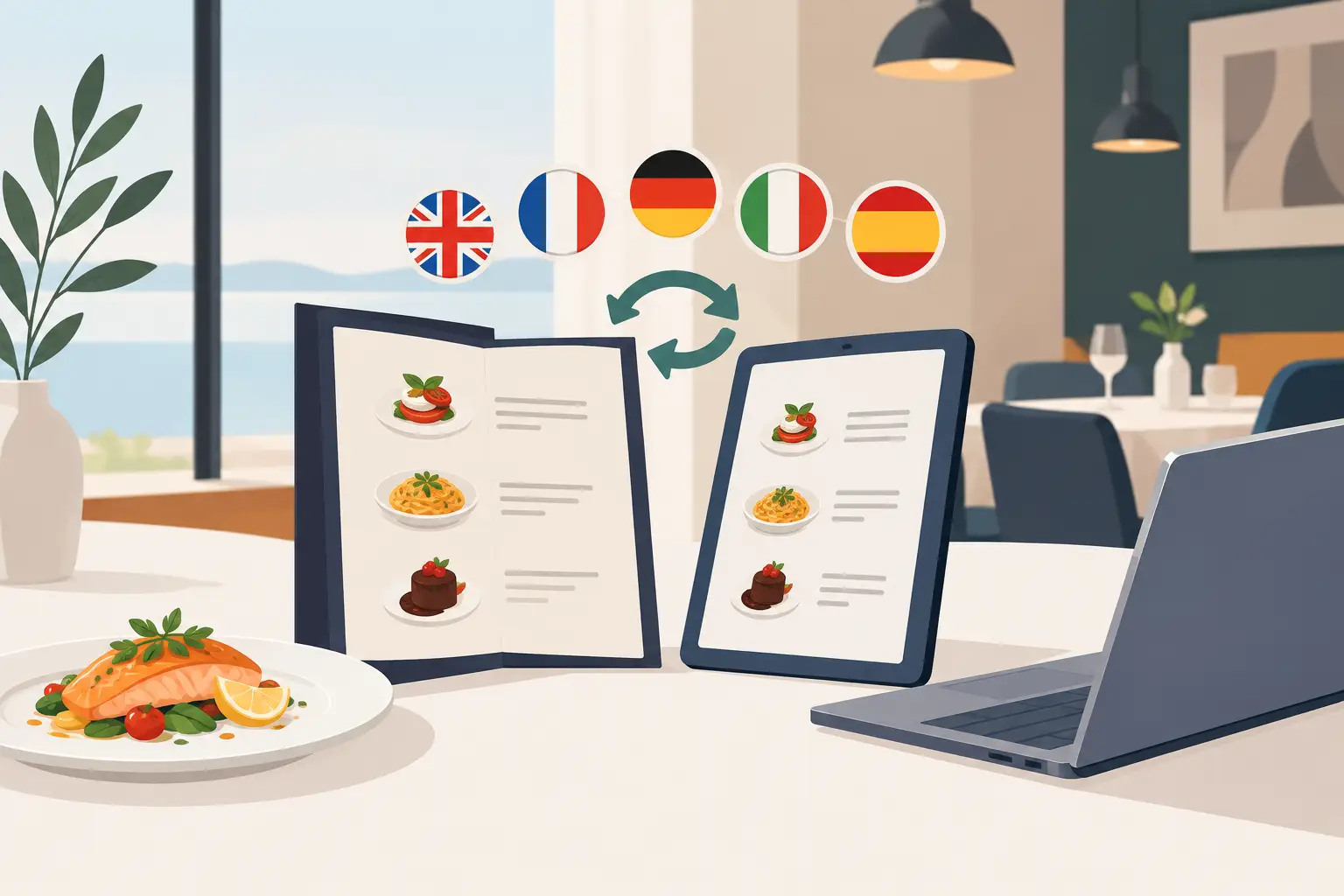
- multi-language content for international guests;
- clear grouping of food, drinks, cocktails, wines, and special offers;
- allergen display, ingredients, and special labels like vegetarian or gluten-free options;
- a view that looks good even on smaller phone screens.
These features aren't equally important to every establishment. A wine bar will value a clear wine list and accurate label descriptions more. A family restaurant might prioritize allergens and dish photos. For a hotel, it's often crucial that a guest from another country understands the breakfast, restaurant, and bar offerings without asking questions.
A digital menu is not a substitute for service
Sometimes a digital menu is mistakenly presented as a way to reduce guest contact. That's not its true value. A good menu on a phone doesn't replace a waiter's recommendation; rather, it removes unnecessary obstacles before that recommendation.
Guests can calmly browse the offerings, enlarge photos, read ingredients, and change the language. The waiter then comes better prepared to recommend wine with a dish, explain the daily special, or answer a specific question. Instead of spending time on whether the price is up-to-date or if a dish exists, staff focus on service that leaves a better impression.
This is especially useful when multiple guests at a table want to view the menu at the same time. A single printed copy often circulates from person to person. A QR menu is immediately available to everyone, and guests don't have to wait for the menu from the next table to become free.
Multiple languages without multiple menu versions
In the Balkans, especially in tourist areas, a menu often needs to speak to both local guests and international visitors. Translating into several languages in printed form quickly becomes cluttered. Pages are longer, the font is smaller, and every change requires editing all versions.
Digital restaurant software allows guests to choose the language that suits them, while the menu structure remains clear. This isn't just about better design. Clear names, descriptions, and ingredient information can reduce misunderstandings when ordering and help guests decide more confidently.
However, translations should be carefully prepared. Automatic translation can be a starting point, but local dish names, measurements, allergens, and culinary terms deserve review. A poorly translated description can confuse guests as much as a menu without translation.
How to choose a system for your establishment
The best choice starts with questions, not a list of features. How often do you change your menu? Do you have seasonal offers? How many languages do you need? Who will input changes when the manager isn't on shift? Does the system need to connect to a POS, or is a high-quality menu presentation your priority?
If you frequently change prices and availability, a simple administrative panel is crucial. If you attract tourists, multiple languages and fast display on a phone are advantageous. If you have multiple locations, you should check if each location can have its own menu, special prices, and its own QR code.
Also, check how the menu looks without additional explanation for the guest. The QR code should lead directly to the offerings, without registration, app download, or unnecessary steps. Every barrier between the guest and the menu reduces the system's benefit.
For many establishments, a focused solution like the menu4.me platform has an advantage because it solves a specific problem: a professional, mobile menu that updates quickly. Not every establishment needs a large operational package if its main challenge is an outdated and difficult-to-change menu.
Implementation without interrupting operations
Introducing a digital menu doesn't have to change the entire team's routine overnight. The most practical approach is to start with your existing menu: input categories, items, prices, descriptions, and languages, then check the display on several different phones. Pay special attention to items that change frequently and information that guests most often ask for.
Place QR codes where guests naturally expect them – on the table, bill, entrance, or in a hotel room. However, don't remove every alternative immediately. Some guests will still want staff assistance or a printed menu, especially in establishments with an older clientele. The best solution depends on the type of establishment and guest habits.
Staff should know how to open the menu, change the language, and explain to guests where allergens or daily specials are located. A few clear rules are enough, but they must be part of the shift, not a document no one opens.
The menu as an active sales tool
When the menu is easy to change, it stops being a static list of items. It can follow the season, ingredient availability, and events at the establishment. Daily lunch specials, a new coffee, cocktail of the week, or chef's special can be visible immediately, without waiting for new printing.
It's important not to overdo it, however. Too many banners, messages, and labels can obscure why the guest opened the menu – a clear offer and price. A good digital presentation guides the guest through the selection, it doesn't distract them from it.
Next time you change one price or run out of a popular dish, observe how many steps it takes for that information to reach the guest. That's where the value of a system that matches the real pace of hospitality becomes clearest: less administration for the team and more certainty for the guest who wants to order without doubt.