Restaurant Price Management Without Downtime
It's Saturday, the patio is full, and the morning delivery of fish, coffee, or soft drinks arrived at a new price. If the price list is printed, price management becomes a problem to be solved between orders, phone calls, and uncomfortable explanations to guests. If the menu is digital, the change can be made before the next round of orders.
For a hospitality establishment, price is not just a number next to a dish or drink. It affects margins, service speed, guest trust, and the venue's ability to react to real costs. Therefore, the price list should not be viewed as a document that changes occasionally, but as an active part of daily operations.
Why Price Management Requires Rapid Reaction
Prices of groceries, energy, and delivery do not change on a predetermined schedule. Seasonality, local events, product availability, and changes in purchase prices can overnight alter the calculation for a particular dish. A restaurant waiting for the next menu print often chooses between two bad solutions: selling with too low a margin for a while, or manually explaining to guests that the printed price is no longer valid.
Both situations leave a bad impression. Guests don't want to find out that the price on the bill isn't the same as the price they saw on the menu. Waitstaff shouldn't have to remember temporary changes for dozens of items, especially during peak hours. Managers, on the other hand, shouldn't delay price adjustments just because reprinting and distributing menus are complicated.
A digital menu changes the dynamic. When content is in one place, price, description, photo, availability, and promotion tags can be updated without collecting old menus from tables. This isn't just about saving on printing. It's about controlling the information guests see at the moment they make a decision.
Price Management Starts with Real Margins
It's not enough to monitor competitor prices or round off an amount that seems acceptable. A good price must cover the cost of ingredients, labor, energy, spoilage, taxes, and desired profit. Precision is especially important for items whose purchase prices often fluctuate, such as fish, meat, olive oil, coffee, and imported drinks.
For every major item, it's useful to have an updated calculation. If a pasta dish uses ingredients whose total purchase value has increased, the menu price might not need to jump drastically right away. Sometimes a better option is to adjust the portion size, replace a seasonal addition, or change the menu structure. But that decision must be conscious, not a consequence of an outdated price list.
The same applies to popular items. High sales don't necessarily mean high profit. A frequently ordered drink with too low a margin can burden the results more than an item sold less often. When you regularly review the relationship between sales, cost, and profit, it's easier to decide what to correct, what to promote, and what to remove from the offering.
Don't Change All Prices Simultaneously
Guests notice sudden changes, especially for well-known products like espresso, local coffee, beer, or breakfast. Therefore, adjustments should be carefully distributed. If it's necessary to raise the price of certain input items, there might be room to simultaneously highlight package deals, daily specials, or a product with a better margin.
There's no universal formula. A venue in central Belgrade, a seasonal restaurant on the coast, and a hotel bar have different costs, guest habits, and expectations. It's important that the price matches your concept and the quality you deliver, rather than mechanically following someone else's price list.
Digital Menu Reduces Operational Risk
With a printed menu, every price change carries a hidden cost. This isn't just design and printing, but also the time needed to check if all copies have been replaced, if staff know the changes, and if an old version was left on a table or in a hotel apartment.
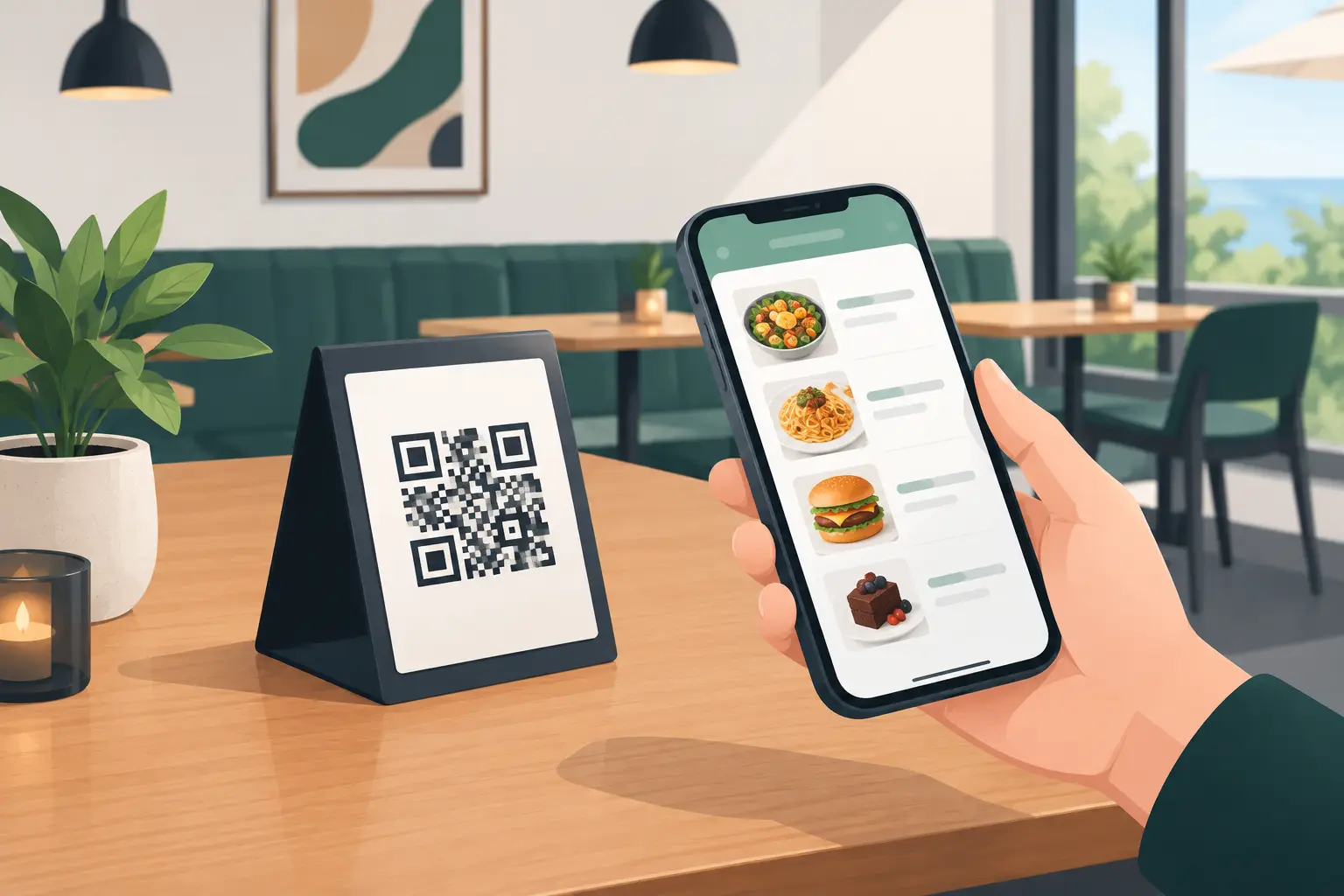
A digital menu removes that chain. A manager can change an item as soon as confirmed information about procurement or a promotion decision is received. Guests then access the same, current menu via a QR code. For establishments with multiple zones, seasonal terraces, or a large number of tables, this means less room for error and fewer operational interruptions.
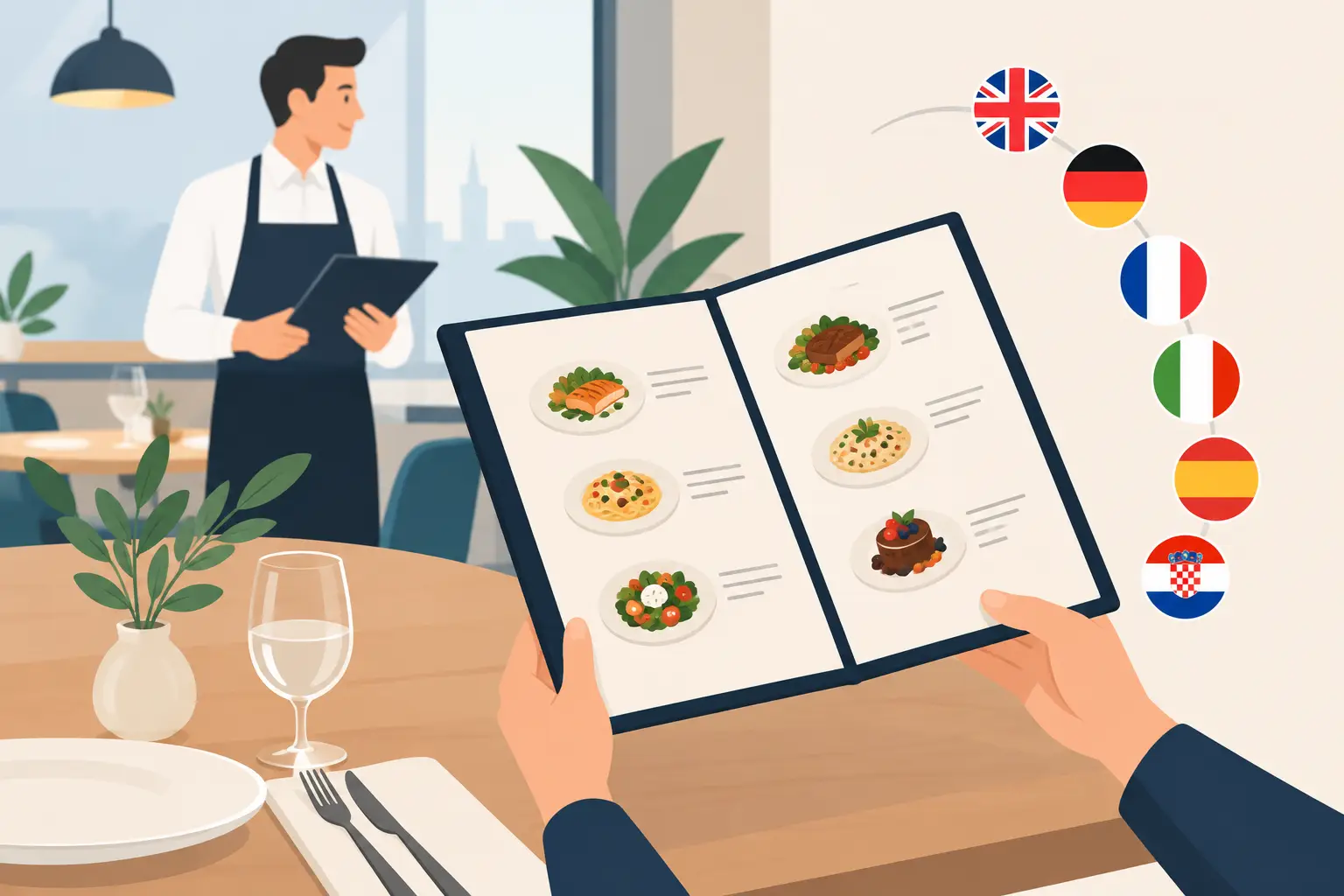
menu4.me was designed precisely for such daily hospitality operations: so that a restaurant, bar, or hotel can quickly update prices, availability, and menu content without waiting for a new print. It's especially practical when the establishment serves tourists and uses a multilingual menu, as the same change can be consistently displayed to all guests.
Prices Must Be Clear on the Phone
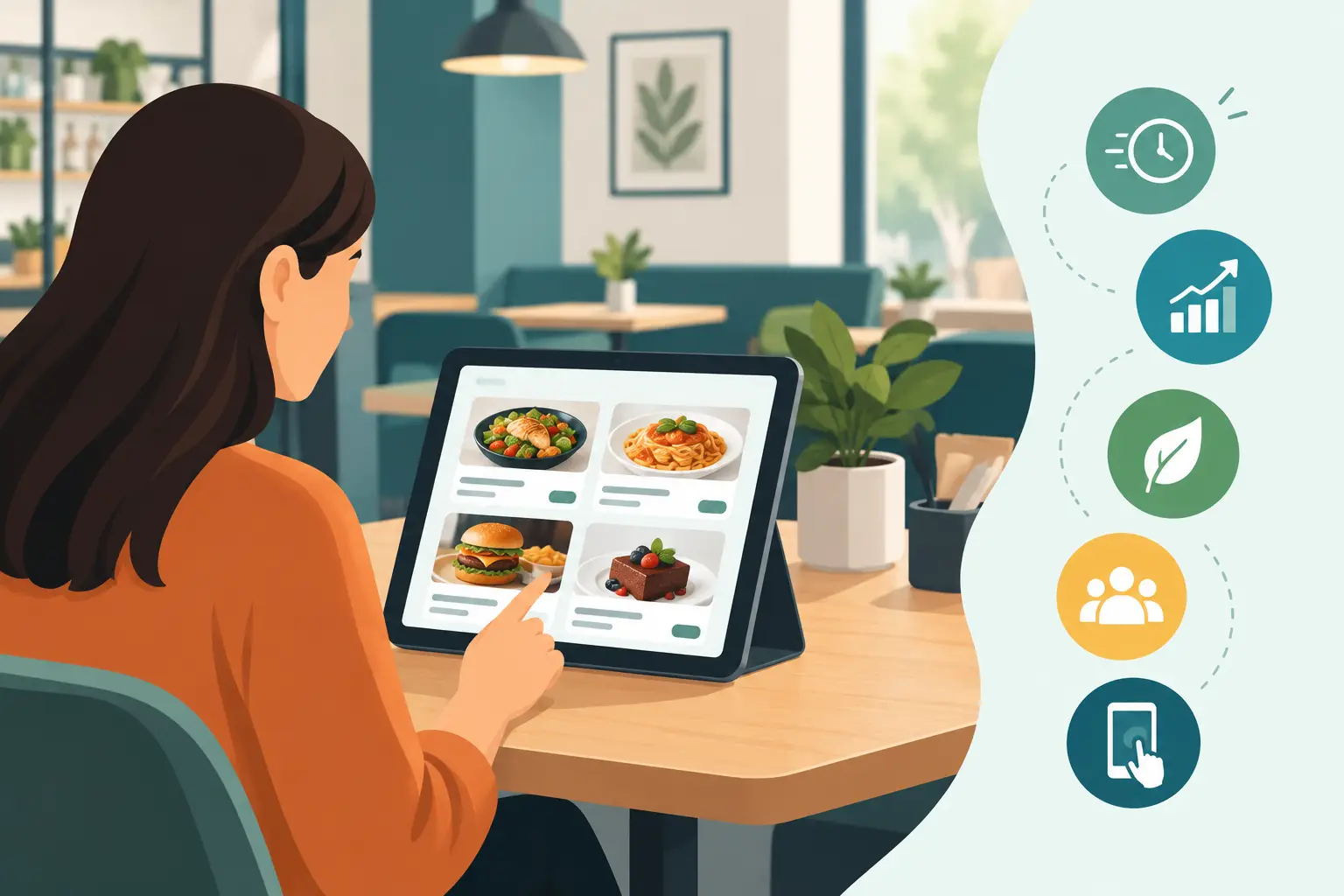
The speed of change is worthless if guests cannot easily understand the offer. On a phone screen, the price should appear next to the product, without hidden surcharges or unclear labels. If a side dish, portion size, or addition has a separate price, it must be visible before ordering.
Clarity protects both guests and staff. There are fewer questions like "Is this price for a glass or a bottle?" or "Is the side dish included?". When the menu is well-organized, waitstaff have more time for recommendations and service, and less for correcting misunderstandings.
For foreign guests, pay attention to currency, translation, and format. The dish name can remain authentic, but the description should explain key ingredients. The price must be consistent across all language versions. There's no point in having an excellent translation if an old price remains on one menu version.
When to Change Price, When to Change Offer
Not every cost change is a reason for a new price. If a certain ingredient is temporarily expensive or unavailable, a seasonal substitute might be a better solution. Instead of keeping a dish that no longer brings the expected profit, offer a variation with more available ingredients and clearly present it to the guest.
Also, not every business decision has to be a price increase. Sometimes the goal is to increase traffic during quieter parts of the day. A breakfast package, business lunch, happy hour, or food and drink combination can raise the average bill, while guests still feel they're getting good value. A digital menu allows you to set and remove such offers when it suits you, without creating excess printed material.
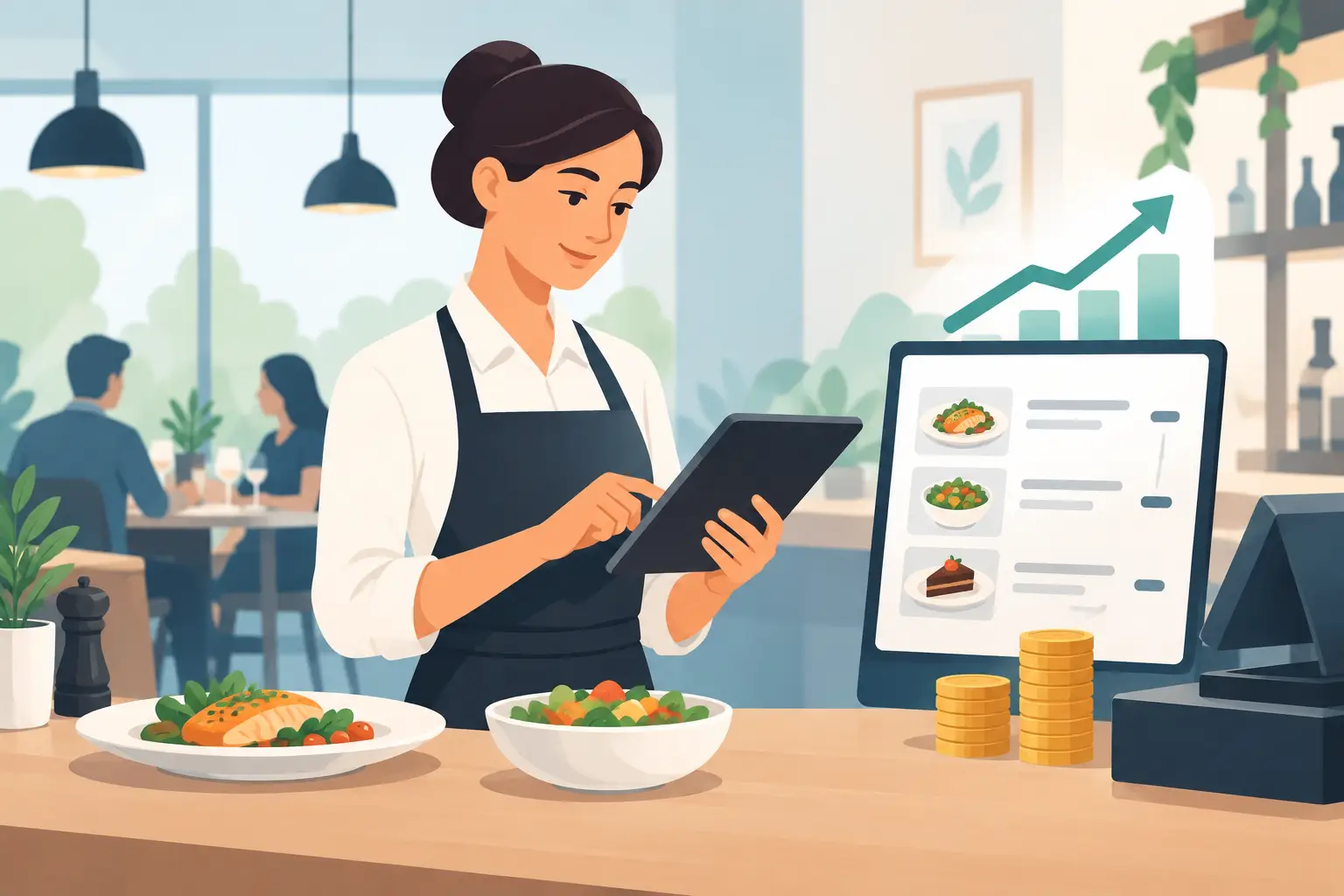
Good practice is to regularly monitor four things: the purchase price of key ingredients, sales per item, average bill, and guest comments. Only when these data are viewed together does the price gain its true context. An item with a lower margin can make sense if it attracts guests and encourages additional spending. Conversely, an item with an excellent margin is useless if no one notices it on the menu.
Implement a Simple Control Rhythm
The best system isn't necessarily the most complex. It's enough to review high-turnover items and those with the most sensitive purchase prices once a week. Once a month, review the entire menu structure: what's selling, what's not, where margins have weakened, and if an opportunity for a new seasonal offer has emerged.
Also, determine who has the authority to change prices. In a small café, it might be the owner or shift manager. In a hotel or multi-sector restaurant, the decision might require confirmation from procurement and finance. It's important to have a clear process so that prices aren't changed informally, then remain inconsistent between the POS system, menu, and staff.
Before publishing a change, check the item name, price, currency, translations, and availability status. This quick check prevents a situation where the price is correct, but the product is incorrectly described or displayed in the wrong category.
Guests don't need to know how many decisions go into a single menu price. They just need to see an accurate, clear, and reliable offer. When you provide that, the price list stops being an operational obstacle and becomes a tool that keeps pace with your venue.