Digital Menu Benefits for Restaurants and Cafes
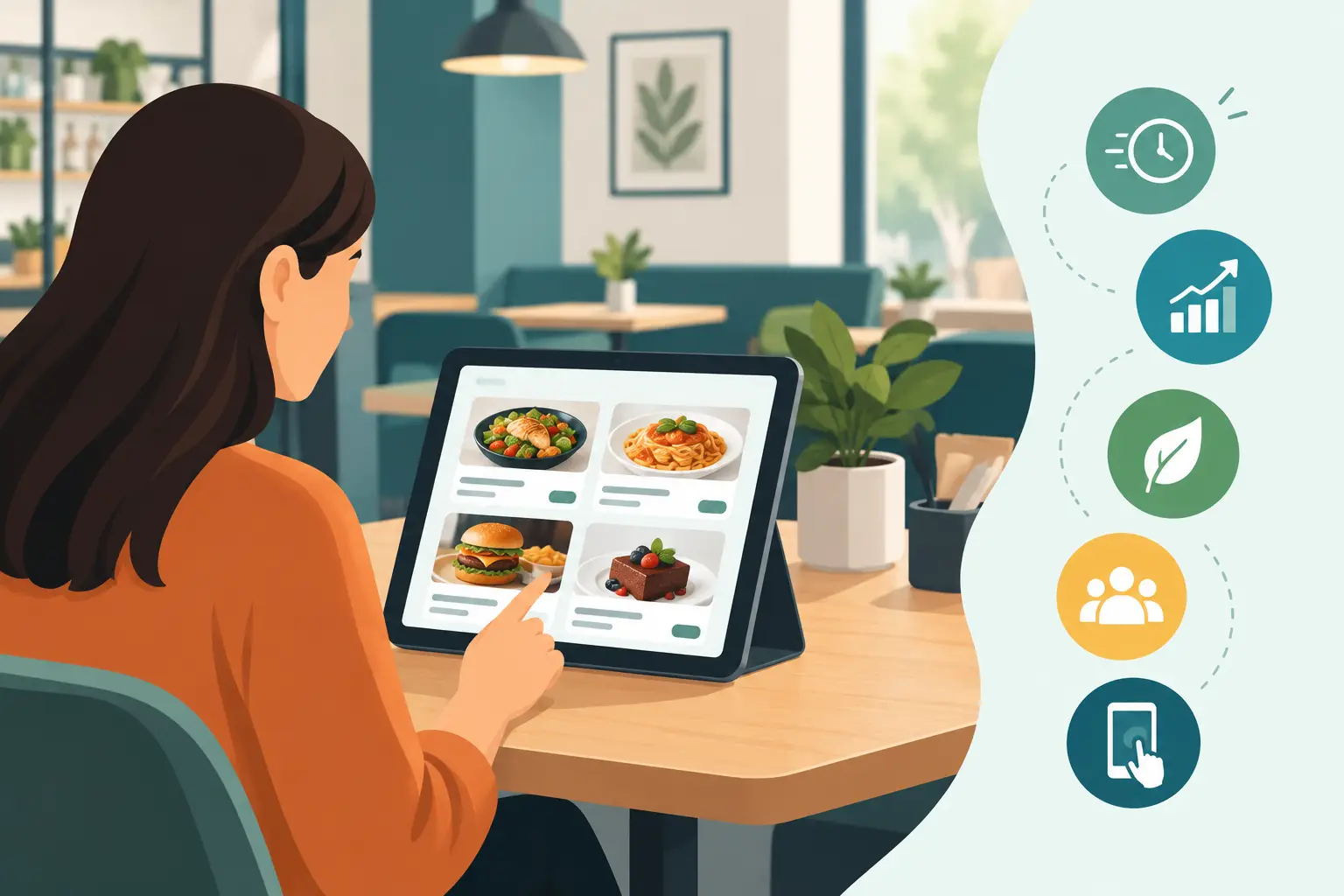
A guest sitting down at a table doesn't want to wait for a menu, nor does the staff want to explain why a price on the printed card is no longer valid. The five benefits of a digital menu are evident in precisely such everyday situations: the offer is immediately available, information is up-to-date, and the team has less administrative work.
For restaurants, cafes, bars, and hotels, a digital menu isn't just a QR code on the table. It's a practical channel through which guests receive a clear offer on their phone, while the establishment retains control over prices, item availability, and how the offer is presented. It's especially useful where the menu changes frequently – on terraces, in seasonal venues, hotels, and places with daily specials.
Five Benefits of a Digital Menu in Daily Operations
1. Change Prices and Offers Without Re-printing
A printed menu is accurate only until something changes. A new purchase price, a particular drink running out, a change in grammage, or a new daily special often means preparing a new file, a trip to the printer, and additional costs. If a change occurs in the middle of the weekend or during a busy shift, printed materials cannot keep up with the pace of business.
With a digital menu, the price, description, or availability of an item can be changed as soon as needed. If salmon isn't available that day, it can be removed from the offer. If a new cocktail has arrived or a promotional price has been introduced for breakfast, the information is published without waiting for a new batch of menus.
This flexibility is especially important for seasonal establishments. The offer in May is often not the same as in August, and a menu on the beach or in a hotel restaurant must keep pace with procurement and guest numbers. Instead of printing several menu versions, the team maintains one up-to-date digital version.
2. Lower Costs and Less Material Waste
Printing costs aren't just the price of paper. They include design, corrections, lamination, replacing damaged copies, and the constant need to replenish menus. In an establishment with multiple tables or zones, a single price change can require replacing a large number of cards.
A digital menu reduces the need for these recurring costs. This doesn't mean every establishment must completely eliminate printed materials. Some hotels and restaurants want a few physical copies for guests who don't have a phone handy or find a printed menu simpler. However, the main menu can be digital, with printing used only as a supplement.
Such an approach also has a practical side: fewer crumpled, stained, and outdated menus on tables. For the establishment, this means a tidier appearance, and for the staff, less time spent finding and replacing physical cards.
3. Clearer Offer for Guests on Their Phone
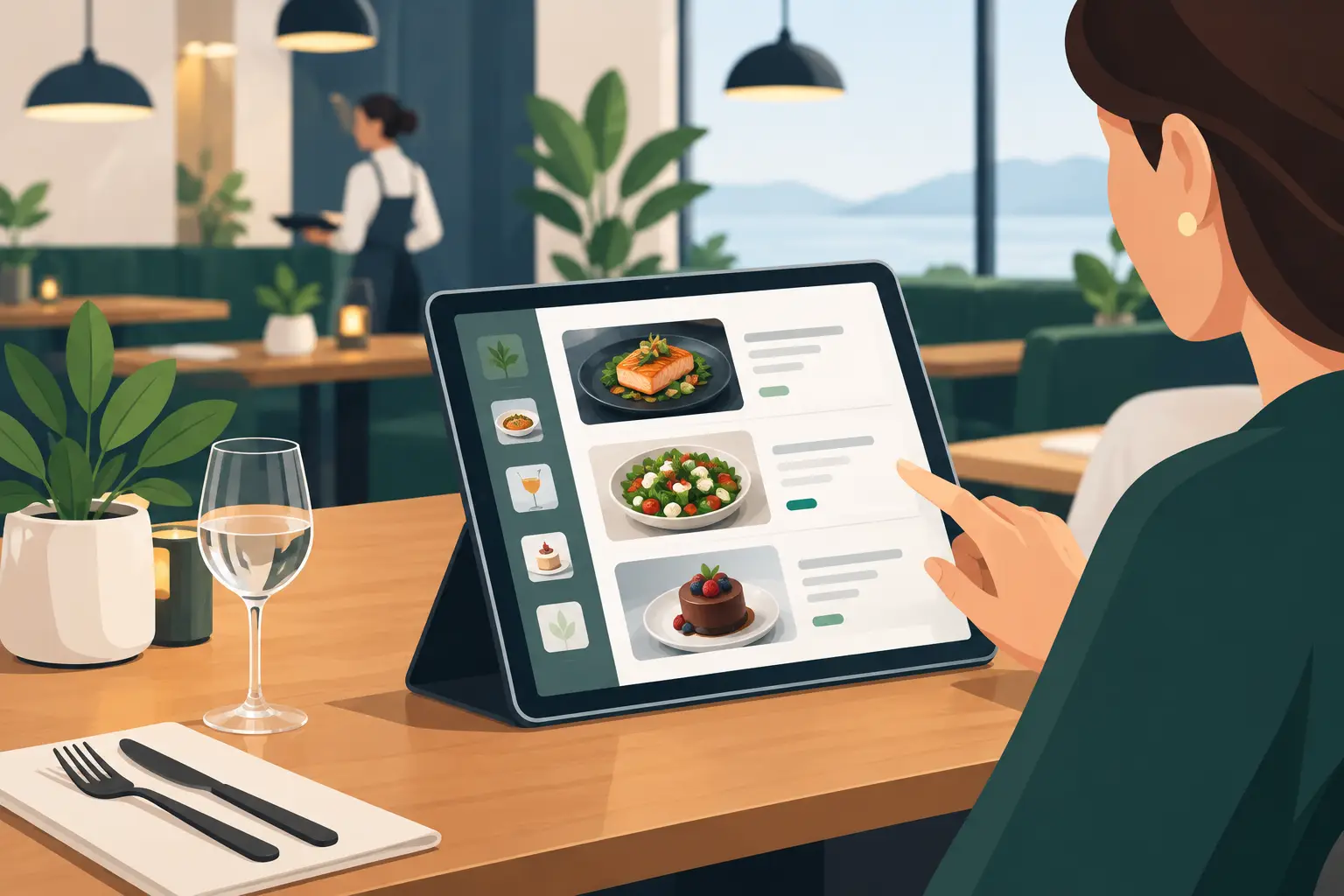
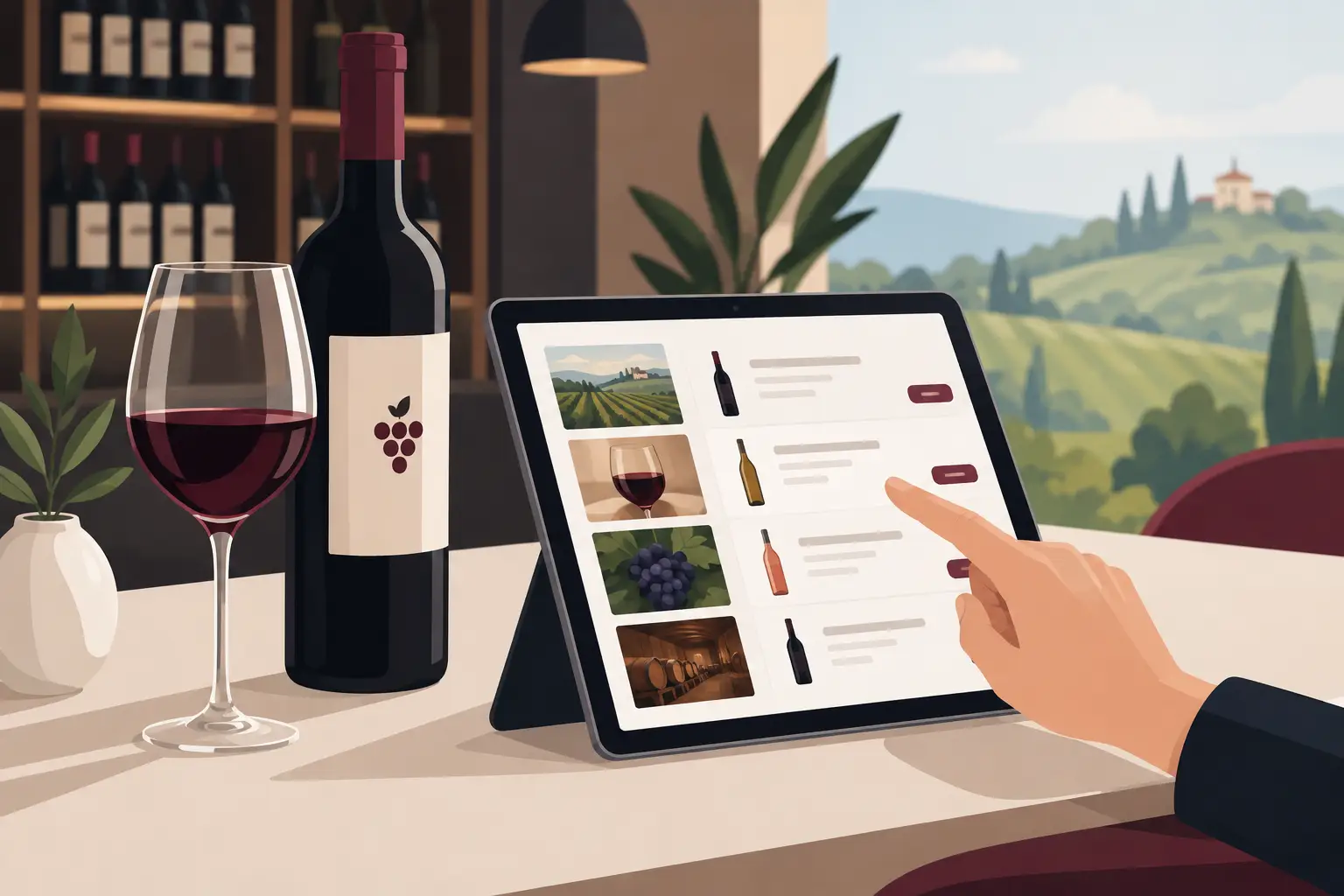
Guests often decide what to order before the waiter approaches the table. If the menu is well-organized, with clear categories, descriptions, and prices, the decision comes faster. A digital format allows the offer to be structured so that breakfast, non-alcoholic drinks, wines, desserts, or house specialties can be easily found.
A good digital menu should not look like a long document that is hard to read on a screen. It should be optimized for mobile phones: short category names, legible prices, meaningful descriptions, and photos where they truly help. One high-quality photo of a dish can encourage an order, but too many large photos can slow down browsing and hide the most important thing – the offer and the price.
Information that guests usually have to ask for is particularly valuable. This can include ingredients, spiciness of a dish, vegetarian options, allergens, drink volume, or a note that a certain product is served only during a specific period of the day. Clear information reduces indecisiveness at the table and facilitates communication with staff.
4. Multiple Languages Without a Complicated Menu
Tourist establishments know how difficult it is to maintain multilingual printed menus. Translations must be accurate, prices consistent in each version, and every change must be repeated in all languages. When seasonal dishes and daily recommendations are added, administration quickly becomes arduous.
A digital menu makes it easier to present the offer to local and international guests. Guests can choose the language they prefer, and the establishment retains a consistent structure and control over the content. This is useful for hotels, restaurants on tourist routes, beach bars, and also for urban venues that host business guests and international visitors.
However, translation should not be treated as an automatic process without review. Dish names, local ingredients, and preparation methods require a natural and understandable description. A poorly translated item can confuse a guest more than if no translation existed. Therefore, it's best to start with the most important languages for a specific establishment and maintain consistent content.
5. Faster Service and Better Staff Preparation
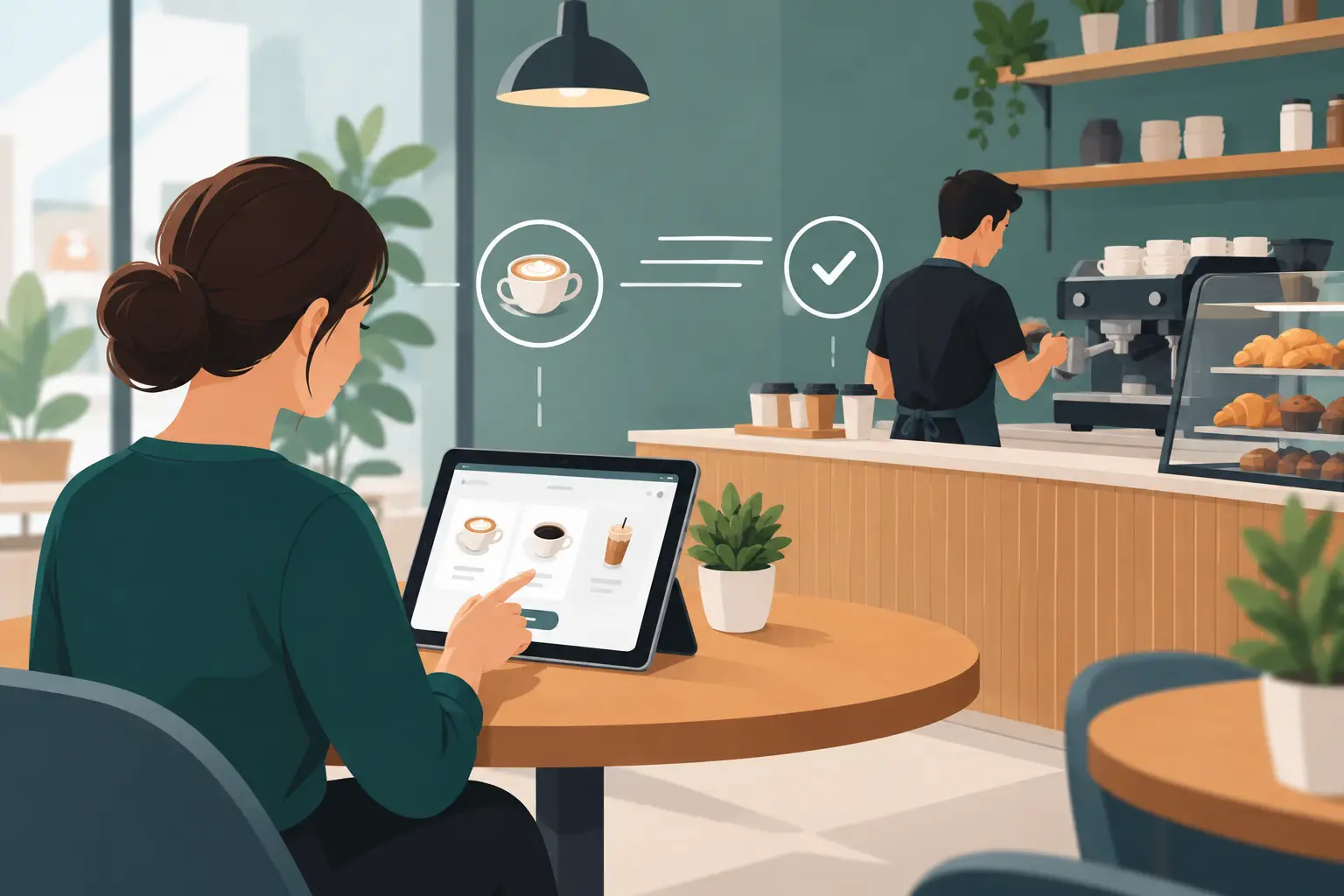
When guests already have the menu on their phone, the waiter can focus on recommendations, questions, and taking orders, instead of bringing and collecting physical menus. This is most visible during peak hours: morning rush at a cafe, lunch in a restaurant, a concert evening at a bar, or check-in periods at a hotel.
A digital menu does not replace good service. On the contrary, it provides the most benefits when staff know the offerings and use the menu to support conversations with guests. The waiter can recommend a new dish, and the guest simultaneously sees the ingredients, price, and side dish options. The result is fewer misunderstandings and more confident orders.
For a manager, it's also important that all guests see the same, current version of the offer. There's no situation where one table gets an old menu, another a new one, and staff have to explain the difference. A platform like menu4.me allows an establishment to maintain this order without a complicated technical process.
When a Digital Menu Delivers the Best Results
The best results don't come just from placing a QR code on the table. The code should be visible, clean, and placed where the guest naturally notices it. Above all, it should lead directly to the menu, without unnecessary steps, logins, or apps that guests need to install.
It's also worth considering a backup option. A weak signal, a dead phone, or a guest who doesn't use a smartphone shouldn't ruin the experience. A few printed copies on hand solve this problem without returning to high printing costs for the entire dining area.
Content should be regularly checked. Prices, availability, photos, descriptions, and translations must match the actual offer. A digital menu is an advantage only if it is more reliable than paper. A good practice is for one person per shift or the manager to be responsible for checking changes before operations begin.
For an establishment that wants to appear organized and react faster to changes, a digital menu is a small change with a very concrete effect. Start with the offer you change most frequently, present it clearly, and check it from the guest's perspective – on their phone, at the table, at the moment they want to order.