QR Menu vs. Paper: What's More Profitable?
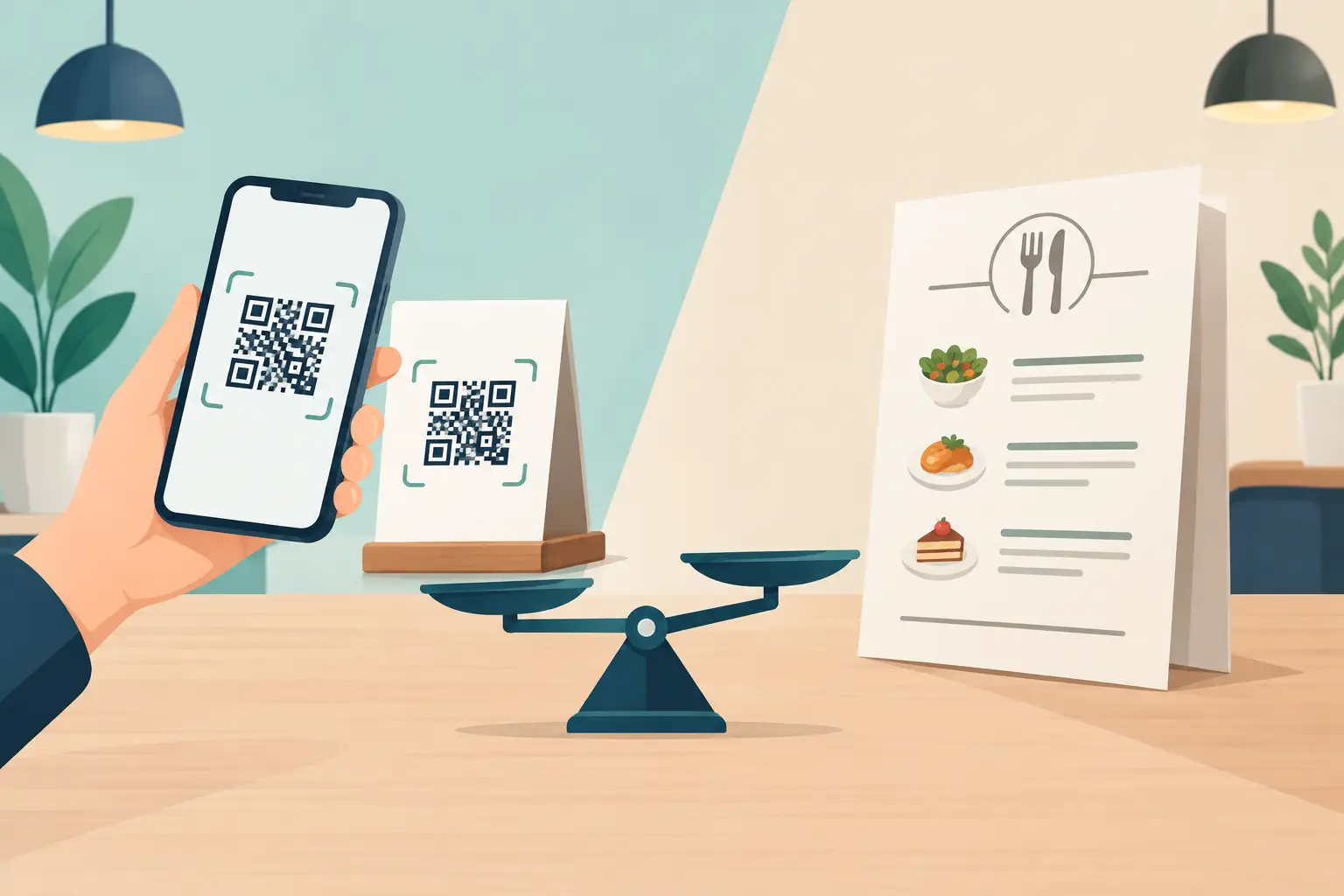
It's Saturday night, the patio is packed, and your supplier just confirmed a new coffee price. With a printed menu, that change usually becomes a problem for tomorrow, the next print run, or next season. With a digital solution, a QR menu vs. paper isn't about trends, it's about how quickly your venue can react to real business conditions.
For restaurants, cafes, bars, and hotels, especially in tourist areas, the menu is an operational tool. It needs to be accurate, readable, accessible to foreign guests, and ready for changes that aren't planned weeks in advance. That's why the choice between a QR menu and paper should be viewed through the lens of cost, team effort, and guest experience – not just the initial price.
QR Menu vs. Paper: The Main Difference is Control
A printed menu has one obvious advantage: guests receive it immediately, without a phone, internet, or scanning a code. It's a familiar format and, for some audiences, still the most natural way to browse an offer. A good paper menu can contribute to the venue's impression, especially when professionally designed and integrated into the restaurant's identity.
However, paper is static. As soon as a price changes, an ingredient runs out, a daily special is introduced, or a dish description is corrected, the printed menu no longer reflects the true situation. Then staff have to verbally explain changes, stick new prices over old ones, or use temporary inserts that rarely look professional.
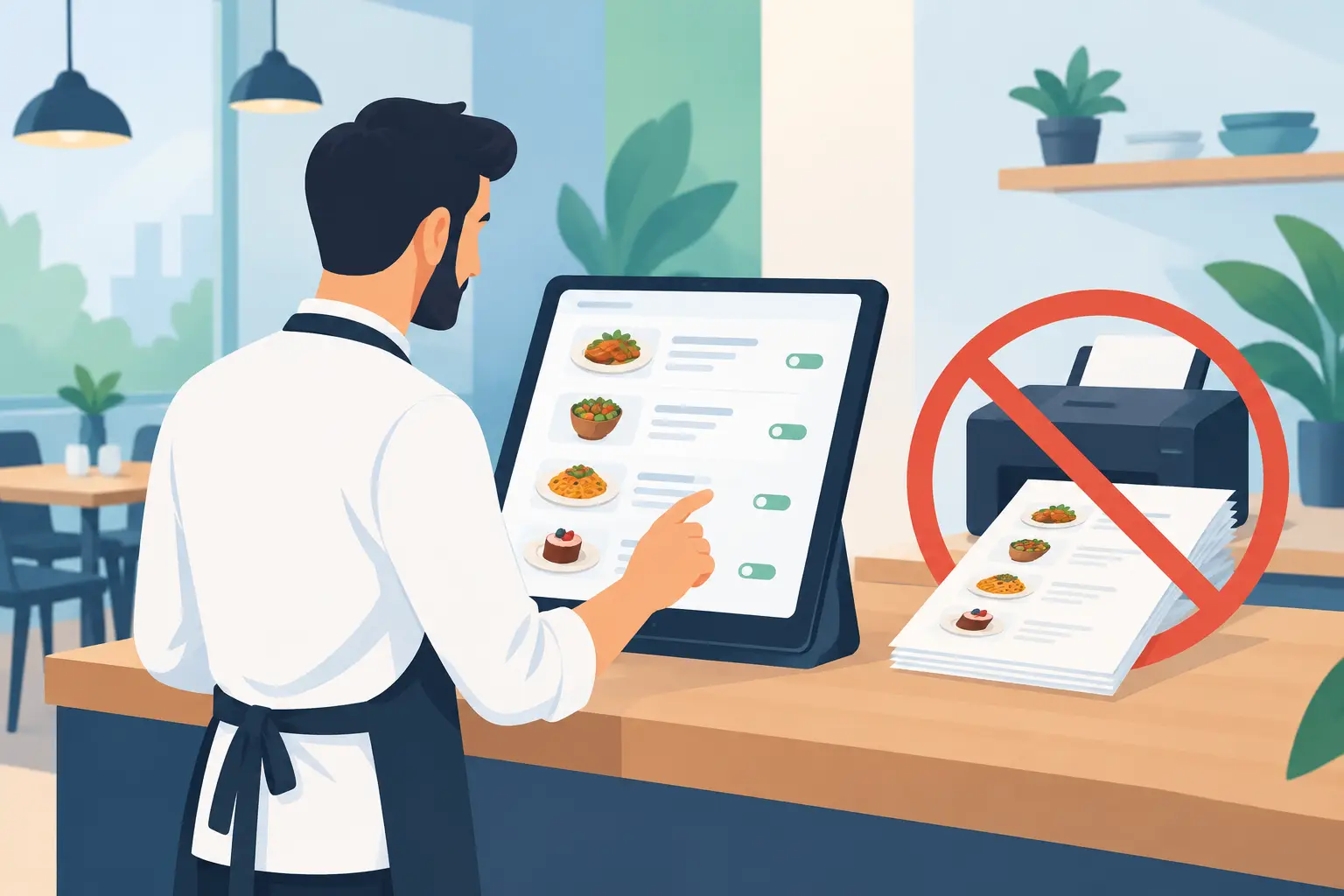
A QR menu works differently. Guests scan a code and open the current version of the offer on their phone. The owner or manager can change a price, hide a product that's currently unavailable, or add a seasonal cocktail without waiting for the print shop. This control is especially useful for venues that change their offer frequently, operate seasonally, or serve guests in multiple languages.
Cost Isn't Just the Price of Printing
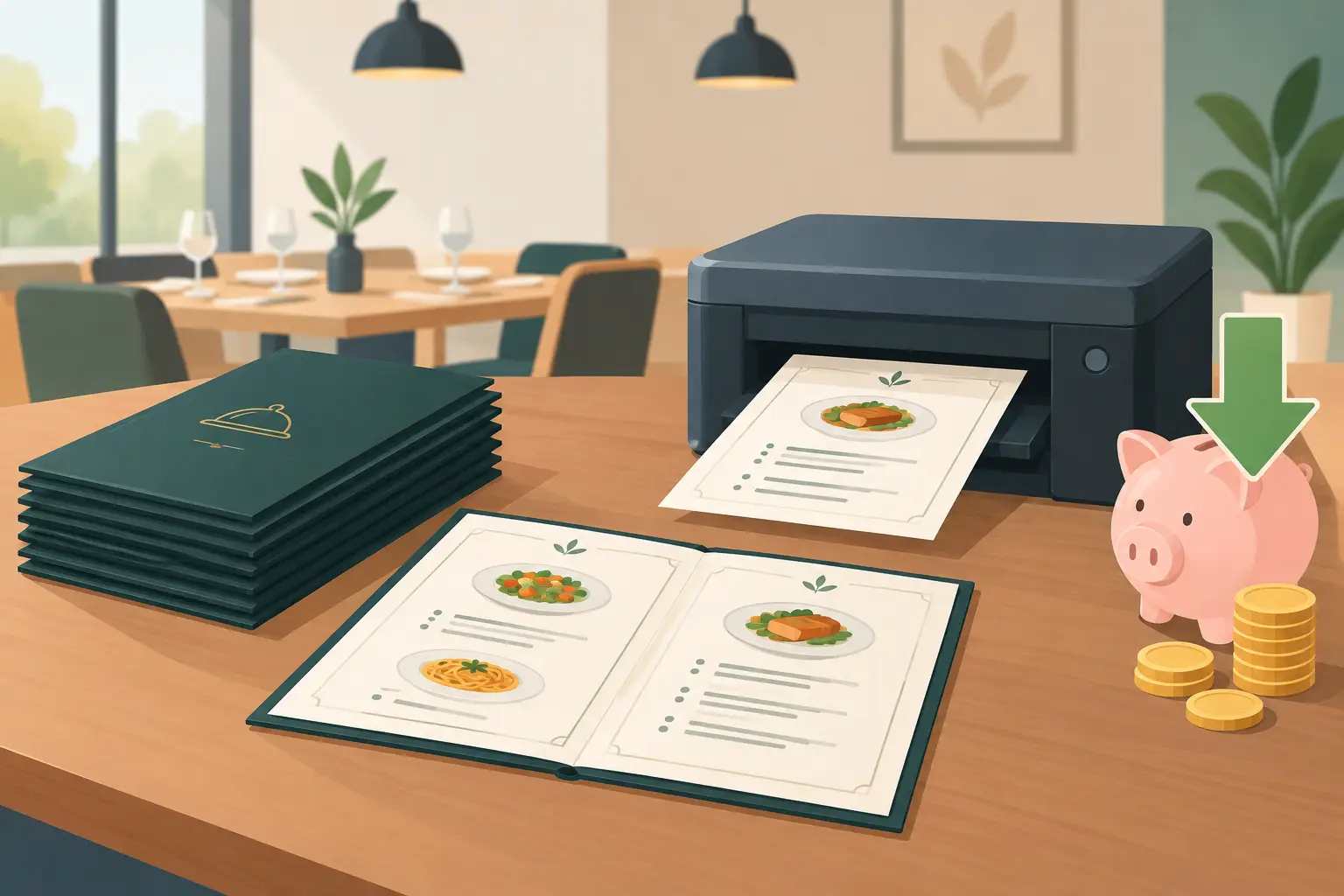
At first glance, a printed menu seems like a simpler and cheaper solution. The cost is immediately visible: design, printing, lamination, or covers. The problem arises when this process is repeated. If a venue changes prices several times a year, introduces new items, or adapts its offer seasonally, each change incurs a new cost and additional organization.
There's also the hidden cost of inaccurate information. A guest orders wine that's no longer available, and the waiter has to offer a substitute. The price on the menu isn't the same as the price at the till, creating an awkward situation. A dish contains an ingredient that has been replaced, but the description hasn't been updated. None of these situations are major on their own, but daily they turn into a worse impression and slower service.
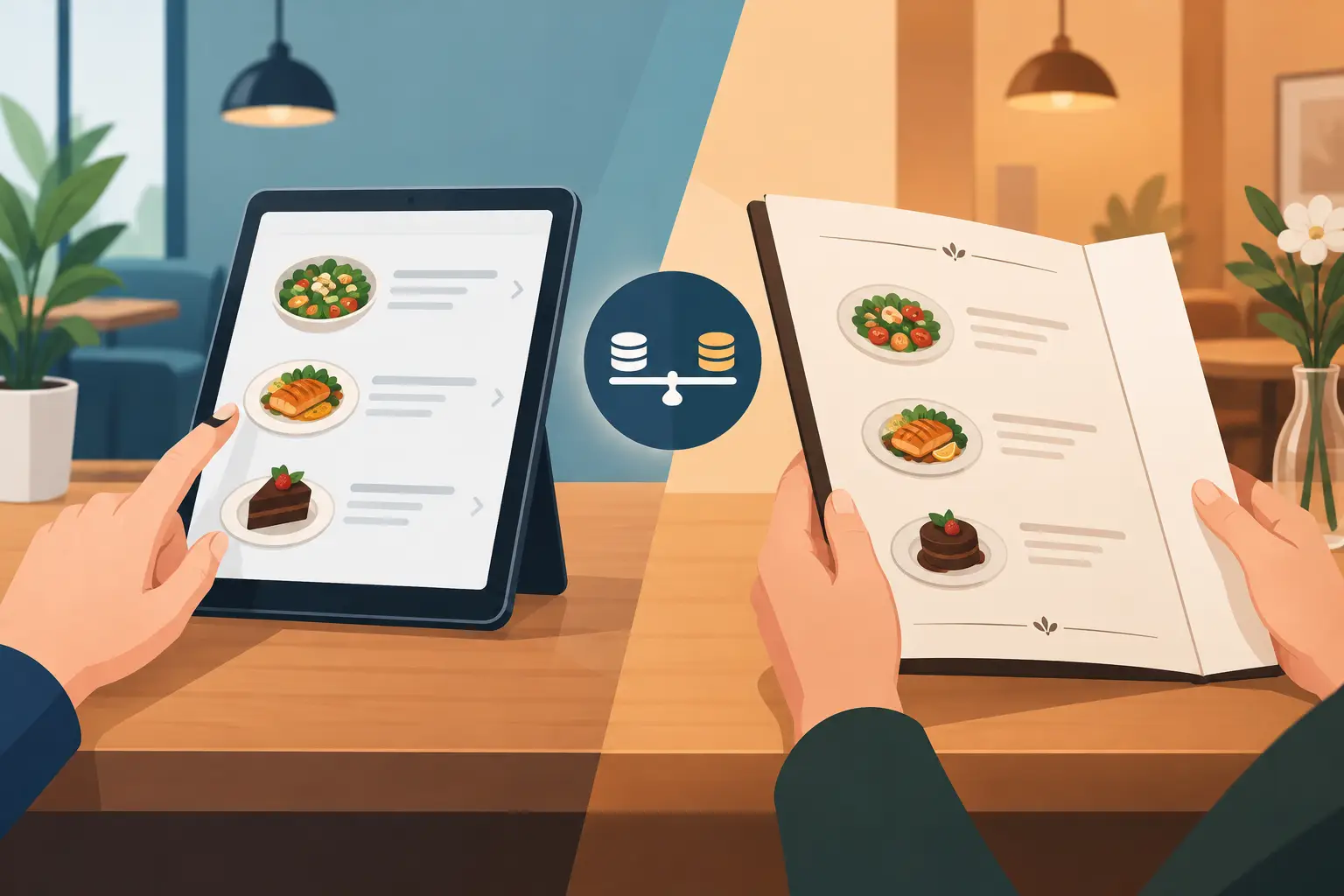
A digital menu has a subscription or setup cost but reduces the need for reprinting. It's important, however, not to view it as an automatic saving for every venue. A small cafe with a short, stable offer and rare changes might use one high-quality printed menu for a long time. A restaurant with many items, fluctuating supplies, and a multilingual audience will feel the benefits of digital updates much faster.
Update Speed Changes Daily Operations
In hospitality, decisions are often made during a shift. The fish didn't arrive, a certain beer is sold out, the kitchen wants to highlight a daily lunch special, and the patio has a cocktail promotion until 6 PM. With a paper menu, staff have to remember changes and repeat them at every table.
This burdens waiters precisely when it's busy. Instead of recommending a dish, checking guest satisfaction, or speeding up an order, they are correcting information that the menu didn't display. A digital menu allows a change to be entered in one place and immediately shown to every subsequent guest.
This advantage isn't just administrative. When the menu is accurate, staff communicate the offer with more confidence. There are fewer misunderstandings, fewer trips back to the table, and fewer moments where a guest finds out their desired item is actually unavailable.
More Languages Without Four Versions at the Table
Hotels, city-center restaurants, and venues in tourist spots often have local and foreign guests at the same tables. A paper menu in multiple languages quickly becomes bulky. If a separate version is printed for each language, the cost increases, as does the risk of one version remaining outdated.
With a QR menu, guests can select their preferred language. This isn't a substitute for good service, but it removes a fundamental barrier: guests can independently understand dish names, descriptions, prices, and drink offerings. For the venue, this means a tidier table, less printed material, and a more consistent presentation.
Guest Experience: A Phone Isn't Always an Advantage
A digital menu should make choosing easier, not create a new obstacle. If it loads slowly, the text is tiny, photos cover important information, or guests have to click through multiple unnecessary screens, the QR code becomes a frustration. The same applies if the code isn't visible or if the venue's Wi-Fi is weak.
Therefore, a good QR menu must be clear on a small screen. Categories should be logical, prices easily noticeable, and descriptions short and useful. Photos make sense when they aid choice but aren't needed for every item. With food, it's often more important for guests to quickly see ingredients, sides, and potential allergens than to scroll through a long gallery.
Paper, on the other hand, remains a good choice for guests who prefer not to use a phone, for an older audience, or for situations where a special, tactile impression is desired. A fine dining restaurant might want a printed menu as part of the ambiance. A hotel might keep an elegant wine list in covers, while displaying daily specials and breakfast digitally.
The most practical solution often isn't strictly either-or. A QR menu can be the main source of up-to-date information, while a few printed copies remain available upon request. This way, the venue doesn't exclude any guest, while simultaneously not depending on constant reprinting.
When Is a QR Menu Especially Profitable?
A digital approach makes the most sense when the offer changes frequently or when the venue manages a larger amount of information. This includes seasonal restaurants, beach bars, hotels, establishments with daily specials, places with extensive drink menus, and venues serving foreign guests.
It's also useful when multiple people are involved in managing the offer. A manager can update prices, the kitchen can report an unavailable item, and the marketing team can highlight a new promotion. Of course, it's necessary to define who has the right to make changes. Speed without accountability can lead to errors, so it's important to have a simple internal verification process.
Platforms like menu4.me are designed precisely for this daily need: to make the menu easily accessible to guests and simple for the team to manage. The goal isn't for technology to be noticeable. The goal is for guests to get accurate information before they ask a question, and for staff not to have to deal with the consequences of an outdated menu.
How to Make a Decision for Your Venue
Before switching to a QR menu, it's helpful to look at the rhythm of your business. How many times a year do you change prices? How often does a product disappear from your offer? Do you have a multilingual menu? How much time do staff spend explaining items that aren't up to date?
If the answers are rarely, little, and never, a paper menu might still serve your venue well. If changes happen weekly, if the season alters the offer, or if every table asks the same questions about availability and language, a digital menu becomes a practical part of your service.
You don't have to choose the format that looks most modern. Choose the one that gives guests clear information and leaves your team more time for what keeps guests coming back: a good recommendation, attentive service, and a meal without unnecessary surprises.