Evaluating QR Menu Solutions for Cafes and Bars
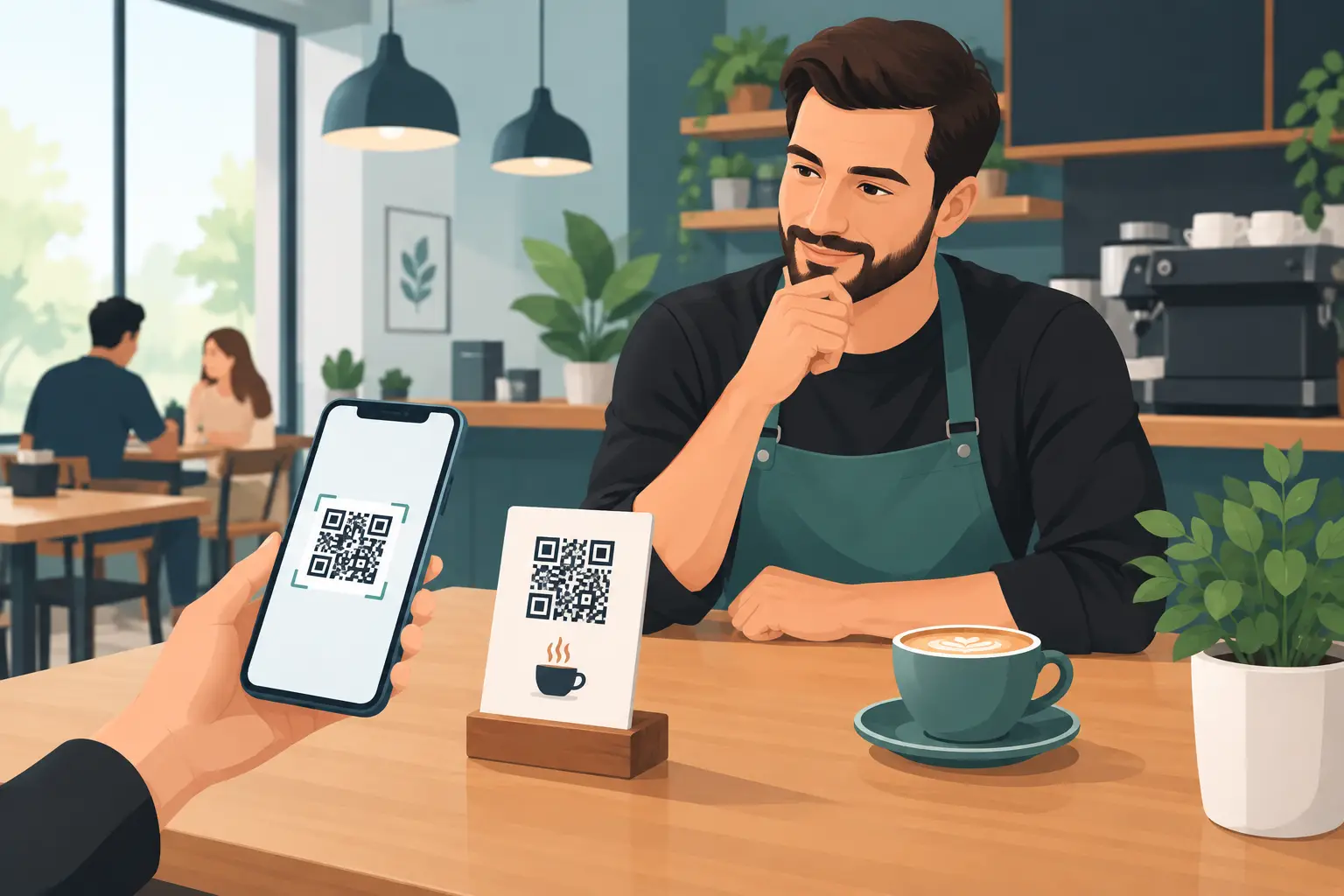
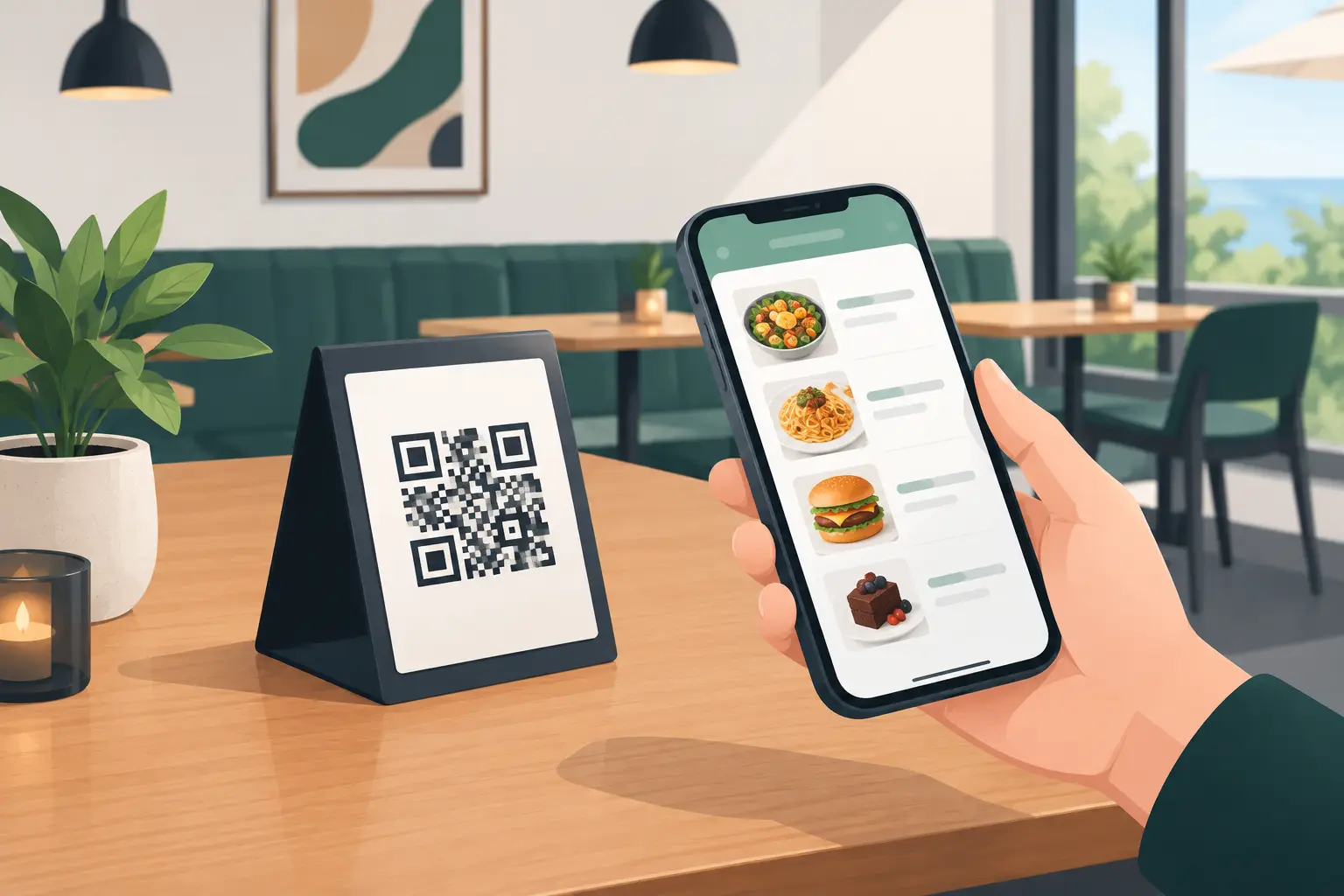
A guest sits down, scans the code, and within seconds sees the drink offerings, breakfast prices, and cocktail ingredients. This is the basic expectation. However, evaluating QR menu solutions for cafes shouldn't be based solely on whether the menu opens on a phone. For an owner, it's more important how quickly they can change a price, remove a sold-out item, or prepare a weekend offer without printing and calling a designer.
A digital menu makes sense when it speeds up daily work, not when it adds another system for staff to explain to guests. Therefore, when choosing a solution, focus on practical use during peak shifts, seasonal changes, and when the cafe hosts tourists who don't speak the local language.
What a Digital Menu Must Solve for Cafes and Bars
A cafe is not a restaurant with a shortened menu. The offerings often change throughout the day: a certain beer runs out, a new cake arrives, coffee prices are adjusted, or a promotion is introduced with morning breakfast. With printed menus, every such change easily becomes an expense, a compromise, or an unprofessionally taped-over price.
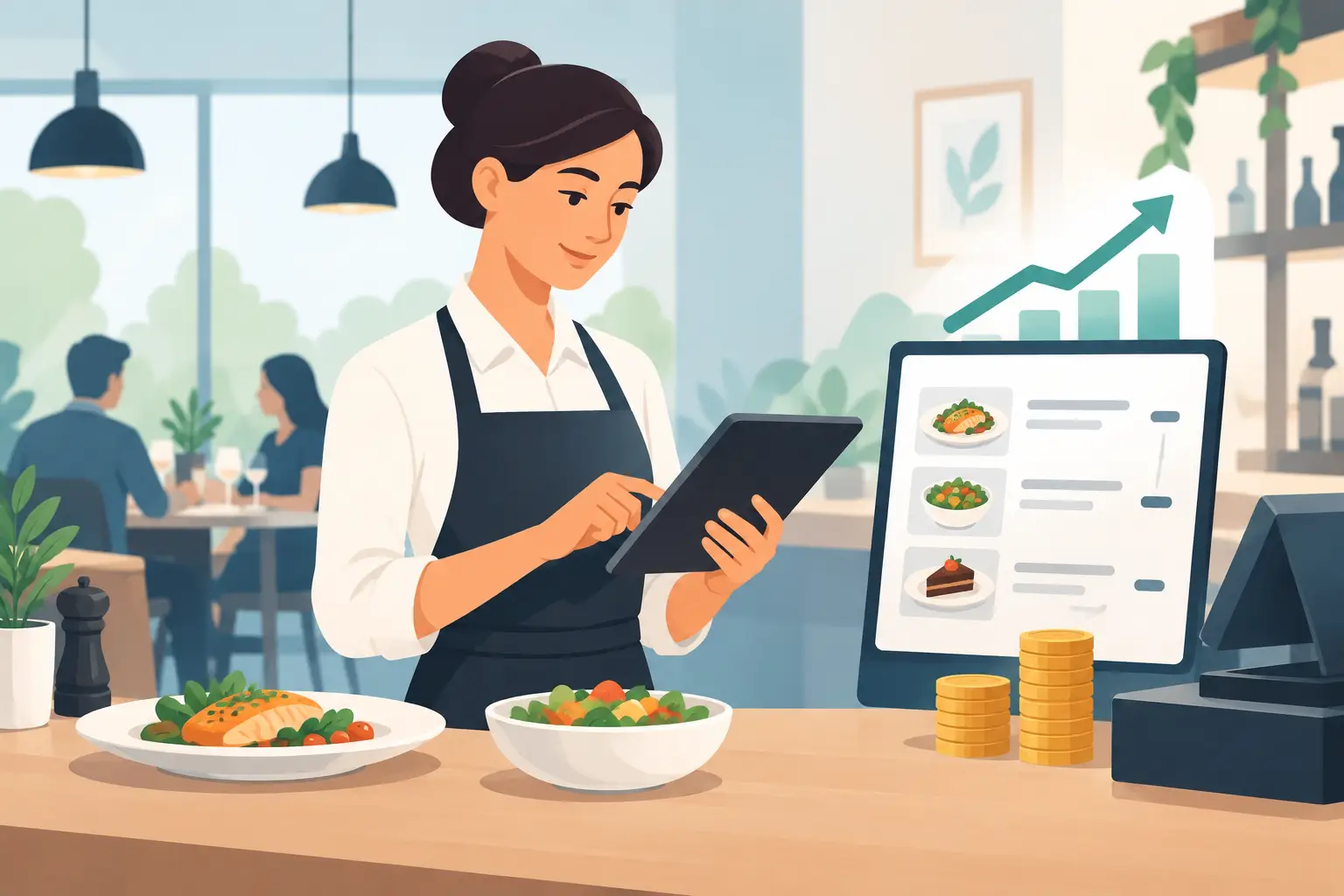
A good digital menu allows changes to be entered quickly and displayed immediately to the guest. The owner or manager shouldn't have to wait for technical support for one new item. If changing prices requires multiple steps, sending files, and waiting for approval, the solution will rarely be used as intended.
The second key is clarity. A guest who opens a cluttered page with tiny text and ten categories on their phone will not have a better experience than with a poorly printed menu. The QR code is just the entry point. The real value is a menu that loads quickly, is easy to read, and guides the guest to their choice without unnecessary obstacles.
Evaluating QR Menu Solutions for Cafes: Criteria That Matter
It's best to evaluate a solution through real situations from your venue, rather than a long list of features. Imagine the morning rush, the evening shift, and the day you change your seasonal offerings. If the system works simply then, it will likely be useful for the rest of the year.
Speed of Offer Changes
This is the primary criterion. Check if you can independently change an item's name, price, description, photo, or availability. Good administration is clear and doesn't require technical knowledge. A manager should be able to remove a sold-out lemonade before the next guest orders something that is no longer available.
Pay special attention to seasonal operations. Cafes on the coast, in tourist areas, and in busy urban locations change their offerings more frequently than average. A menu that requires new printing with every change quickly becomes a limitation, while a digital menu remains current with a few minutes of work.
Clarity on Mobile Phones
Most guests won't zoom in, search for categories, or wait for a heavy page to load. The offering should look neat on a typical phone, with logical categories such as coffee, soft drinks, beer, wine, cocktails, breakfast, and desserts.
A good layout doesn't necessarily mean many photos. Photos can help with cakes, breakfast, or special beverages, but too many large images slow down loading and distract from prices and basic information. For most cafes, a clean design with carefully chosen visual elements is better.
Languages and Information for Tourists
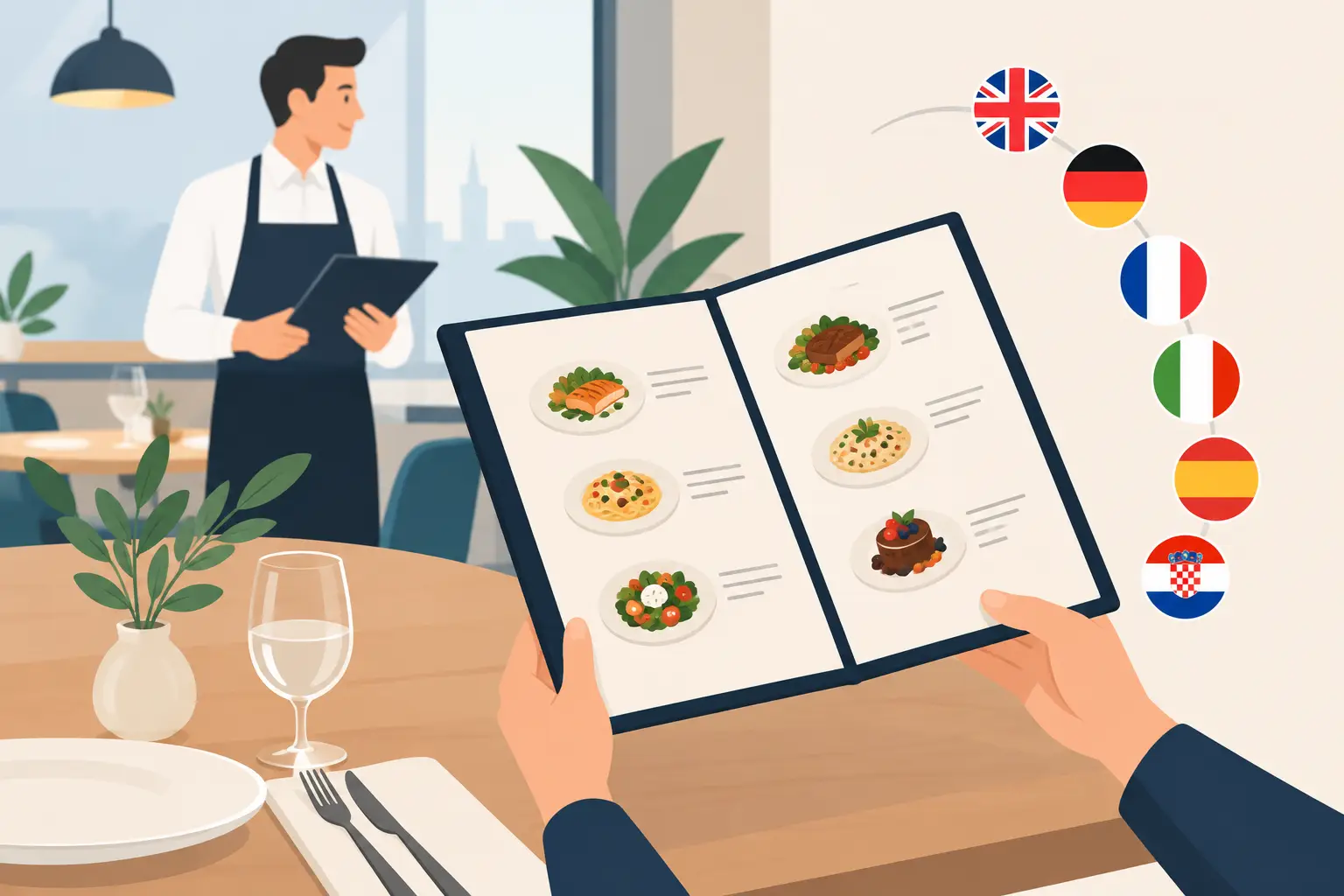
In places with foreign guests, multilingualism is not an add-on for later, but part of the service. An English version is often the minimum, while the location and guest structure determine whether other languages are needed. The translation must be clear, especially for ingredients, allergens, quantities, and names of local specialties.
Here, it's worth avoiding automatic, literal translations that can confuse guests. If someone orders a drink expecting one thing and gets another due to an unclear description, even the most beautiful QR code won't solve the problem. A digital menu should reduce questions to staff, but it must not reduce the accuracy of information.
Managing Availability and Promotions
Cafes operate daily with items that are not always available. Some ingredients run out, certain cakes arrive only on weekends, and happy hour applies only at specific times. A solution that allows quick hiding or reactivation of items prevents an unpleasant situation at the table.
The same applies to promotions. If you want to highlight iced coffee when the temperature rises or a breakfast and coffee combination on weekdays, the offer should be visible without changing the entire menu. A promotion doesn't have to be aggressive – it's enough for the guest to easily notice what's relevant that day.
Stability and Simplicity for Staff
A QR menu does not replace a waiter. It frees up staff from repeating basic information and allows more time for recommendations, service, and addressing specific guest requests. Therefore, the code should work reliably, and the menu should be accessible without mandatory registration, app installation, or providing personal data.
Physical setup also affects usage. The code should be visible on the table, bill, or table stand, printed clearly enough, and protected from wear and tear. If a guest doesn't notice it or can't scan it due to poor printing, the quality of the platform will not be apparent.
When a Digital Menu Alone Is Not Enough
A digital menu is practical, but it's not a reason to completely neglect other communication methods. Some guests, especially older ones, still prefer a classic menu. In venues where this is common, a few printed copies can be a good backup. This is not a step backward, but a sign of attention to different guest habits.
Also, a QR solution doesn't solve the problem if the offerings are not well organized. Unclear names, incorrect prices, missing descriptions, or inconsistent billing rules remain problems regardless of the menu format. Before switching to a digital menu, it's useful to organize the structure of the offerings and agree on who is responsible for updates.
How to Test a Solution Before Deciding
During the trial period, ask to perform a few specific actions: add a new product, change a price, hide a sold-out item, enable another language, and check the display on several different phones. Then ask your staff to use the menu during a real shift and listen to guest questions.
If guests quickly find what they want, and staff don't have to explain how to use the menu, the solution is on the right track. If a manager can update the offerings without waiting and additional costs, the digital menu is already providing operational value.
Platforms like menu4.me make sense precisely when they adapt to the daily life of a venue: price changes, seasonal offerings, multiple languages, and the need for the menu to look neat on every phone. Don't choose a QR solution just for the code on the table. Choose it because it gives your team greater control and guests a faster, clearer path to ordering.
A good start is small: place the code on a few tables, organize the most important categories, and observe where guests hesitate or ask additional questions. This insight will tell you much more than presentation promises – and help the digital menu become a useful part of the service, not just another detail in the venue.