QR Menu Results Restaurants Can Expect
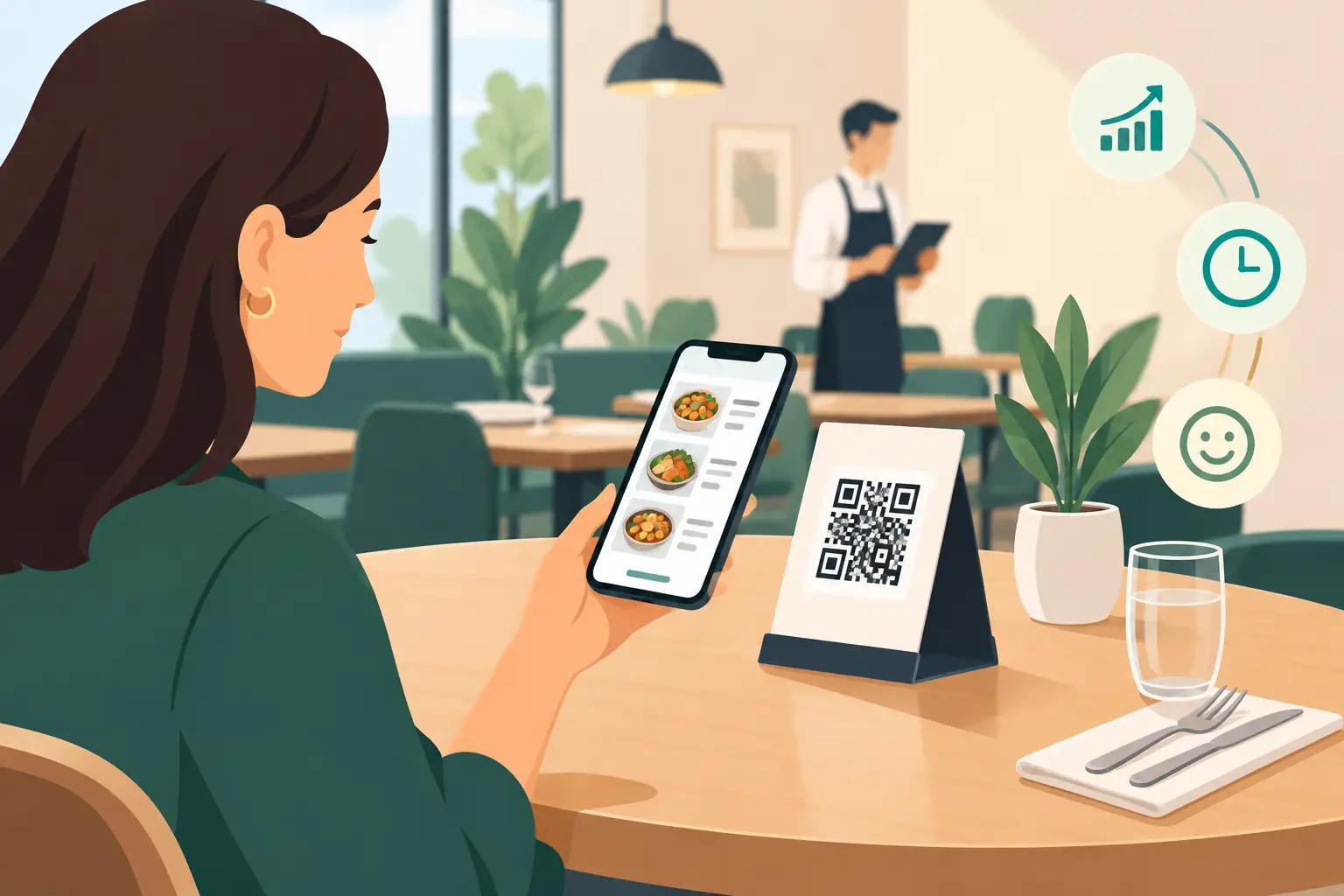
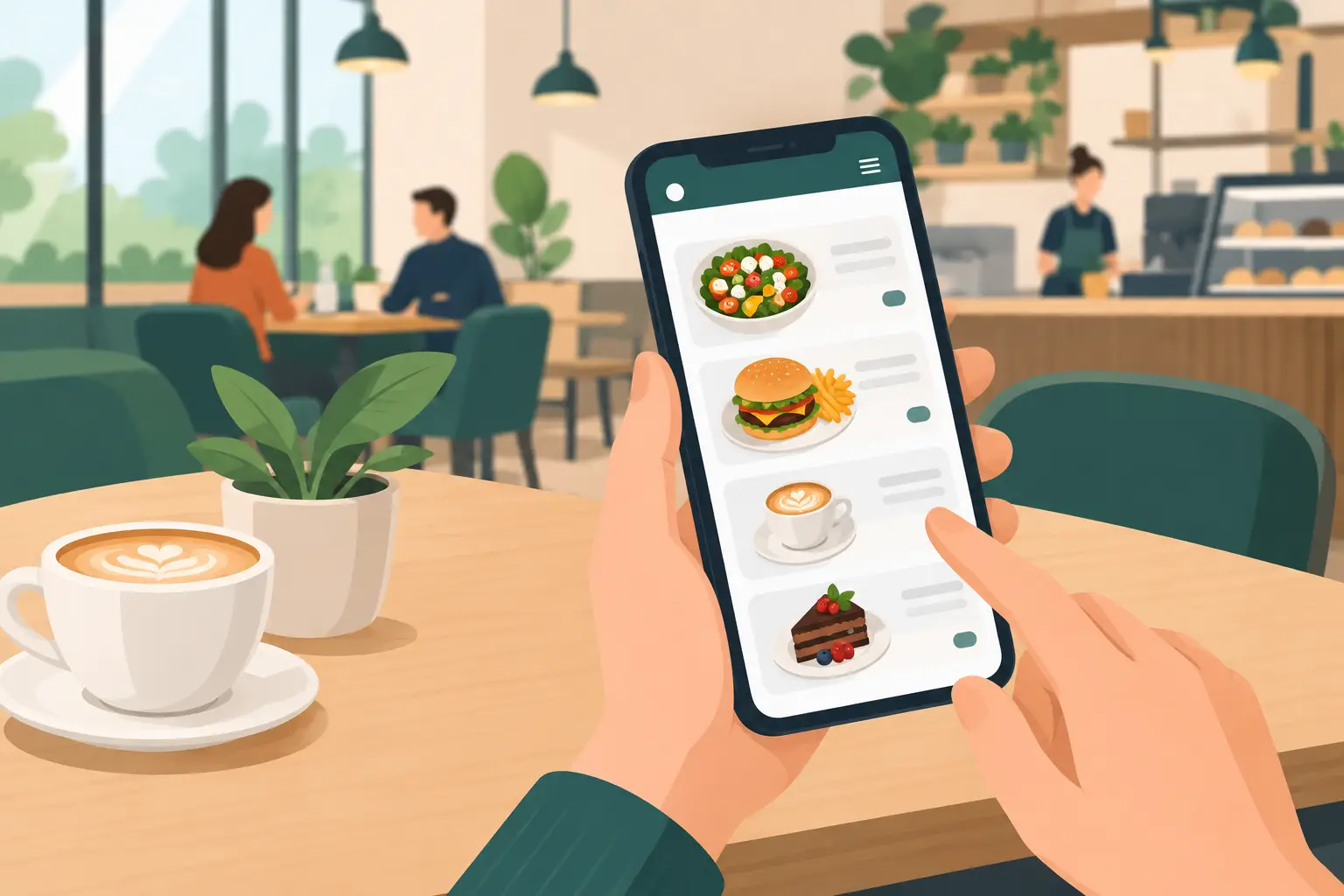
A guest sits at a table, ready to order, but the waiter is busy at the other end of the patio. If they receive the menu instantly on their phone, without waiting and without illegible pages, service starts faster. When an owner asks what results implementing a QR menu brings, they aren't just looking for a more modern appearance for their establishment. They're looking for fewer operational delays, better control over their offerings, and a guest experience that matches the pace of their restaurant, cafe, or bar.
A QR menu alone won't solve poor organization, unclear offerings, or slow staff performance. But when properly set up and regularly maintained, it becomes a practical tool for everyday situations: price changes, sold-out dishes, seasonal cocktails, menus in foreign languages, or promotions valid only on weekends.
Tangible Results Restaurants See from QR Menu Implementation
The first result is the speed of changes. With a printed menu, even the smallest alteration often means checking files, new preparation, printing, and replacing existing copies. During peak season, when procurement prices change frequently or certain ingredients are unavailable, this process creates unnecessary costs and the risk of guests receiving outdated information.
With a digital menu, changes are entered in one place. A new price, an updated description, daily specials, or an indication that an item is temporarily unavailable can be visible as soon as the team publishes them. This is especially useful for coastal establishments, hotels, and high-traffic venues where offerings change faster than a print shop can keep up.
The second result is reduced printing costs. It's not just about one large print run at the start of the season. Costs often accumulate through additions, price corrections, replacement of damaged menus, and different versions for breakfast, lunch, drinks, or special promotions. A digital menu doesn't eliminate the need for careful content editing, but it removes the constant reliance on paper for every minor change.
The third result is clearer communication with guests. A good digital menu displays categories clearly, with sufficiently large text, prices that are immediately visible, and descriptions that aid selection. For dishes, it's useful to list key ingredients, and for drinks, volume, type, or service. This means guests have less to guess, and staff receive fewer repetitive questions.
More Control Over What Guests Actually See
The greatest operational value of a QR menu isn't the code on the table, but the content control behind it. The owner or manager decides which categories come first, which items to highlight, and what no longer needs to be offered. When the kitchen runs out of a particular dish, it can be temporarily hidden instead of the waiter having to repeat that information at every table.
This control is also useful when a venue wants to steer sales. A cocktail with a better margin, a dessert that pairs well with lunch, or a wine recommendation for a specific dish can be given a more prominent place on the menu. It's important that this remains discreet and helpful. Guests don't want an advertising billboard, but an easy choice.
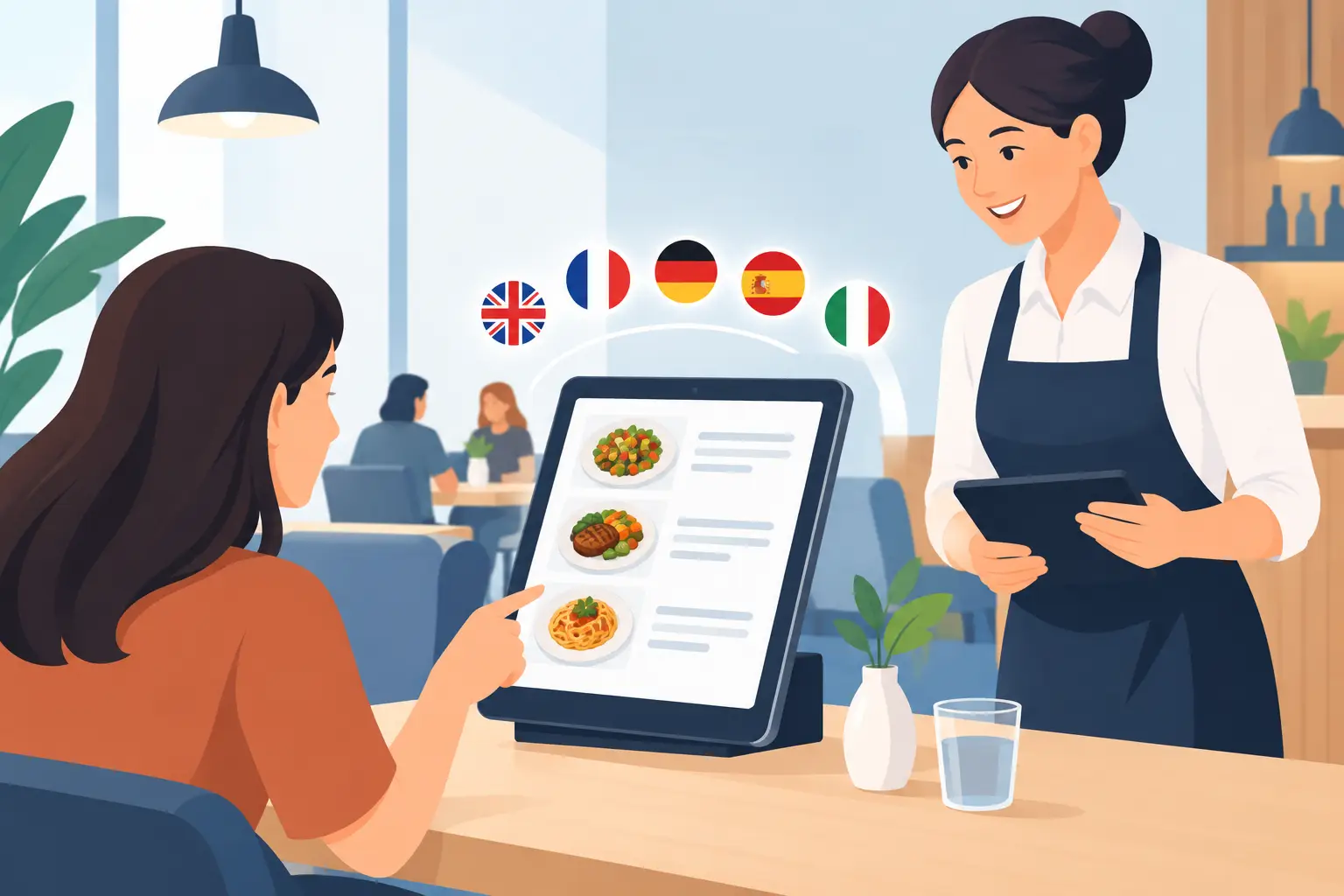
For restaurants with multiple languages, the result is also seen in consistency. Instead of separate printed versions that can easily diverge in prices and descriptions, content can be maintained from a single system. Local guests receive the menu in Serbian, while foreign guests can choose a language they understand. This reduces misunderstandings about ingredients, sides, and prices.
How to Measure Results After Implementing a QR Menu
For the decision to make business sense, results should be observed through a few simple indicators. Not every establishment needs complex analytics. It's enough to compare the situation before and a few weeks after implementation.
Pay attention to the following:
- how many times a month you change prices, availability, or item descriptions;
- how much money and time is spent on printing and replacing menus;
- whether staff receive fewer questions about ingredients, prices, and daily specials;
- whether highlighted items, add-ons, or specials sell more frequently;
- whether guests more easily find the menu in their preferred language.
Not every indicator will yield the same result. A cafe with a short menu might most feel the time savings when changing prices. A restaurant with a larger menu can gain the most through better clarity and fewer communication errors. For a hotel, multilingualism is often crucial, while a beach bar might benefit most from rapidly changing seasonal offerings.
Results Depend on Setup, Not Just Technology
A poorly placed QR code can spoil the impression of even the best digital menu. If the code is too small, stuck in a place guests don't notice, or leads to a page that loads slowly, the initial advantage disappears. The code should be visible on the table, bill, bar, or other natural place where the guest makes a decision.
The menu page must work well on a mobile phone. Most guests won't enlarge text, open several unnecessary screens, or wait for large photos to load. Categories should be clear, names consistent, and prices next to each item. Photos can help, especially for specific dishes and cocktails, but only if they represent the actual offering and don't slow down the display.
Then there's the staff aspect. A QR menu should not be presented as a replacement for the waiter, but as support for better service. The waiter still recommends wine, explains dishes, takes orders, and handles special requests. The difference is that the guest already has basic information in front of them, so conversations can be more qualitative and shorter when it's busy.
When a Printed Menu Still Makes Sense
A digital menu doesn't have to be the only option in every establishment. A restaurant with an older clientele, a fine dining concept, or a hotel with specific standards might keep a smaller number of printed menus. This isn't a step backward, but rather thoughtful service for different types of guests.
The most practical approach is often a combination. The QR menu is the primary channel for quick changes, daily specials, and multiple languages, while a few neat printed copies remain available upon request. This way, the venue maintains flexibility without excluding guests who prefer not to use their phone at the table.
Also, a digital menu must have clear ownership responsibility. If no one checks the content, it's easy for the menu to contain unavailable drinks, old prices, or translations that sound unnatural. Designate a person to check the offerings at the start of a shift or after any major change. This takes a few minutes and protects the venue's reputation.
From First Scan to Better Impression of the Venue
Guests today expect to receive information instantly, but they don't want complications. That's why a successful QR menu doesn't try to be an app with ten functions. Its task is simple: for the guest to quickly see what you offer, understand the offering, and make a decision more easily.
A platform like menu4.me makes sense precisely when it fulfills that task – the venue gets a menu it can change itself, and the guest gets a clear, phone-friendly page. For establishments with seasonal changes, tourists, and multilingual offerings, this simplicity directly impacts daily operations.
The best time for implementation isn't when you no longer have any valid printed menus. Start when you have time to organize names, descriptions, categories, and translations. When the digital menu accurately represents what the kitchen and bar can deliver, every scanned code becomes small but concrete proof that the establishment operates more efficiently.