Multilingual Digital Menus Improve Restaurant Service
A guest at the table shouldn't have to guess whether "teleći medaljon" is meat, a side dish, or a cooking method. When the menu isn't in a language they understand, the server receives more questions, ordering takes longer, and the risk of misunderstandings increases. Multilingual menus are not just translated content – they are a concrete tool for faster service, more confident purchasing, and a more professional impression of your establishment.
For restaurants, cafes, bars, and hotels in Serbia and across the region, this is especially true during the tourist season, business events, and high-traffic weekends. A guest who quickly understands the offerings makes choices more easily, orders additional items more often, and accepts staff recommendations with greater trust.
Why Multilingual Menus Are Crucial for Business
International guests don't just judge the taste of the food. They remember how easy it was to order, whether they knew what they were getting, and if the price was clear. A menu in their language removes the first small problem from that experience.
In practice, a good translation reduces the number of basic questions like "What is this?", "Does it contain pork?", or "Is it spicy?". This doesn't mean the server becomes less important. On the contrary, staff gain more time for helpful recommendations – to suggest wine pairings, desserts, additions to the main course, or house specialties.
A clear menu can also impact the average bill value. If a guest understands the description of a cocktail, the ingredients of a pasta dish, or the difference between two types of fish, they are less likely to order only the most familiar and safest option. A well-presented offering facilitates the sale of premium dishes, local ingredients, and items with better margins.
It is particularly beneficial when an establishment serves guests from diverse backgrounds. English is the most common initial choice, but it's not always sufficient. In locations with many guests from Germany, Italy, France, Russia, or neighboring countries, an additional language can have direct commercial benefits. The right choice doesn't depend on which languages seem "global," but on the demographics of your actual guests.
Menu Translation Is Not Mere Word Transcription
The most common mistake is a literal translation of dish names. Local terms often lack a precise equivalent, and automatic translation can sound strange or misrepresent the product. "Karađorđeva šnicla," "gibanica," or "urnebes" should not become unrecognizable phrases just because each word is translated individually.
A better approach is to retain the original name when it carries local identity, and add a short, clear description below. The guest then knows what they are ordering but also gets an authentic name they can remember. For example, a local specialty might have a Serbian name, with an explanation of the type of meat, preparation method, side dishes, and key ingredients.
The description should answer questions a guest has before ordering: what is the main ingredient, how is the dish prepared, is the portion for one or two people, and is there anything important regarding dietary needs? If the dish is very spicy, contains nuts, or is vegetarian, this should be stated simply and visibly.
Too many marketing adjectives don't help here. Phrases like "best," "fantastic," or "irresistible" take up space without providing useful information. A more precise description looks more professional: type of meat, sauce, side dish, grammage when relevant, and basic allergens.
Menu Localization Makes a Difference
A good multilingual menu is not only linguistically accurate but also adapted to the guest. Measurements, labels, and formulations must be understandable to someone unfamiliar with local customs. If you use abbreviations, internal names, or local terms, add an explanation where necessary.
The same applies to categories. "Topla predjela" (hot appetizers) is not always an intuitive category for an international guest if the translation isn't natural. Section names should be clear and consistent throughout the menu. Do not change the style between pages or use different translations for the same ingredient.
Which Languages to Offer
There is no universal combination that suits every establishment. A restaurant in downtown Belgrade, a hotel in Kopaonik, and a beach bar on the coast do not have the same audience. Therefore, decisions should be based on reservation data, conversations with staff, and the origin of the guests you already serve.
Serbian and English are a practical foundation for many establishments. Then assess whether an additional language is worthwhile due to the season, organized groups, or a consistent share of guests from a specific market. Sometimes it's better to have two perfectly arranged languages than five superficially translated versions.
For regional guests, language similarity does not mean a special version is always needed. However, care should be taken with terms that can cause confusion, especially regarding ingredients, types of meat, and preparation methods. The goal is not formal fulfillment of a language quota, but clarity for the guest.
Digital Multilingual Menus Simplify Daily Operations
A printed menu is inconvenient when prices change, a certain dish sells out, or a seasonal offering is introduced. When there are multiple language versions, each such change means additional checking, new print preparation, and the risk that some version remains outdated.
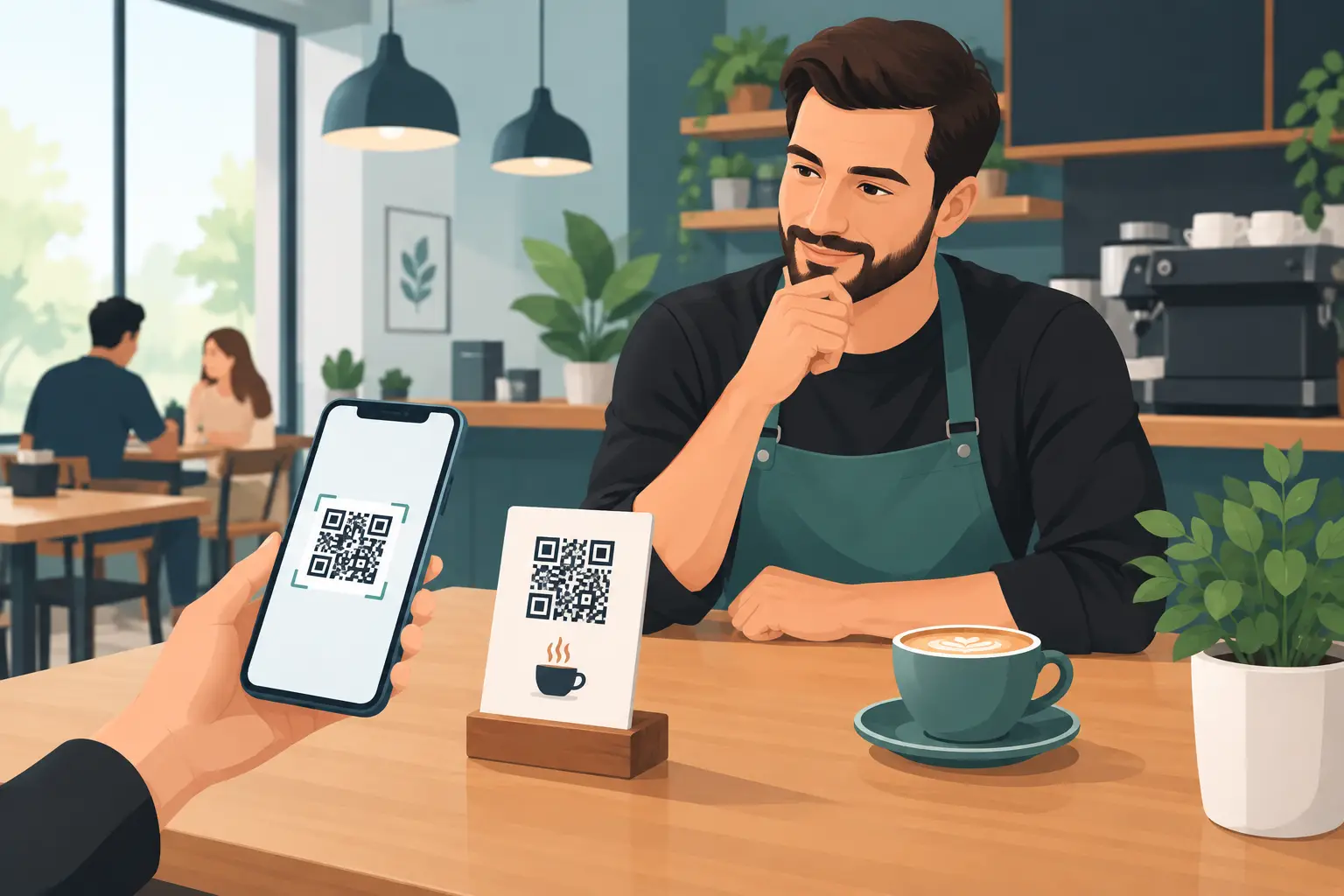
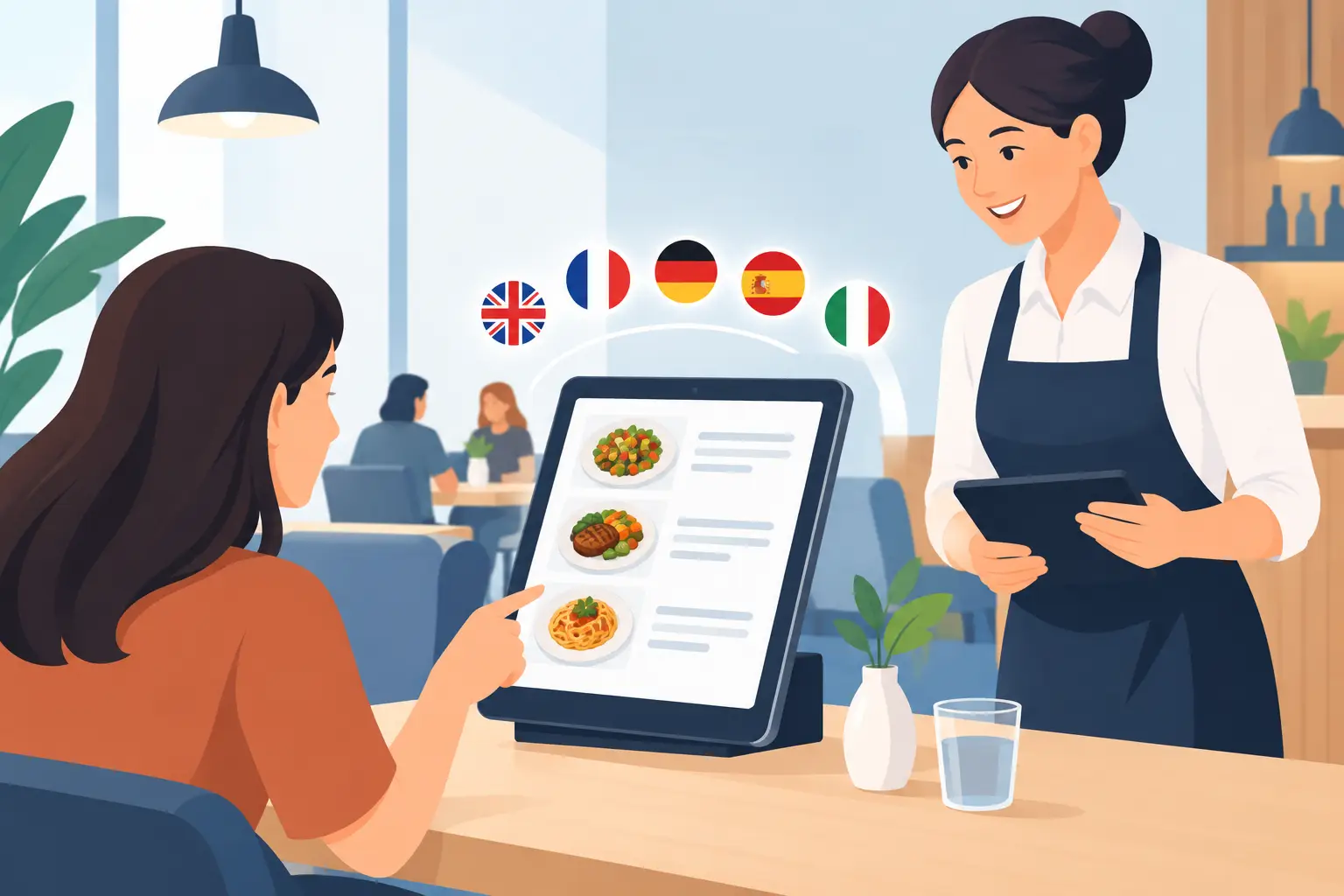
A digital menu solves this operational problem in a simpler way. After scanning a QR code, guests can choose their preferred language and view the same current offerings that the staff see. Price changes, descriptions, or availability can be updated without waiting for new printing.
This is especially practical for seasonal establishments. Daily catches, wine by the glass, weekend brunch, or cocktail specials can be displayed only while active. When an item is unavailable, it's enough to remove it or mark it as out of stock, instead of the server explaining the situation at every table.
A platform like menu4.me allows establishments to maintain a clear, mobile-friendly menu, with content reflecting the real-time situation in the venue. Guests get quick access to information, while the team avoids constant corrections to printed materials.
Language Must Be Easily Accessible
It's not enough to have a translation if the guest cannot quickly find it. The language selection should be prominently placed, ideally immediately upon opening the menu. Language labels should be short and clear, without hidden settings or unnecessary steps.
Also, consider the mobile display. Most guests will open the menu on their phone, often in the sun, in a crowd, or while chatting with friends. The text must be readable, categories clear, and prices clearly associated with items. Overly long descriptions and small fonts slow down ordering, even when the translation is good.
How to Maintain Content Quality
A multilingual menu should be treated as an active sales tool, not a document that is set once and forgotten. Every change to the main menu must be immediately checked in all languages. If you change the composition of a burger, add a side dish, or remove a sauce, the translated version must reflect the same information.
It is best to assign one person responsibility for the final content review. This could be a manager, owner, or marketing person, but the responsibility must be clear. The kitchen confirms ingredients and allergens, while the person editing the menu checks names, prices, and availability.
Before publishing, open the menu as a guest. Go through each language on your phone, find the most important categories, and check if the information is logical. Pay attention to unusual line breaks, incorrect currencies, inconsistent names, and items that only appear in one language version.
If you don't have the budget for a professional translation of the entire menu at once, start with the best-selling categories and key information. However, don't just translate titles. A partially translated menu often leaves a worse impression than a clear menu in one additional language.
A Clear Offering Leaves a Better Impression
Guests don't need to know the local language to understand your cuisine. They need a few well-written pieces of information, a clear language selection, and the feeling that the restaurant values their time. The next time you update your menu, view each language version as part of the table service – because that's where it does its most important job.