Multilingual Digital Menu for Tourists
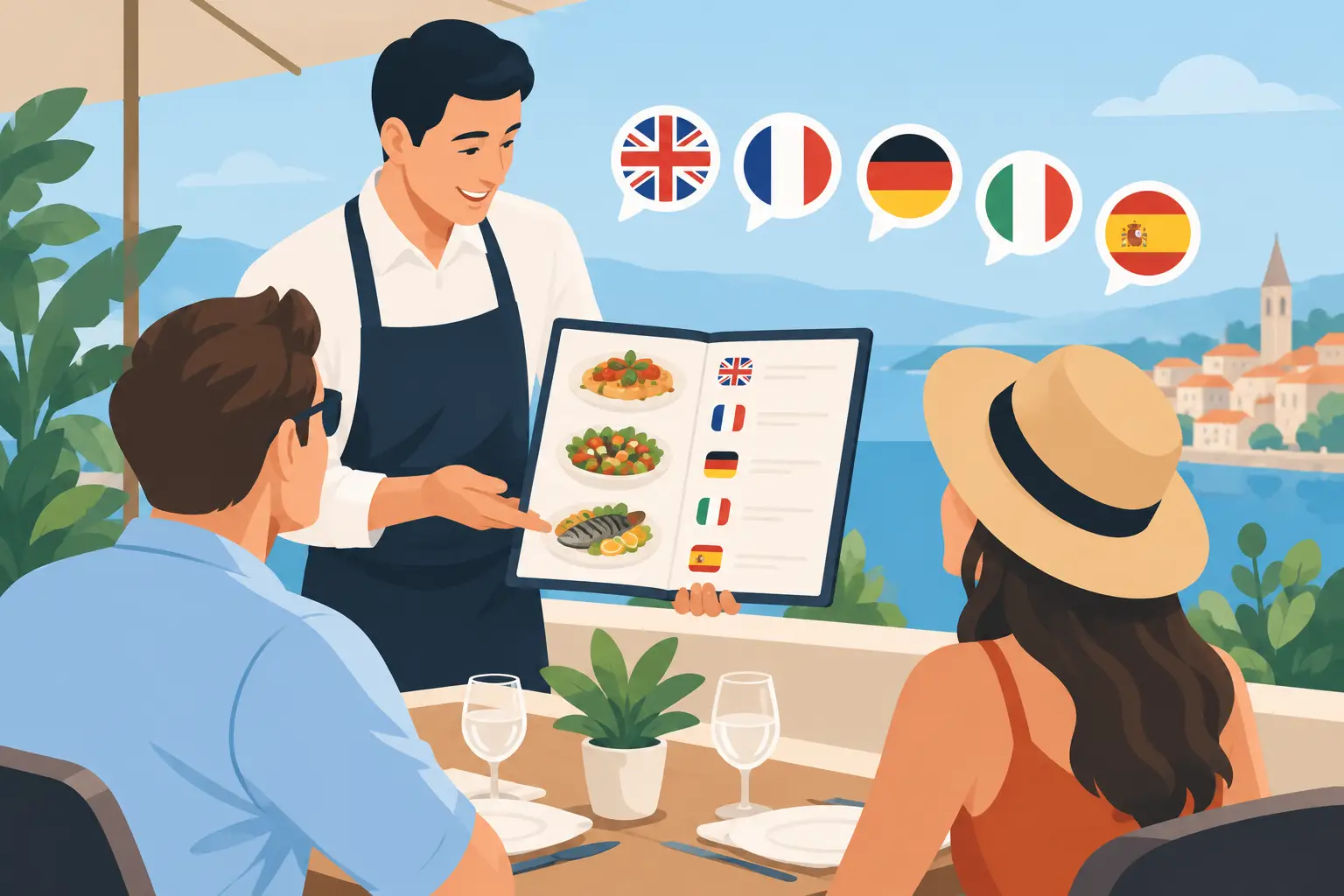
A guest sits at the table, scans a QR code, and within seconds sees the offerings in a language they understand. They don't need to ask the waiter what a dish name means, guess ingredients, or abandon an order because the menu is unclear. This is where a multilingual digital menu for tourists stops being an add-on and becomes an integral part of excellent service.
For restaurants, cafés, bars, and hotels in tourist destinations across the Balkans, the language of the menu directly impacts service speed, the average bill value, and the impression guests take with them. A foreign guest who understands the offer makes choices more easily, is more willing to try local specialties, and more often orders more than just a basic dish and drink.
Why tourists need more than just an English menu
English is a starting point, but it's not always the final solution. In the Adriatic region, Belgrade, Novi Sad, Zlatibor, and other tourist areas, guests arrive from Germany, Italy, France, Poland, Czech Republic, Hungary, Scandinavia, and other markets. Many can communicate in English, but they make food choices more confidently when information is presented in their native language.
This is especially noticeable with dishes that have local names. Words like karađorđeva šnicla, kajmak, pljeskavica, sarma, or pasulj have cultural value, but without a good description, they don't explain to the guest what they are actually getting. A literal translation often doesn't help. Tourists aren't just looking for a translation of the name, but a short, understandable answer: what meat is in the dish, how it's prepared, if it's spicy, what comes as a side, and if it contains allergens.
When information is clear, the waiter spends less time explaining basic items. This doesn't mean losing personal contact. On the contrary, staff then have more room to recommend wine, dessert, a daily special, or a dish that best suits the guest's wishes.
A multilingual digital menu for tourists should sell, not just translate
The most common mistake is to translate a domestic menu word-for-word and consider the job done. Such an approach can lead to strange formulations, unclear descriptions, and names that sound less appealing to the guest than the original. The menu is a sales tool. Its job is not just to convey information, but to facilitate the guest's decision.
A good dish description is short, precise, and appetizing. Instead of a general term like "meat with a side dish," it's better to list key elements: "grilled chicken breast with creamy kajmak, roasted potatoes, and seasonal salad." The guest immediately knows what to expect, and the dish gains more value.
Local names should not be removed. They are often part of the restaurant's identity and the travel experience. A practical solution is to keep the original name, along with a clear description in the chosen language. This preserves the authenticity of the offer, and the tourist gains confidence that they are ordering exactly what they want.
Clarity is more important than a large number of languages
Not every establishment needs ten language versions. The choice depends on location, guest structure, and season. A restaurant in the center of Belgrade might mostly use English, German, and Russian or Turkish, depending on its market. A coastal establishment might have different priorities, while a hotel with organized groups often knows in advance which languages its guests speak.
It's better to have three carefully crafted languages than eight versions with errors, outdated prices, and incomplete descriptions. When introducing a new language, the entire experience should be translated: categories, names, descriptions, allergens, service messages, availability tags, and any payment notes.
What a guest must see without asking additional questions
Tourists lack local context. They don't necessarily know portion sizes, the ingredients of a local sauce, or the difference between similar dishes. Therefore, a multilingual digital menu must resolve doubts before they slow down service.
For every significant item, it's useful to clearly display the price, currency if relevant, ingredients that define the dish, labels for vegetarian or vegan options, spice level, and allergens. If fish is available as a daily special or priced by weight, this must be stated simply and visibly.
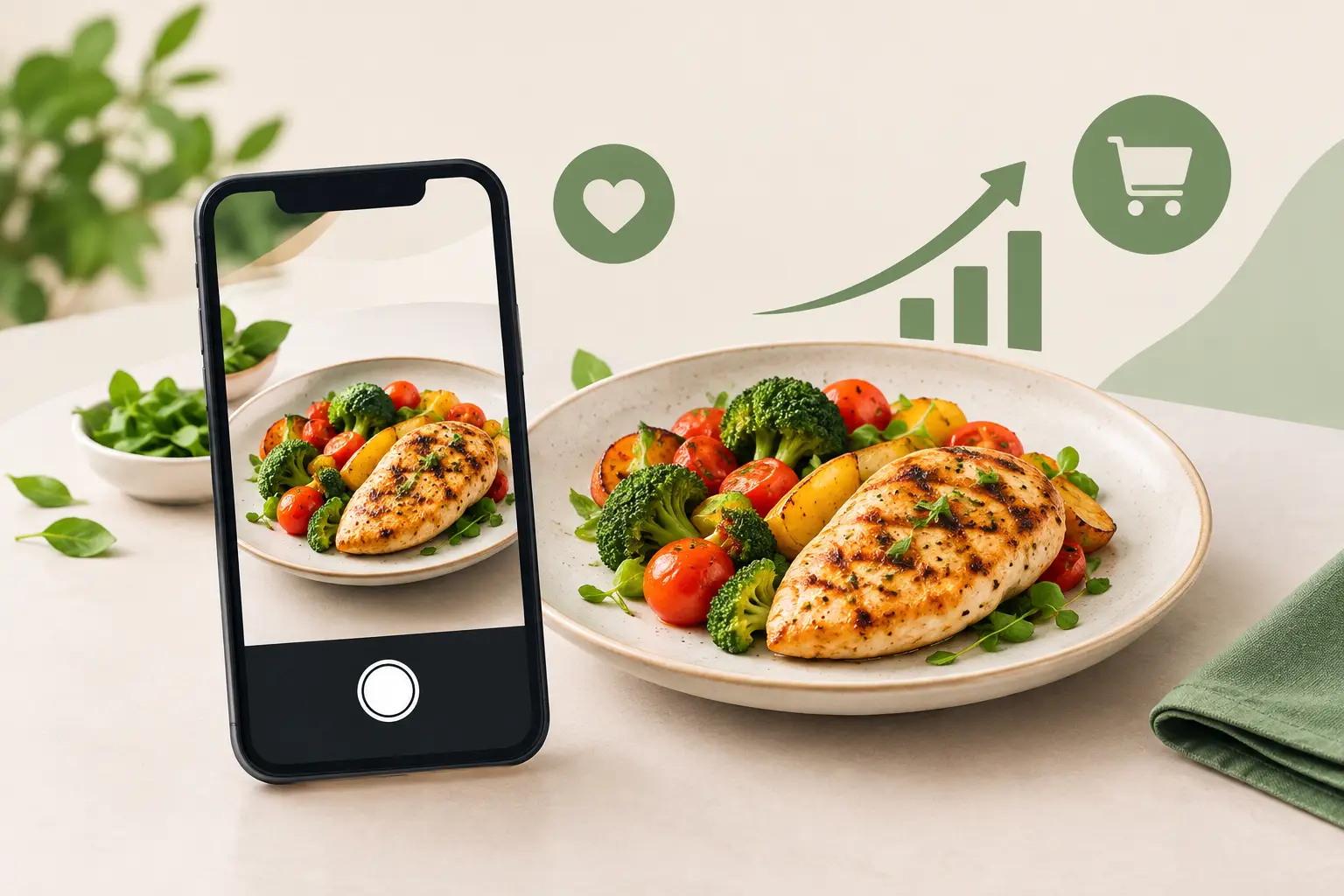
Photos can help, especially when presenting specialties that guests are unfamiliar with. However, they should be used selectively. A few high-quality photos build trust and facilitate choice, while too many photos slow down the page and can make the offer cluttered. For a high-traffic venue, loading speed is as important as appearance.
A digital menu solves the updating problem
A printed menu is expensive every time prices change, an ingredient runs out, or a seasonal cocktail is introduced. In tourism, these changes don't happen occasionally; they happen every day. Procurement, fish availability, raw material prices, special offers, and kitchen shifts demand a menu that can immediately reflect the real situation.
A digital menu available via QR code allows staff to update content without waiting for printing and without changing cards at every table. When a specific dish sells out, it can be immediately hidden or marked as temporarily unavailable. When happy hour begins or a daily menu is introduced, the change is visible to guests as soon as they open the page.
This is particularly useful for seasonal businesses. Instead of preparing multiple printed versions for pre-season, peak season, and late summer, the team can adapt the menu to actual demand. Less waste, fewer errors, and fewer unpleasant situations where a guest orders something the kitchen no longer has.
menu4.me is designed precisely for such daily use: to provide a hospitality venue with its own digital offering, immediately available on the guest's phone and easy to modify as operations change.
How to set up a menu that leads to easier ordering
The starting point is not choosing languages, but organizing the core offering. If categories are unclear in Serbian, translation won't solve the problem. The menu should follow how guests choose: appetizers, soups and stews, main courses, pasta or pizza where relevant, desserts, non-alcoholic and alcoholic beverages.
Next, determine which items deserve a description. It's not necessary to explain every bottled water in detail, but local specialties, cocktails, sharing platters, and dishes with unusual ingredients require additional context. The description should be of consistent quality in every language, not just one version sounding appealing.
Finally, implement regular checks. One person should be responsible for the accuracy of prices, availability, and translations. In larger establishments, this might be a manager or marketing team; in smaller ones, the owner or shift leader. It's important that updates don't depend on vague agreements and that staff know when the digital version has been changed.
Don't forget the staff and the QR code on the table
Even the best digital menu is useless if the guest doesn't notice the QR code or doesn't know what scanning it provides. The table marker should be clean, visible, and concise: "Scan for the menu in your language." Place the code on a stable holder, table, or bill, but so that it doesn't obstruct service and doesn't look like a temporary solution.
Staff should know how the menu works. When a guest asks for a recommendation, the waiter can direct them to the language version and immediately follow up with specific advice. If an older guest prefers not to use a phone, good service means staff can still verbally present the offer or the establishment keeps a small number of printed copies available upon request.
Guest trust begins before the first order
Tourists evaluate a restaurant quickly. They look at photos, reviews, interior, welcome, and the menu. If prices are clear, translations meaningful, and food information effortlessly available, the establishment appears organized and reliable from the outset.
Such an impression has practical value. Guests are more likely to make an additional order, there are fewer misunderstandings about ingredients and bills, and staff can work more calmly and efficiently. A multilingual digital menu is not a substitute for good food and friendly service, but it provides them in a format that modern guests expect.
Next time you change a price, introduce a seasonal dish, or prepare your venue for foreign guests, view the menu as an active part of your service. If it takes a tourist from a question to a confident order in a few seconds, it's already doing a job that printed paper can hardly keep up with.