Future of Digital Restaurant Menus for Restaurants & Hotels
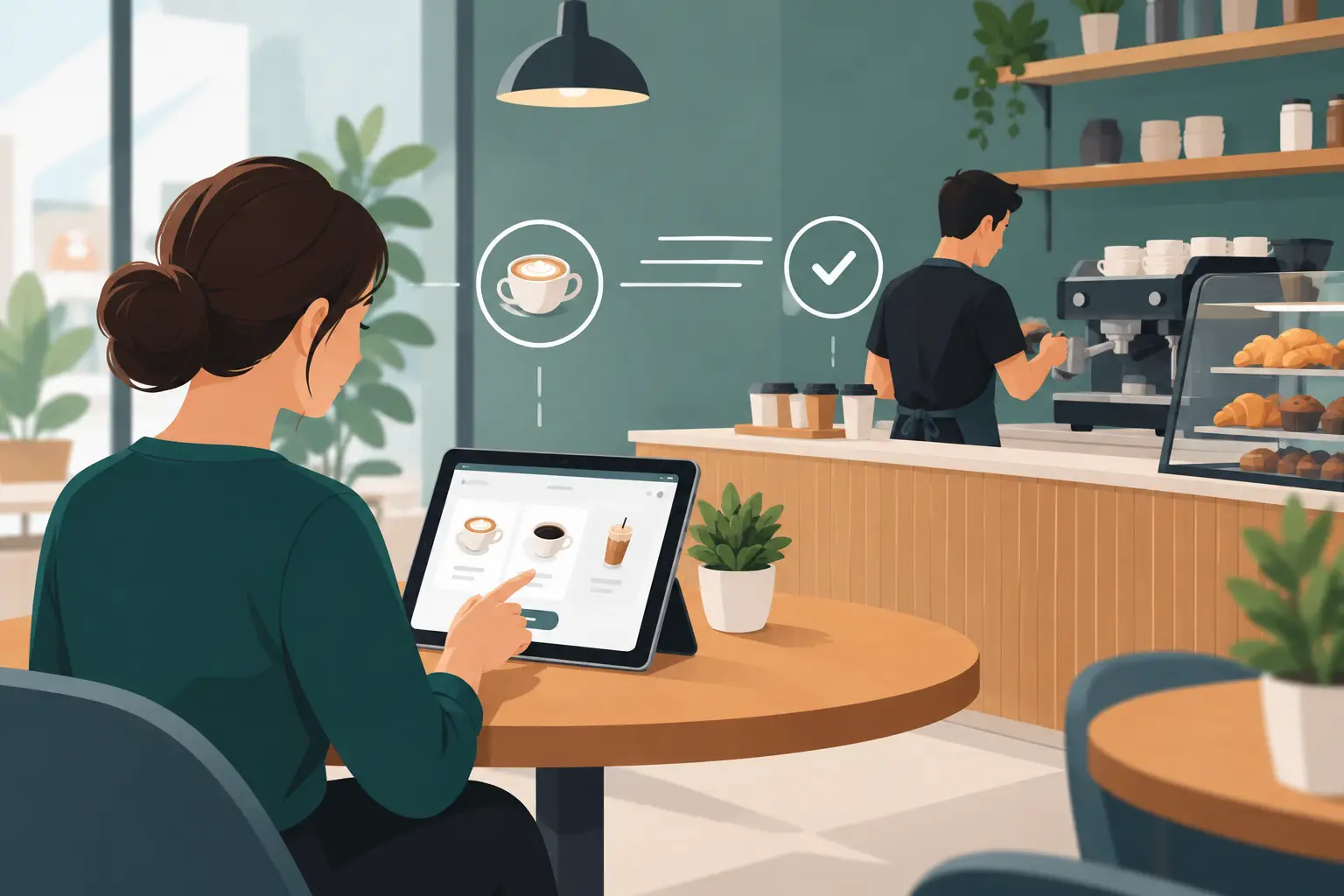
A guest sits down, scans a QR code, and within seconds sees the menu in their language, with current prices, photos, and clearly marked allergens. The future of digital restaurant menus is not a distant idea – it's an increasingly common standard in venues aiming for faster service and fewer operational bottlenecks.
For restaurant, cafe, bar, and hotel owners and managers, the question is no longer whether the menu will be digital. The real question is how easily the team can update it, how good it will look to the guest, and whether it will solve everyday problems that a printed menu cannot address.
Why Printed Menus Struggle to Keep Up
A printed menu has one major flaw: as soon as something changes, it becomes outdated. A new price, an unavailable dish, a seasonal cocktail, or an altered ingredient list often means reprinting. In venues with high traffic and frequent changes, this isn't just the cost of paper and design. It's extra work for staff and the risk of guests receiving incorrect information.
On the coast, this problem is even more pronounced. The offering changes based on fish availability, fresh produce, daily reservations, and the pace of the season. A hotel or restaurant catering to guests from multiple countries must also consider translations. If a menu exists in Serbian, English, German, and Russian, every small change becomes a logistical challenge.
A digital menu streamlines this process to just a few minutes. An authorized person can enter a new price, hide a temporarily unavailable product, or add a daily special. The guest sees the updated version as soon as they open the menu. No waiting for the printer, no crossing out prices, and no awkward situations at the table.
The Future of Digital Restaurant Menus is Operational, Not Just Visual
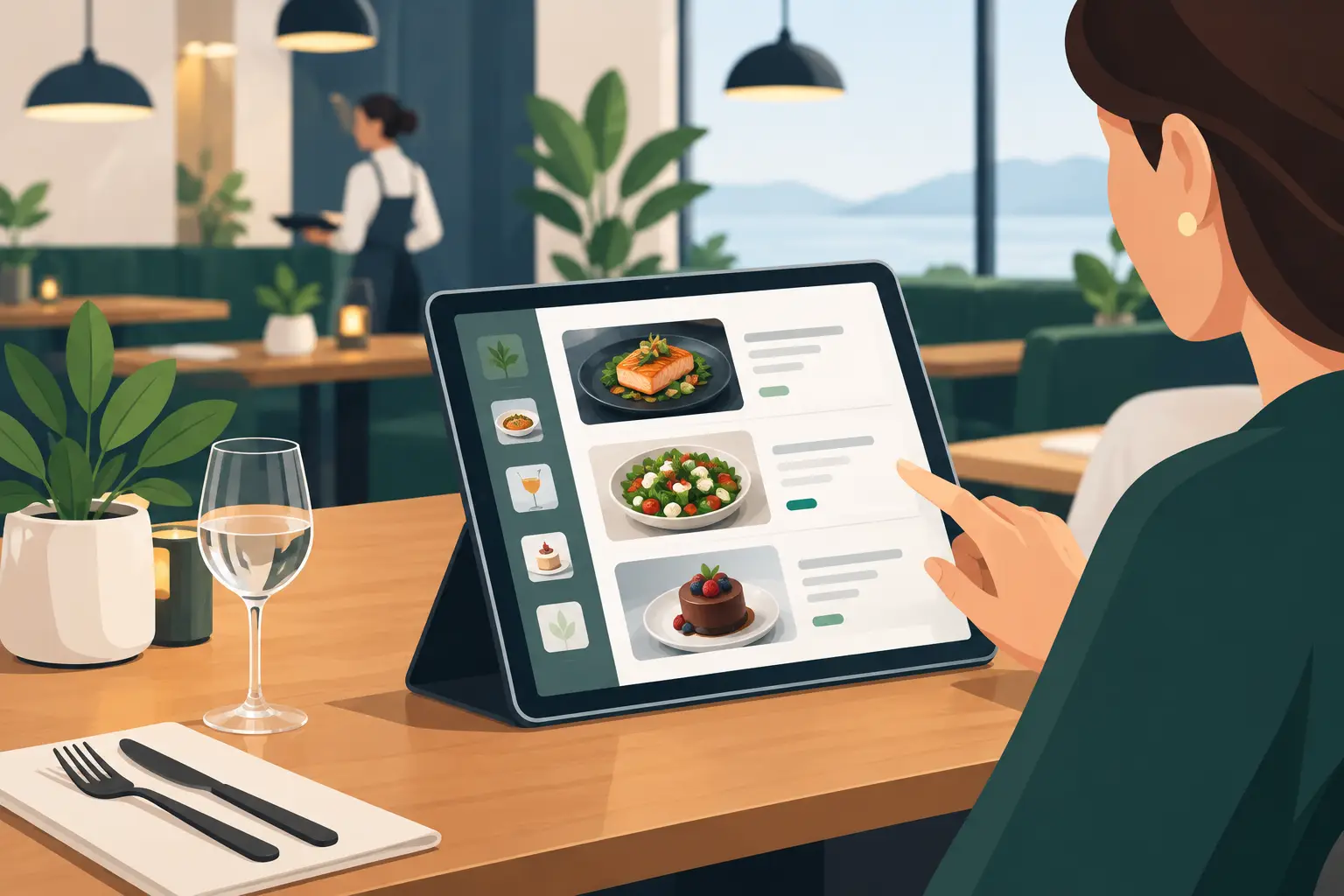
A good digital menu isn't just a PDF behind a QR code. While a PDF can be a temporary solution, it often requires zooming, scrolling, and patience on a phone – patience that a guest usually doesn't have. The menu of the future is adapted to a mobile phone screen: categories are clear, names are legible, prices are visible, and the path to the desired dish is short.
However, its true value isn't just in its appearance. It lies in control over the offering. A restaurant can highlight breakfast until a certain time, feature wine by the glass, display a promotion during quieter hours, or remove a sold-out item. Such changes don't require redesigning the entire menu, but just a few simple steps.
This also changes the work of waiters. Staff spend less time explaining what's currently unavailable and more time recommending and interacting with guests. A digital menu doesn't replace good service. It provides accurate information and creates more space for personalized service.
Mobile Display Must Be Simple
Guests don't want to learn how a new app works in a restaurant. Scanning should lead directly to the menu, without registration, app downloads, or unnecessary steps. It's especially important that the page loads quickly even when the mobile signal is weak or when many guests are simultaneously using the venue's network.
The design should align with the venue's identity but must not compromise readability. Too small a font, too many animations, and photos that slow down loading can do more harm than good. A good menu first helps the guest decide, then leaves an impression of the brand.
Multiple Languages Become a Standard Service
In tourist cities and coastal areas, a multilingual menu isn't an extra for special occasions. It's part of the basic service. A foreign guest who understands ingredients, portion sizes, and prices orders more easily and trusts the establishment more.
However, translations must not be just automatic text without review. Dish names, local ingredients, and allergen labels must be understandable. When a guest doesn't know what a particular cheese, cut of meat, or side dish is, a brief description can prevent a wrong order and unnecessary returns.
The digital format ensures that each language has the same structure and up-to-date information. This is easier to maintain than four different printed menus. For hotel restaurants, beach bars, and venues in areas with many tourists, this advantage is quickly seen in daily operations.
Allergen and Ingredient Information Becomes an Expectation
Guests increasingly ask whether a meal contains gluten, nuts, milk, eggs, or specific ingredients. Some do so for health reasons, others due to dietary choices. Staff should know the answer, but during peak service, it's unrealistic to expect every team member to remember every ingredient in every item.
A digital menu can display allergen labels and brief descriptions directly alongside the dish. This doesn't absolve the establishment of responsibility for the kitchen and service having accurate data, but it reduces the potential for misunderstandings. When a recipe changes, the information can be updated immediately.
However, accuracy here is more important than speed. If a venue lacks a reliable process for checking ingredients, it's better to first organize internal information before publishing labels on the menu. A digital system speeds up publication but cannot correct inaccurate data entered initially.
Digital Menu as a Sales Tool, Without Guest Pressure
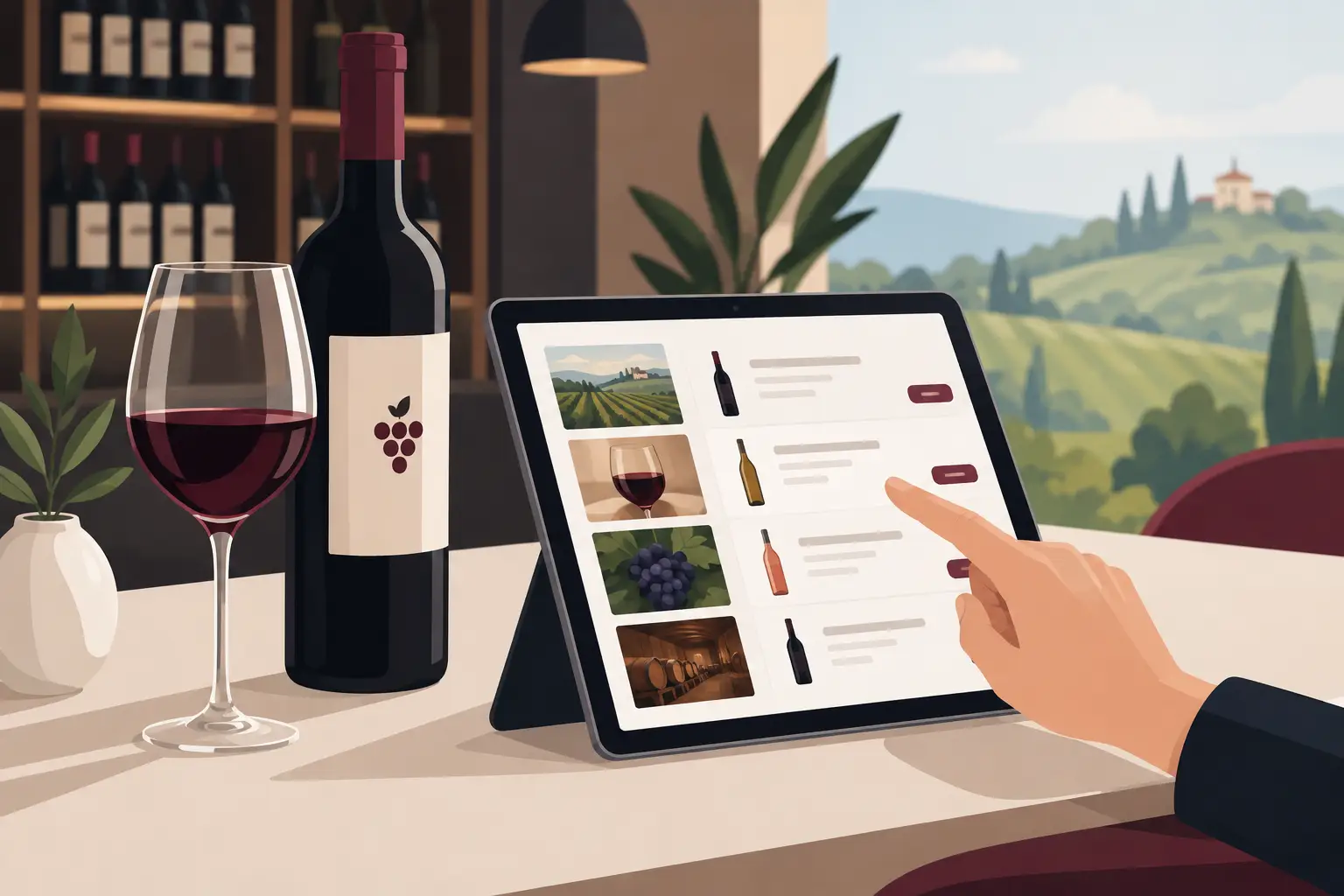
A well-organized menu can help guests choose more easily and allow the venue to better present its offerings. Recommended dishes, seasonal specials, premium drinks, and food-and-wine pairings can receive a more prominent place. This isn't aggressive selling if the recommendation is useful and relevant.
For example, a fish specialty might be accompanied by a suggestion for wine by the glass. With a burger, a choice of toppings can be displayed, and with breakfast, a note about available coffee or fresh juice. The key is moderation. If every item has ten labels and calls for an additional purchase, the menu becomes tiresome to read.
The future isn't about digital menus turning every table into a screen full of advertisements. It's about making the offering clearer and the guest's decision easier. In a restaurant with a short menu, categories and good photos might suffice. In a larger hotel with multiple cuisines, filters, languages, and precise labels are more useful.
What a QR Code Solves, and What It Doesn't
A QR code is a practical entry point, but it's not a digital strategy in itself. If it leads to slow, outdated, or messy content, the guest will get a bad impression regardless of food quality. The code must be visible, clear to scan, and placed where the guest naturally expects the menu.
Also, don't neglect guests who don't want to or can't use a phone. Older guests, business lunches, and certain types of restaurants may need a few printed menu copies. A digital solution works best when it elevates the level of service, not when it imposes an obstacle on the guest.
Therefore, the best approach is often a combination: a digital menu as the primary, always updated channel, with a printed alternative when needed. This is more practical than maintaining a large number of expensive menus for every table.
How to Prepare Your Venue for the Next Step
Before switching to a digital menu, it's worth tidying up the offer's structure itself. Category names should be clear, prices consistent, descriptions concise, and ingredient information verified. Digitalization doesn't solve a messy menu – it just displays it faster.
Next, define who on the team updates the content and who verifies the changes. During peak season, when prices and availability change frequently, clear assignments prevent errors. A platform like menu4.me makes sense precisely because it allows these changes to be made quickly, without technical knowledge, and without new printing costs.
It's best to start with everyday problems: how often do you change prices, how many languages do you need, do you have daily specials, and how much time do staff lose explaining menu items. The answers to these questions will show what kind of digital menu your establishment truly needs.
Guests won't remember the technology because it was modern. They will remember finding what they wanted quickly, understanding the offer, and receiving exactly what they ordered. That's the direction worth building your menu in.