Digital Menu for Cafes: Speed, Efficiency, Guest Experience
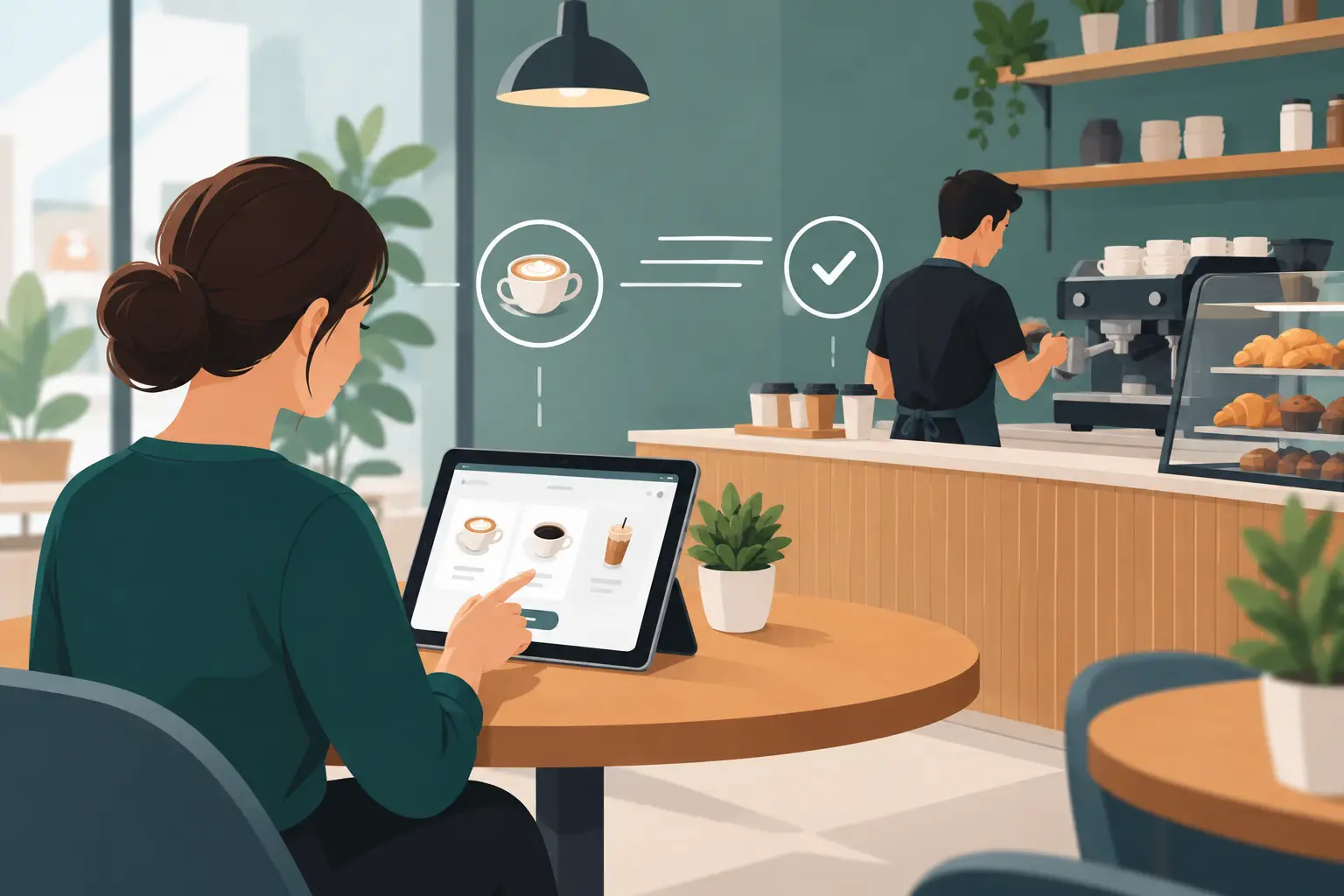
A guest sits down, scans a QR code, and in seconds sees the current offerings. No waiting for a menu, no scratched-out prices with a pen, and no questions about whether a particular cake or cocktail is still available. A digital menu for cafes solves these small, everyday bottlenecks that affect guest perception and staff workflow.
For cafes that frequently change prices, offers, seasonal items, or opening hours, a digital menu isn't just a table decoration. It's a practical operational tool. It ensures that the information guests see is the same as the information at the bar or kitchen – without waiting for new print runs and without unnecessary material waste.
Why a Printed Menu Often Slows Down Business
A printed menu is straightforward until something changes. However, in the real-world operation of a cafe, changes are frequent: a supplier adjusts a price, a certain juice runs out, a new craft beer arrives, the summer cocktail menu begins, or breakfast is introduced on weekends. Each such change requires a new document version, data verification, and printing costs.
The problem isn't just financial. An old copy might remain on the table, staff might offer a product that's no longer available, and a guest might be charged a different price than what they saw. This creates unnecessary questions and leaves an impression of disorganization, even when the service is otherwise good.
A digital menu for cafes allows prices, names, descriptions, or availability to be changed instantly. When an item is sold out, it can be removed from the menu. When the daily special is ready, it can be published without delay. For a venue with a variable offering, especially seasonally, this speed has direct value.
A Digital Menu Should Be Easy for Guests, Not Just Owners
A good digital menu isn't just a PDF file placed behind a QR code. A PDF might look decent on a computer, but it's often cumbersome on a phone: text is tiny, pages require pinching to zoom, and guests have to scroll extensively to find the category they're interested in.
A mobile digital menu should be designed for a phone screen. This means clear categories, readable prices, a logical order of items, and sufficient spacing between entries. A guest who wants coffee shouldn't have to navigate through the entire drinks list, and a guest choosing breakfast should quickly see what the offer includes.
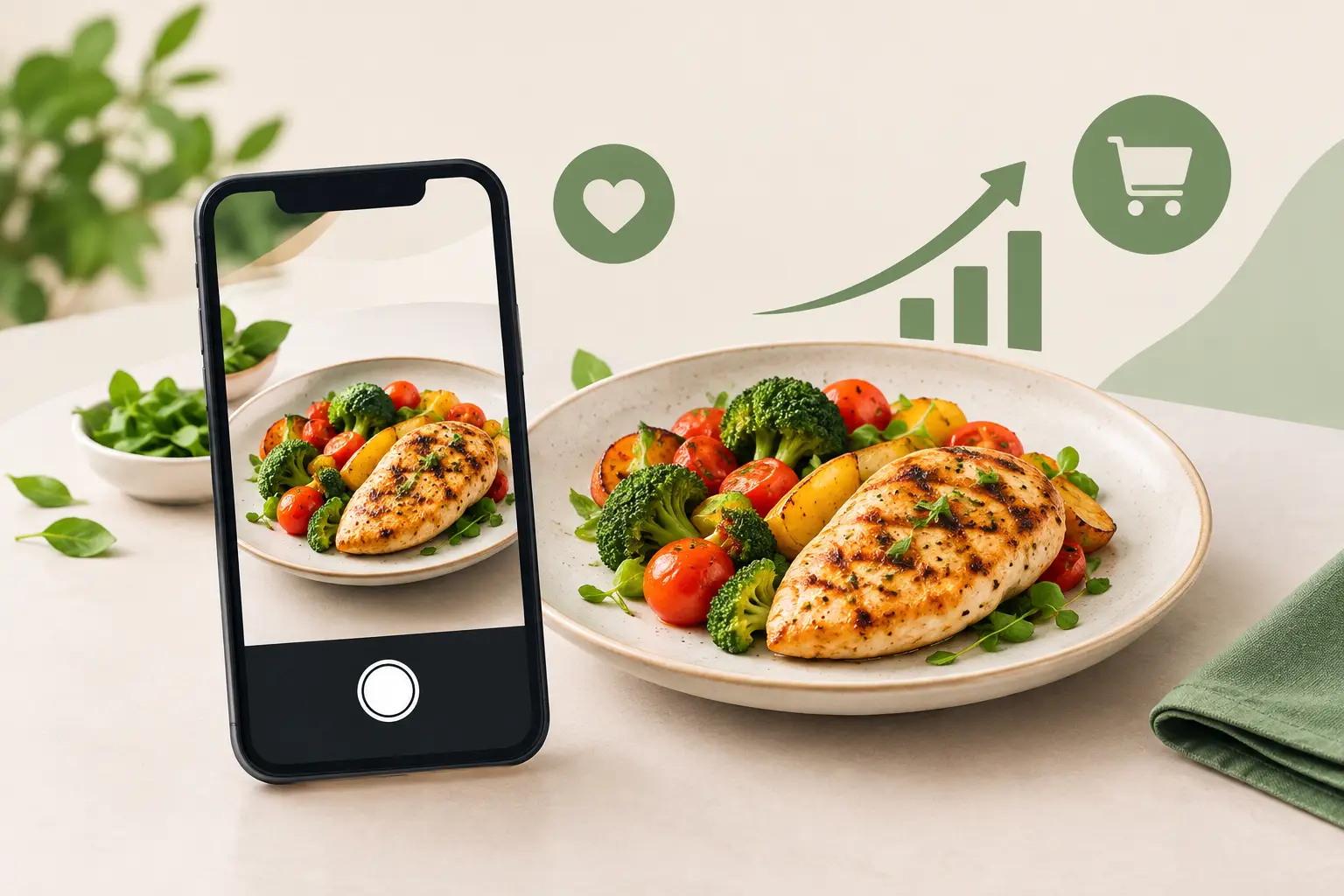
Photos can help, especially for cakes, breakfast, cocktails, and premium offerings. However, they aren't mandatory for every item. Too many large photos can slow down loading and distract from the essential information: what's offered, the price, and what the guest receives. For most cafes, a clean display with a few high-quality photos where they genuinely encourage ordering is better.
Descriptions should also be concise and useful. Instead of general phrases, list ingredients that determine the choice: the type of coffee, the syrup in lemonade, the beer style, or a side dish with a meal. For allergens and special dietary needs, precision is even more critical. Clear information saves time for both the guest and the waiter.
The QR Code is the Start of the Experience, Not the Whole Service
The QR code should be placed where guests naturally notice it – on the table, a stand, a bill, or at the entrance. It's important that it has sufficient contrast and is accompanied by a short, clear message, such as: "Scan for menu." The code shouldn't be too small or hidden behind decorations, ashtrays, or other table elements.
However, a digital approach doesn't mean every guest must use their phone. Some guests will want a waiter's recommendation, some might have low battery, and some simply prefer a traditional menu. The best solution is one that preserves choice. A digital menu speeds up the browsing of offerings, while staff remain available for recommendations, questions, and pleasant communication.
In a cafe with an older clientele or frequent business meetings, it might make sense to keep a few tidy printed copies. In a tourist location, a digital menu often plays a larger role, but even then, the service shouldn't become impersonal. Technology should eliminate waiting, not replace hospitality.
Multiple Languages Without Multiple Versions on the Table
Cafes in Belgrade, Novi Sad, Kopaonik, Zlatibor, Vojvodina, and tourist areas throughout the region often serve guests who don't speak Serbian. A separate printed menu for each language takes up space, increases costs, and complicates every change.
A digital menu allows guests to choose the language they understand. This isn't just a convenience for foreigners. When a guest can easily read the ingredients of a drink, portion size, or information about an extra, they make decisions more easily and less often have to verify details with staff.
Translations must be accurate and natural. The name of a local product sometimes shouldn't be translated literally, but the description should explain what the guest is ordering. For example, a local cake can retain its original name, with a short description of ingredients in the foreign language. This keeps the offering authentic yet understandable.
How to Organize Your Offer to Encourage Ordering
A menu is not just a list of products. The order of categories, names, and presentation of add-ons can influence what a guest notices and orders. The most sought-after categories should be first and easily accessible. For a cafe, these are typically coffee, soft drinks, breakfast, or cakes, depending on the venue's concept.
It's useful to highlight seasonal offerings, but the home screen shouldn't be cluttered with promotional messages. If a guest has to close multiple banners just to see an espresso, the menu works against its primary purpose. Promotion should be visible but unobtrusive.
Display add-ons and variants clearly. Plant-based milk, syrup, double espresso, non-alcoholic cocktail versions, or additional side dishes can increase the average bill, but only if the guest immediately understands the options and their prices. Unclear surcharges create resistance at payment. Clarity is better than aggressive selling.
Changes Should Follow the Work Shift
The value of a digital menu is most evident when changes can be made by the person managing the venue, without waiting for a designer or printer. Prices change in minutes, the daily soup is activated in the morning, and unavailable items are removed before the rush begins.
This is especially true for venues with seasonal operations. A summer menu might be different from a winter one, weekend breakfast different from a weekday, and beach offerings different from those in a city cafe. Instead of multiple printed versions that quickly become outdated, there's one menu address that updates according to the actual offering.
Before publishing a change, check three things: price, name, and availability. One wrong decimal or an old item can cause more problems than it seems. It's good to have one person responsible for the content, while the team knows who to report changes to during their shift.
What to Check Before Introducing a Cafe Digital Menu
Before placing QR codes on tables, look at the menu through the eyes of a first-time guest. Does the page open quickly on mobile internet? Are the text and prices readable without zooming? Are the categories understandable, and is it easy to return to the beginning?
Then check the content. Remove items that are no longer sold, align names with what staff use, and state actual volumes where they are important. If it says "lemonade," guests might expect different things. If it says "homemade lemonade 0.4 l," the expectation is clearer.
A solution like menu4.me makes sense when it allows the team to manage the menu without technical burden, and provides guests with a clean display on their phone. It's not crucial for the platform to have the most options on paper. What's crucial is that daily changes are simple, the menu looks professional, and it works reliably when the patio is full.
A digital menu is a small change that guests quickly notice, and the team feels during every shift. When the offer is accurate, accessible, and easy to read, more time remains for what brings guests back: good coffee, fast service, and a pleasant place to linger.