Daily Specials Menu: Drive Sales, Reduce Waste
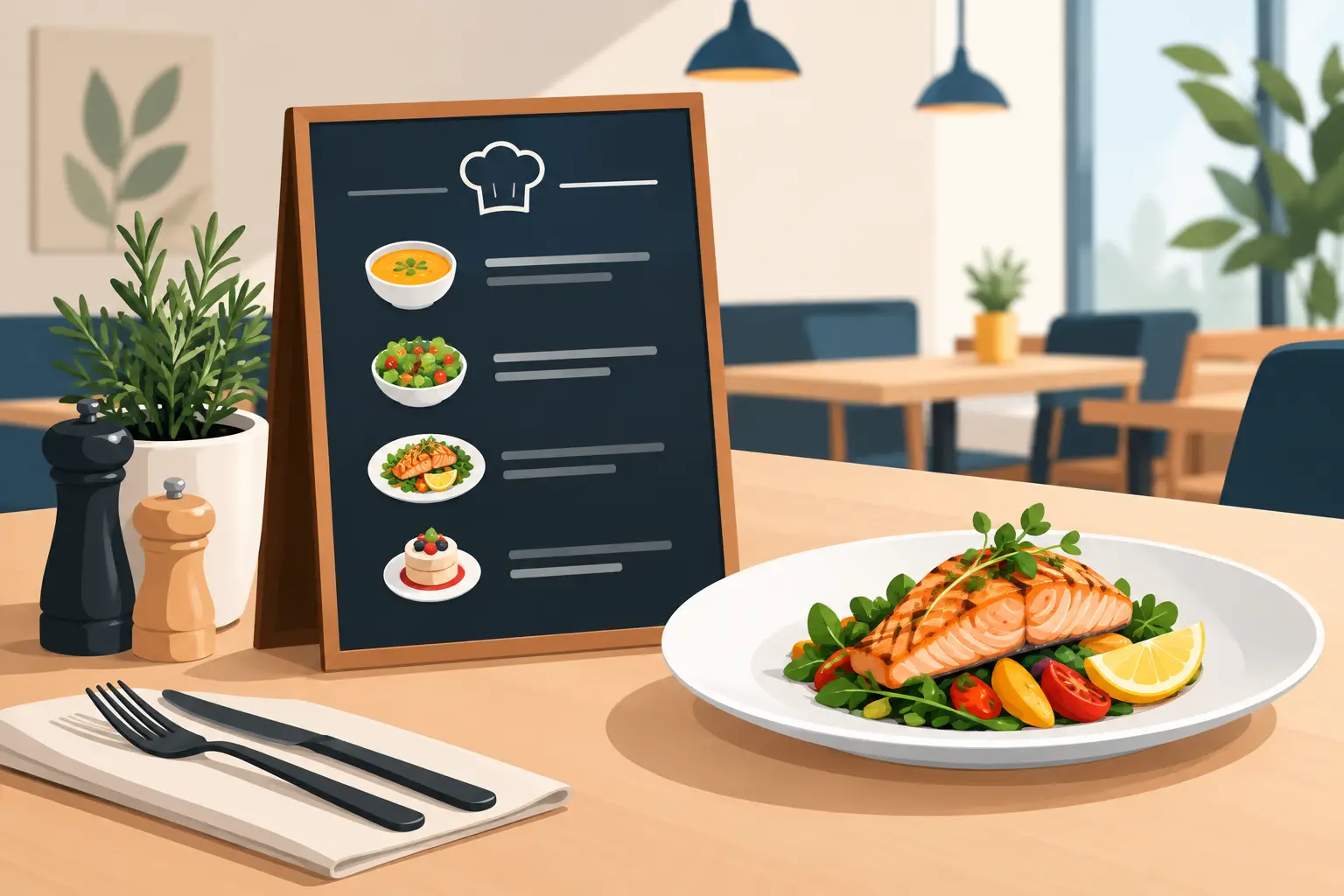
A guest is seated, the waiter is busy, and the dish you want to sell today hasn't reached the guest yet. Daily specials on the menu solve precisely that moment: clearly showing what's fresh, available, and worth ordering, without waiting for printing or explanations at every table.
For a restaurant, cafe, or hotel, daily specials aren't just an addition to the standard menu. They are a tool for better procurement organization, reduced food waste, and faster sales of dishes that make sense that day. For the guest, it's a short and concise answer to the question: "What do you recommend today?"
Why Daily Specials Influence Your Turnover
A static menu provides security. Guests know they can order their favorite pasta, burger, or breakfast they've already tried. Daily specials, on the other hand, provide a reason for guests to linger, try something new, and return. This works especially well for establishments that cook with seasonal ingredients, change their fish according to the daily catch, or have limited quantities of certain dishes.
The financial aspect is also important. When the kitchen has an surplus of quality ingredients or wants to use fresh ingredients before the next delivery, a daily special can be a commercially smart move. Instead of ingredients going unused, the restaurant turns them into an offering with a clear price and an appealing description.
However, daily specials only yield results when guests are actually aware of them. A paper blackboard near the entrance can be useful, but it doesn't follow the guest to the table. Verbal recommendations depend on staff time and can easily become inconsistent during busy periods. If one shift actively recommends a dish, and another barely mentions it, the offer won't have the same effect.
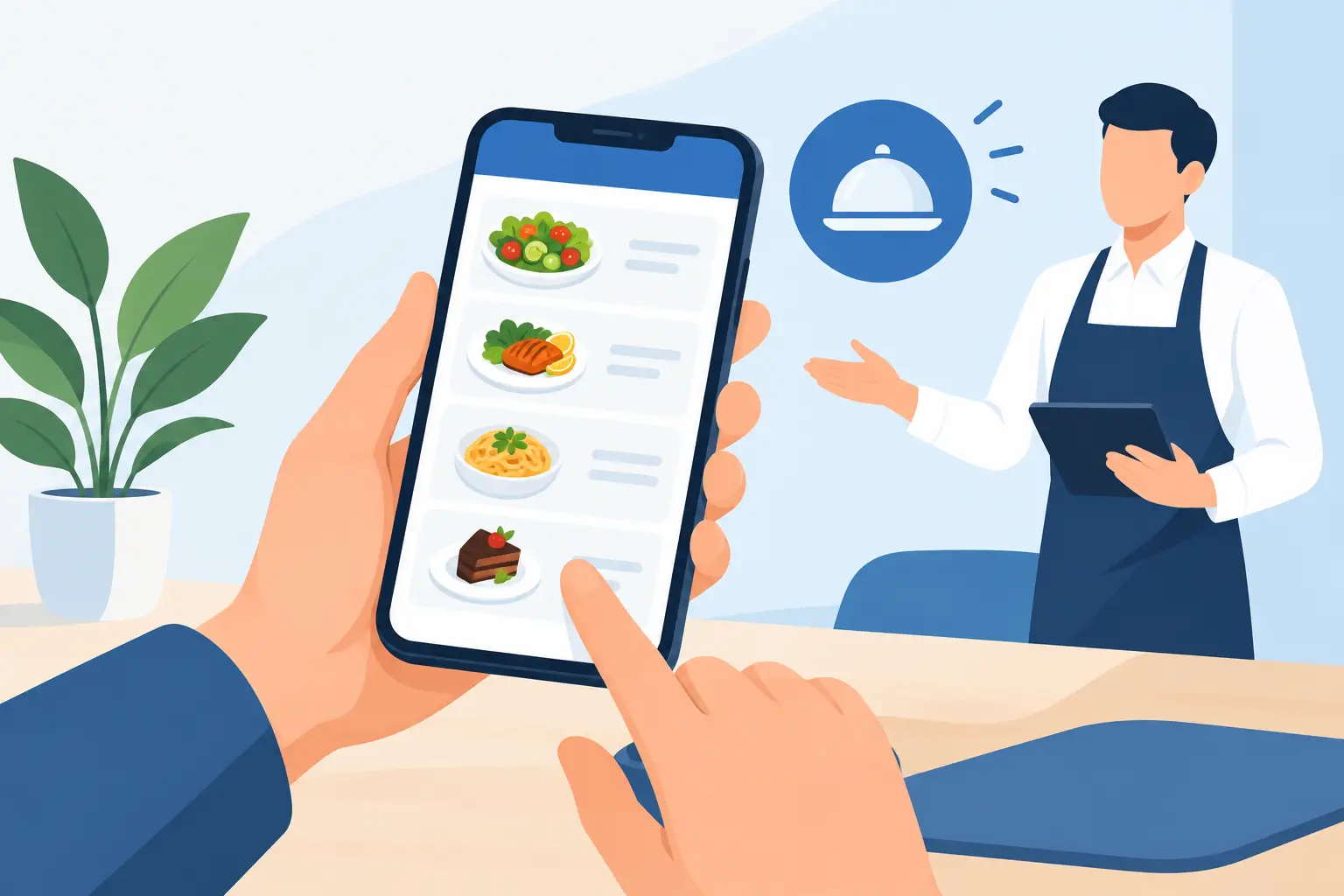
A digital menu gives daily specials a prominent place, always accessible on the guest's phone. When a dish appears clearly separated from the rest of the menu, with a price, description, and availability status, ordering becomes simpler for both guests and staff.
What Good Daily Specials Should Contain
Daily specials don't need to be extensive. In most cases, three to five carefully selected items work better than a page full of dishes. Guests want to quickly understand the choices, and the kitchen wants to maintain control over preparation and inventory.
A Name That Tells Guests What They're Getting
A creative name can attract attention, but it shouldn't obscure basic information. "Mediterranean Dream" might sound nice, but the guest still needs to know if they're ordering shrimp risotto, chicken fillet, or lemon cake.
The best solution is a combination of a clear name and a brief description. For example, "Homemade Chicken Paprikash" immediately tells you what's on the plate, while the description can add a side dish, cooking method, or origin of the main ingredient. This is particularly useful for tourists and guests with special dietary needs.
Clear Pricing
The price must be consistent everywhere the guest sees the offer. If it differs on the blackboard, in the printed menu, and from the waiter, trust is quickly lost. A digital menu allows the price to be changed in one place, without crossing out, stickers, or new printing costs.
Not every daily item needs to be discounted. A daily special can also be a premium recommendation, especially if it uses quality seasonal fish, local meat, or a limited quantity of a special ingredient. It's important that the price matches the portion, ingredients, and the establishment's positioning.
Brief Availability Information
If a dish is available "until sold out," state it. Such a message creates a natural sense of limited availability, but only if it's accurate. When the last portion is sold, the item should be immediately marked as unavailable or removed from the daily specials.
This prevents an unpleasant situation where a guest chooses a dish, only to find out it's unavailable. During lunchtime, when decisions are made quickly, menu accuracy is part of the service, not just an administrative task.
How to Organize Daily Changes Without Delays
The biggest advantage of daily specials is flexibility, but without a clear routine, flexibility can easily turn into chaos. The kitchen, front-of-house, and the person managing the menu must all work with the same information.
A practical process can be simple: the kitchen confirms dishes and quantities in the morning, the manager checks prices and descriptions, and the daily specials are published before opening or before lunch service. When something sells out, staff update the status immediately. This doesn't require lengthy procedures, but rather clearly defined responsibilities.
For hotels and larger restaurants, it's useful to prepare a basic offer for several days in advance, then only confirm availability each morning. For smaller cafes and bistros, the offer can be created on the same day, based on market availability, deliveries, or kitchen pace. There's no one-size-fits-all model – it's more important that the model suits the actual operations of the establishment.
A digital system like menu4.me simplifies this work because the team can update items, prices, and availability without waiting for a designer or a new print run. This is especially useful during peak season, when the offer changes more rapidly, and guests expect information on their phone as soon as they sit down.
Place Daily Specials Where Guests See Them
A good offer hidden at the bottom of a long menu won't get the attention it deserves. Daily dishes should have their own clearly marked category at the top of the digital menu. The name can be "Today's Recommendations," "Daily Dishes," or "Offer of the Day," in line with the establishment's style.
Don't overload it with photos and text. A single high-quality photo can help if it accurately represents the dish and if the establishment can regularly update it. A poor or outdated photo has the opposite effect. In many cases, a good name, a few descriptive words, and a neat price sell better than a generic image.
The QR code on the table should lead directly to the current menu, without additional steps. Guests don't want to open a PDF, zoom in on tiny text, or search for daily specials through multiple pages. The mobile display must be fast and clear, as decisions are often made in less than a minute.
Don't Forget International Guests and Special Requests
In tourist centers like Belgrade, Novi Sad, and along the Adriatic coast, daily specials are often an opportunity to attract guests who don't speak the local language. Translation isn't just an embellishment. It directly impacts whether guests will understand the dish and order it with confidence.
For each language, maintain the same meaning, ingredients, and price. Don't just translate the title while leaving the description unclear. If a dish contains allergens, pork, nuts, or gluten, that information should be easily accessible. Precision protects the guest, facilitates staff work, and leaves a professional impression.
However, not every daily dish should be described as "gluten-free," "vegan," or "fit" unless it has been verified in the kitchen. Such labels are only valuable when there are clear ingredients and preparation control. It's better to provide accurate, concise information than to promise more than the establishment can deliver.
Measure What Guests Truly Choose
After a few weeks, review which daily dishes sell fastest, at what time, and at what price. If soup sells out before 2 PM, perhaps it needs more preparation. If a certain main course is rarely ordered, the problem may not be with the recipe – perhaps the name isn't clear, the price isn't set well, or the offer is too hidden.
Observe related sales as well. A daily lunch can naturally be accompanied by homemade lemonade, a glass of wine, soup, or dessert. This doesn't mean aggressively upselling guests. It's enough for relevant options to be visible and logically connected on the menu.
Daily specials thus become a small but precise business test. They show what guests want now, how the kitchen uses ingredients, and how quickly the establishment can react to change.
When the offer is clear, up-to-date, and available without waiting, guests choose more easily, staff recommend more confidently, and the kitchen operates with less uncertainty. Tomorrow's dish may be different, but the guest experience should remain just as well organized.