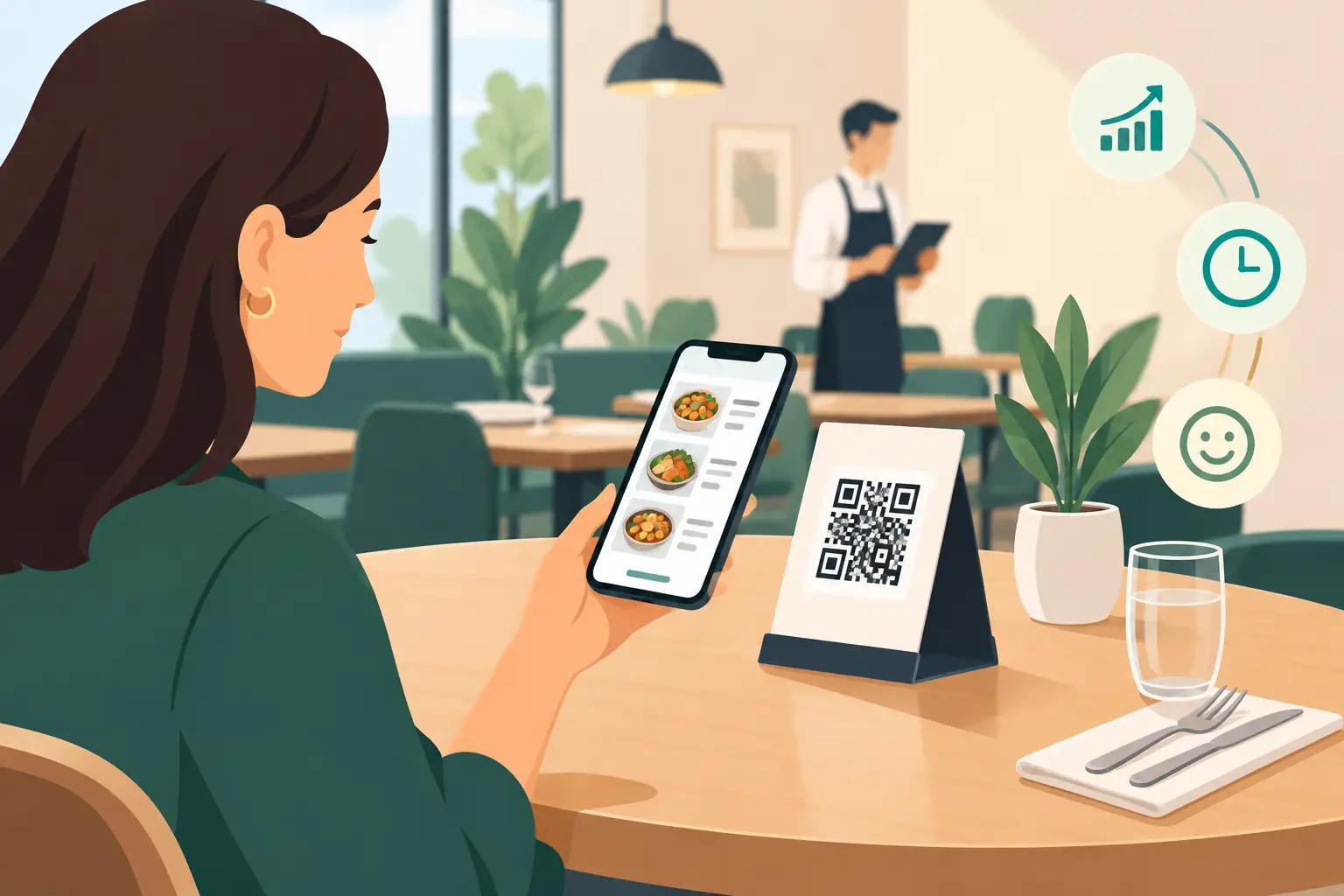
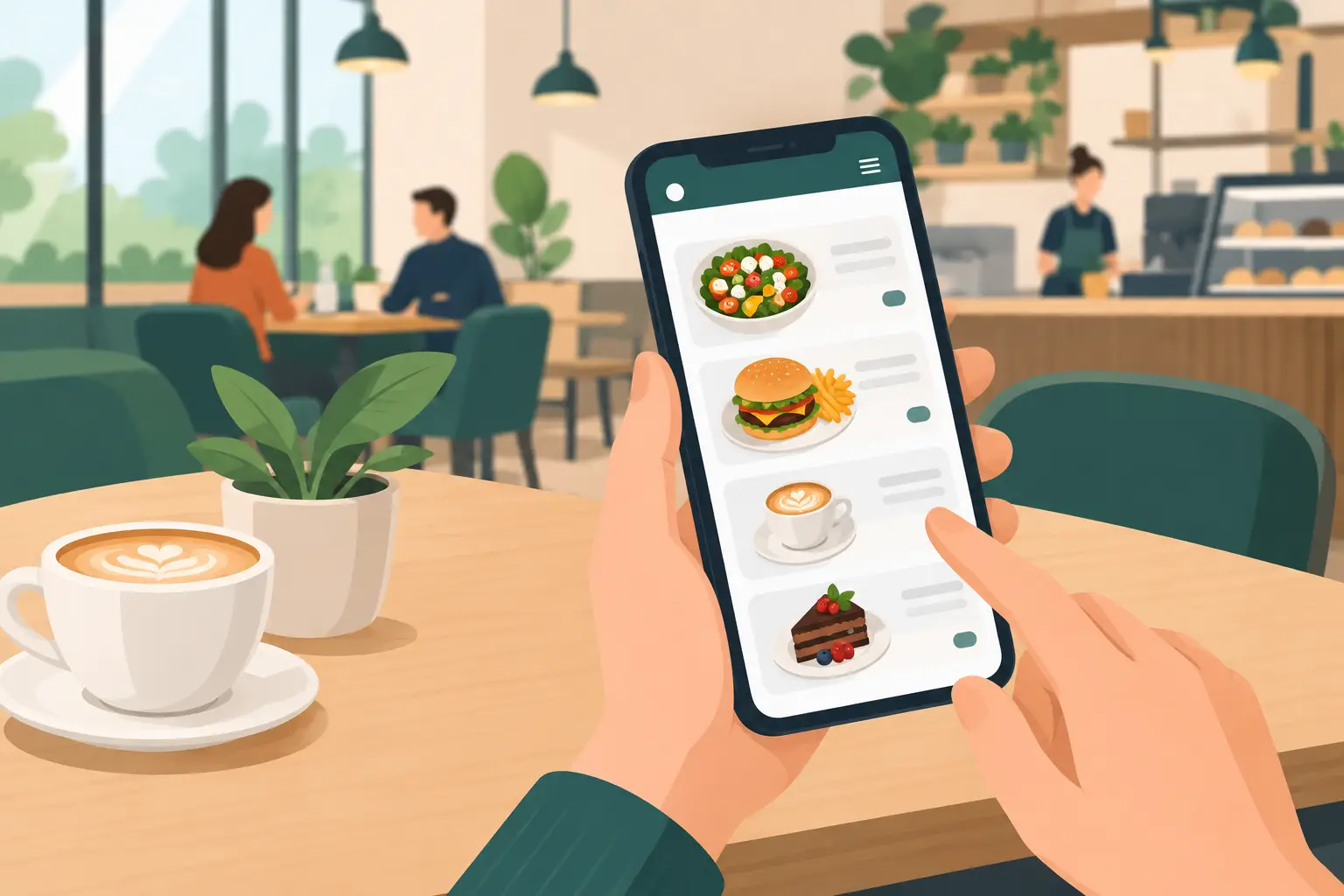
Does a digital menu really save time and money?
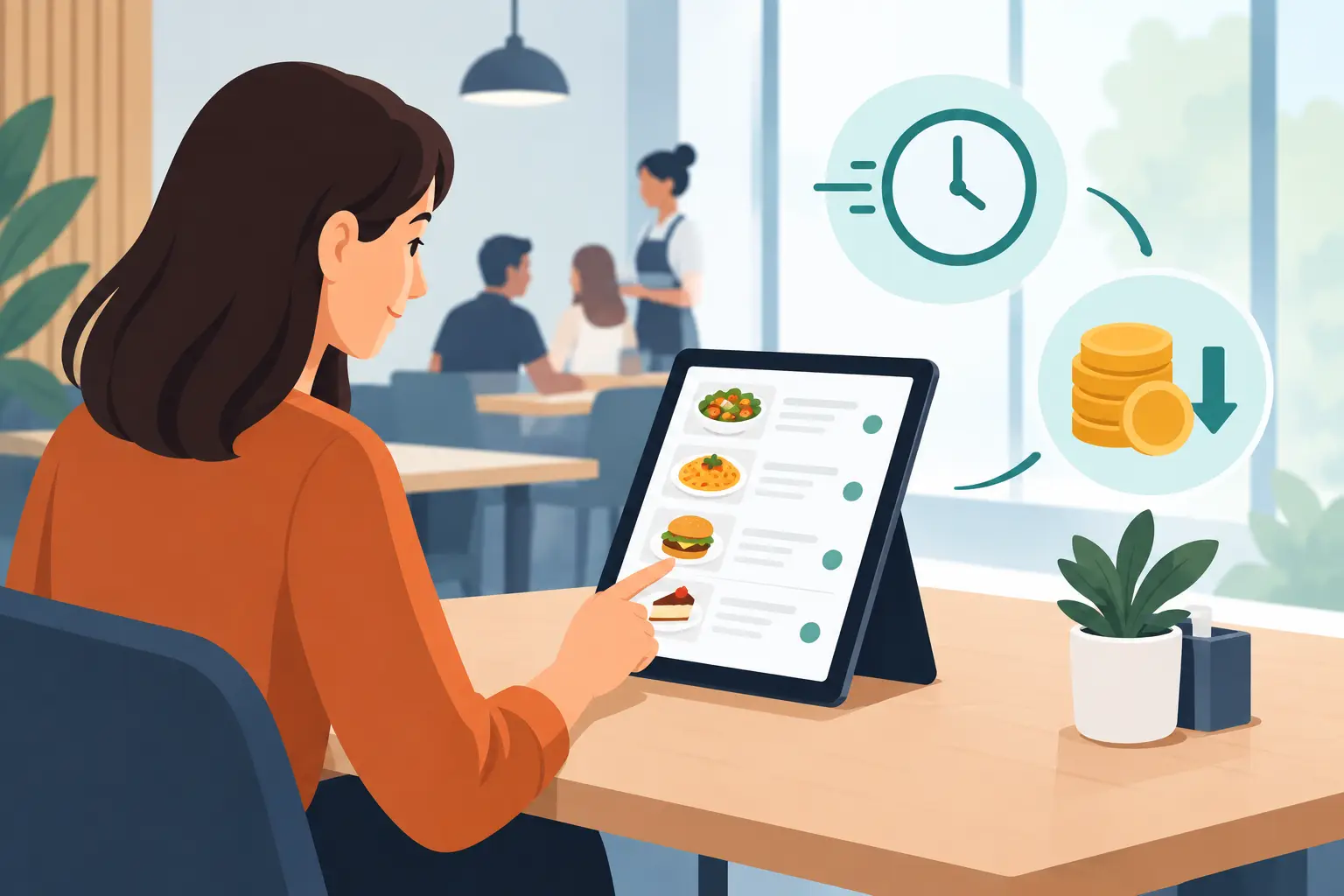
A guest has just sat down on the terrace, and the waiter explains that the price of fish on the printed menu is no longer valid. In the kitchen, one dessert is out, while the new daily special is ready but not yet presented to the guest. It's in such small, everyday situations that owners most often ask: does a digital menu save money, or does it just shift the cost from the printing press to a new subscription?
The short answer is: it can save significantly, but not just on paper. The greatest value of a digital menu is that a restaurant, cafe, bar, or hotel gains control over the information guests see. When a price, availability, description, or translation changes in minutes, there's less waste, less improvisation in the dining room, and fewer missed sales opportunities.
Where does a digital menu create real savings?
The easiest cost to calculate is printing. Design, proofreading, print preparation, lamination, and new covers are not a small expense, especially when the menu changes several times a year. For a venue with a small and stable selection, this might not be a crucial factor. For a seasonal restaurant, beach bar, or hotel with breakfast, lunch, dinner, and a drink list, every change quickly becomes a cost.
However, paper is only the visible part of the bill. A greater cost arises when staff have to verbally correct information. If a waiter tells a guest ten times during a shift that a certain wine is unavailable, that a dish's price has changed, or that a side dish is different, service becomes slower. The guest waits, the staff repeat themselves, and the impression of organization weakens.
A digital menu allows an unavailable product to be temporarily removed, a daily special to be highlighted immediately, and a price to be changed before the start of the next service. This isn't just administrative convenience. It's a way for the offer to reflect the actual state of inventory and the kitchen.
Less reprinting, fewer outdated details
The printed menu has one problem that is often overlooked: as soon as it's printed, it starts to age. A change in supplier, a new purchase price, a different portion size, a seasonal cocktail, or a weekend special can make it inaccurate. Some venues therefore delay changes, even though they know they are needed, because it's not cost-effective to reprint.
With a digital menu, there's no need to wait for the next major revision. You can update just one dish, one price, or one item on the drink list. This flexibility is especially useful in tourism, where offers change quickly, and guests come from different countries expecting clear information immediately.
Team time is also a cost
Owners often calculate material costs but less frequently calculate employee hours. Who collects changes from the kitchen? Who checks prices? Who sends the file to the designer? Who distributes new menus to tables and removes old ones? When all these small tasks are added up over the year, you get time that could have been invested in staff training, service quality, or sales.
A digital system doesn't eliminate the need for someone to manage the menu. On the contrary, good practice is to have one person responsible for the final content check. But it changes the workflow: changes are entered directly, without a printing press, without physical replacement, and without a stock of old menus in the warehouse.
Does a digital menu save in every venue?
Not necessarily in the same way. If a small cafe has ten regular items, rarely changes prices, and doesn't need multiple languages, the financial difference might be smaller than in a large restaurant. However, even then, a digital menu can make sense due to clarity, photos, clear allergens, or easier presentation of new products.
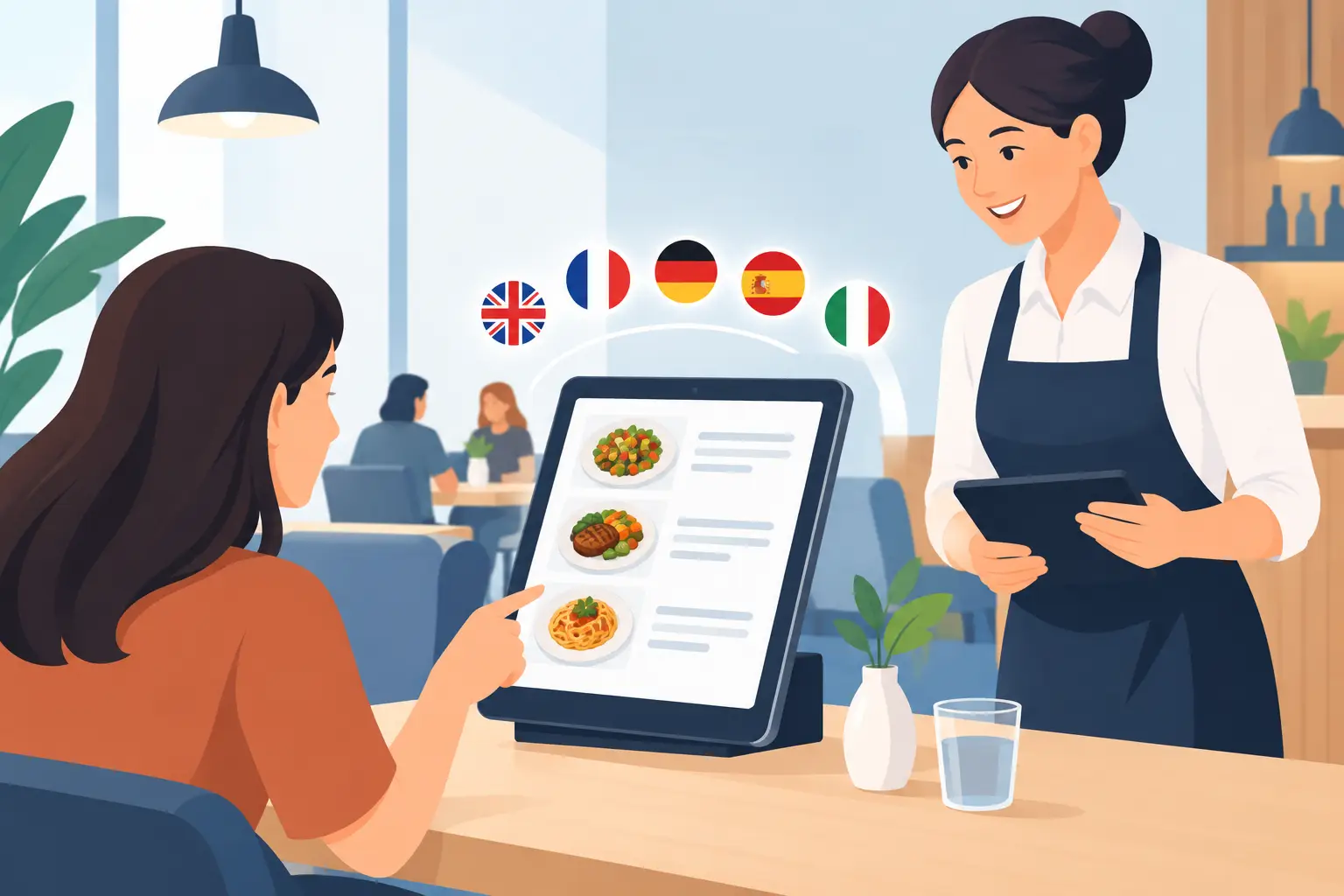
On the other hand, venues with high turnover, frequent price changes, seasonal offers, or many foreign guests usually see a faster return on investment. A hotel that wants a menu in Serbian, English, German, and Russian doesn't have to print four versions. A seaside restaurant can remove an out-of-stock fish immediately and add the daily catch without waiting.
Savings, therefore, depend on three things: how often you change your offer, how many menu versions you maintain, and how much time your team currently spends on verbal explanations and changes.
Savings aren't just a smaller printing bill
A digital menu can also impact revenue, provided it's well-implemented. Clear photos, understandable descriptions, and a logical category layout help guests decide faster. When a guest can easily see add-ons, desserts, premium drinks, or house recommendations, there's a higher chance they'll order more.
This doesn't mean every photo automatically increases sales. Poor photos, too many categories, and unclear descriptions can achieve the opposite effect. A digital menu should be as simple as a good conversation with a waiter: quickly answer basic questions and guide the guest toward the offer you want to highlight.
It's especially useful when you can shift priorities throughout the day. In the morning, you can highlight breakfast and coffee; in the afternoon, lunch; and in the evening, cocktails, wine, and dessert. A printed menu generally shows everyone the same thing. A digital version allows more room for the offer to follow the rhythm of the venue.
More languages without four printed menus
For restaurants and hotels in tourist areas, translation is not decoration but part of the service. A guest who understands the ingredients, portion size, or type of side dish orders more easily and has fewer unpleasant surprises. This reduces the number of additional questions, as well as the risk of misunderstandings about allergens or ingredients.
Printing multilingual menus increases both cost and room for error. The digital version makes maintaining translations easier because every change can be entered in all languages simultaneously. For establishments with seasonal staff, this also means more consistent communication with guests.
How to check profitability before deciding
You don't need to do a complicated financial analysis. It's enough to look at the past 12 months. Add up how much you spent on design, printing, and menu replacement. Then estimate how many times you changed prices, how many items remained unavailable, and how often staff had to explain the difference between the menu and the actual offering.
Then consider what a digital menu needs to solve for you. If you only want a QR code instead of paper, the benefit will be limited. If you want to independently change prices, availability, descriptions, promotions, and languages, you get an operational tool that works every day.
It's also important to factor in the quality of the solution. The menu must open quickly on the phone, be legible in the sun, not require the guest to install an app, and look like part of your establishment. A QR code that leads to a slow or cluttered page will not improve the experience, regardless of how much printing was saved.
Digital and printed menus can work together
Digitalization doesn't mean paper disappears overnight. Some restaurants keep a shorter printed menu for guests who request it, while moving detailed offers, daily specials, and the drink list to the phone. Others use the digital menu as the primary channel, with waiters assisting guests who need additional advice.
This is often the best approach: technology handles repetitive information, and staff retain what a screen cannot replace – recommendations, attention, and a feeling of welcome. A good digital menu does not distance the team from the guest. It gives them more time for truly valuable conversation.
For venues where quick changes, multiple languages, and a professional presentation of the offer are daily necessities, menu4.me can be a practical way to keep the menu up-to-date without constant preparations for printing.
Ultimately, the most useful question isn't whether a digital menu will completely replace every piece of paper in your establishment. The question is how much outdated information is costing you today. When guests always see what you can truly offer, you save more than money – you preserve the pace of service and guest trust.