Digital Menu for Restaurants, Cafes, and Hotels
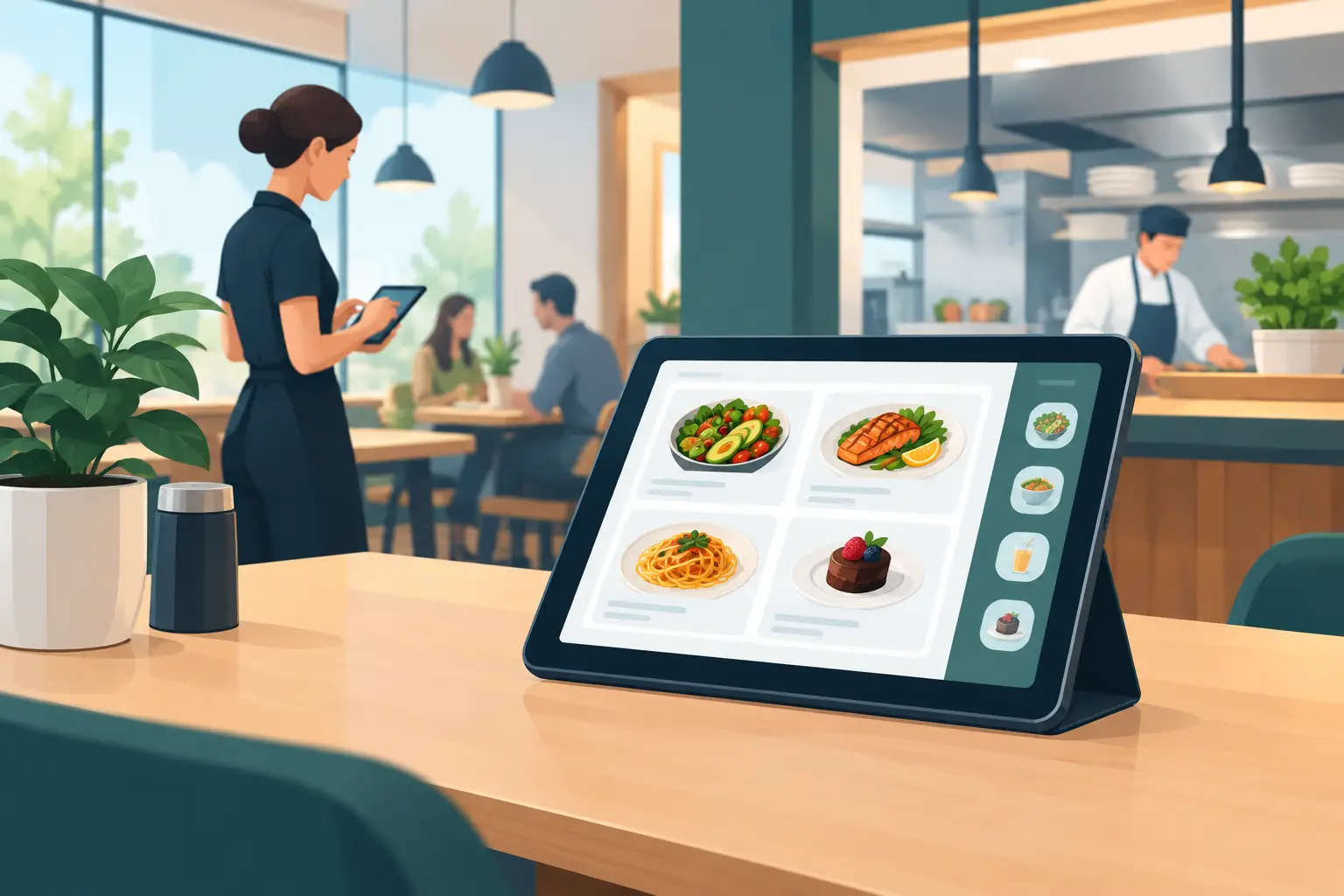
A guest asks if a specific wine is available, and the waiter checks the bar. At the same time, the kitchen has sold out of the daily special, but the old printed menu is still on the table. A digital menu solves precisely this small but frequent problem: the guest sees the current offer, and the staff doesn't have to explain what has changed.
For a restaurant, cafe, bar, or hotel, the menu is not just a list of food and drinks. It's a sales tool, a source of important information, and part of the first impression. If prices, descriptions, photos, or availability are outdated, the consequence is not just an awkward question at the table. Time is lost, the risk of error increases, and it gives the impression that the establishment isn't keeping up with its own offerings.
What a digital menu brings to your establishment
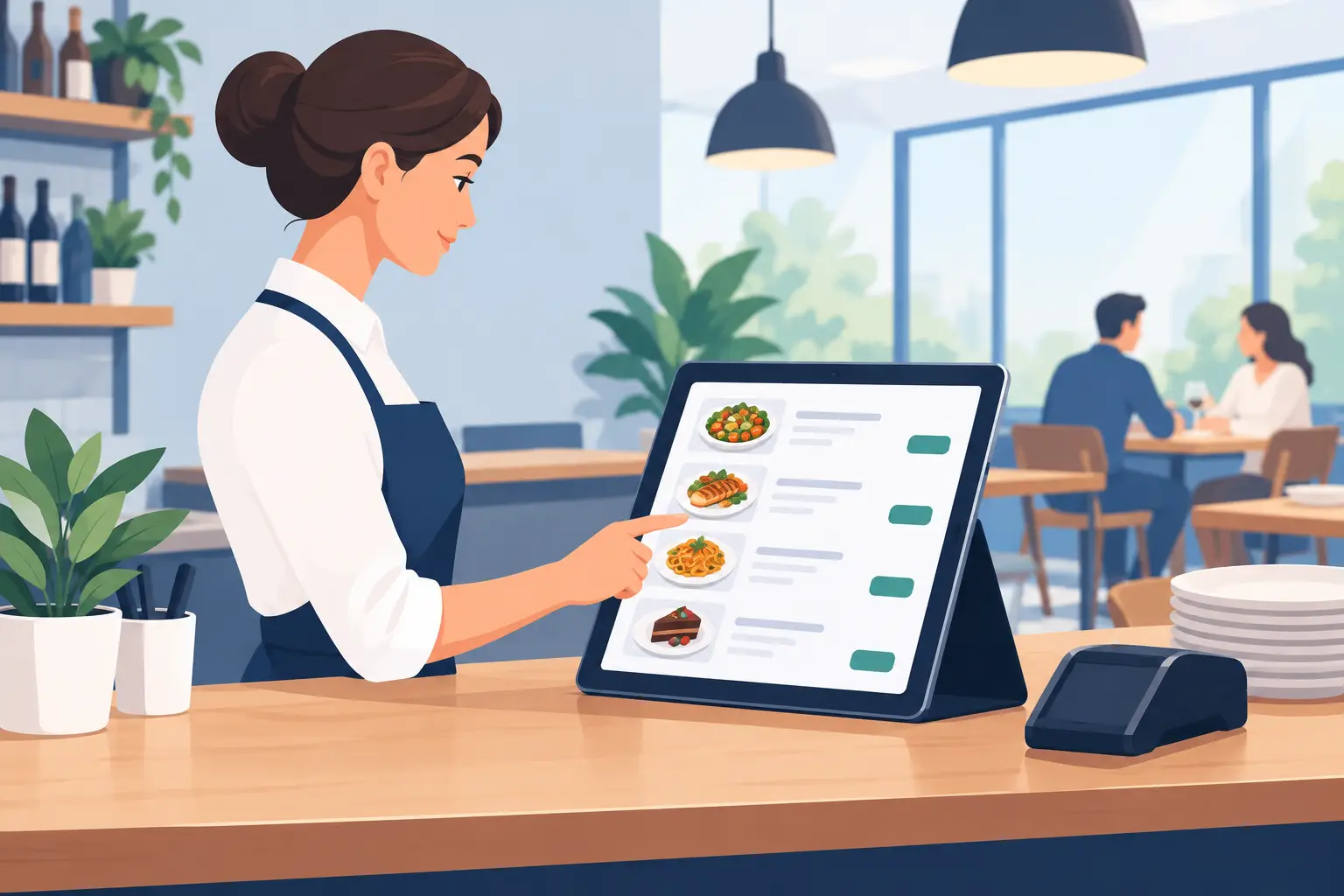
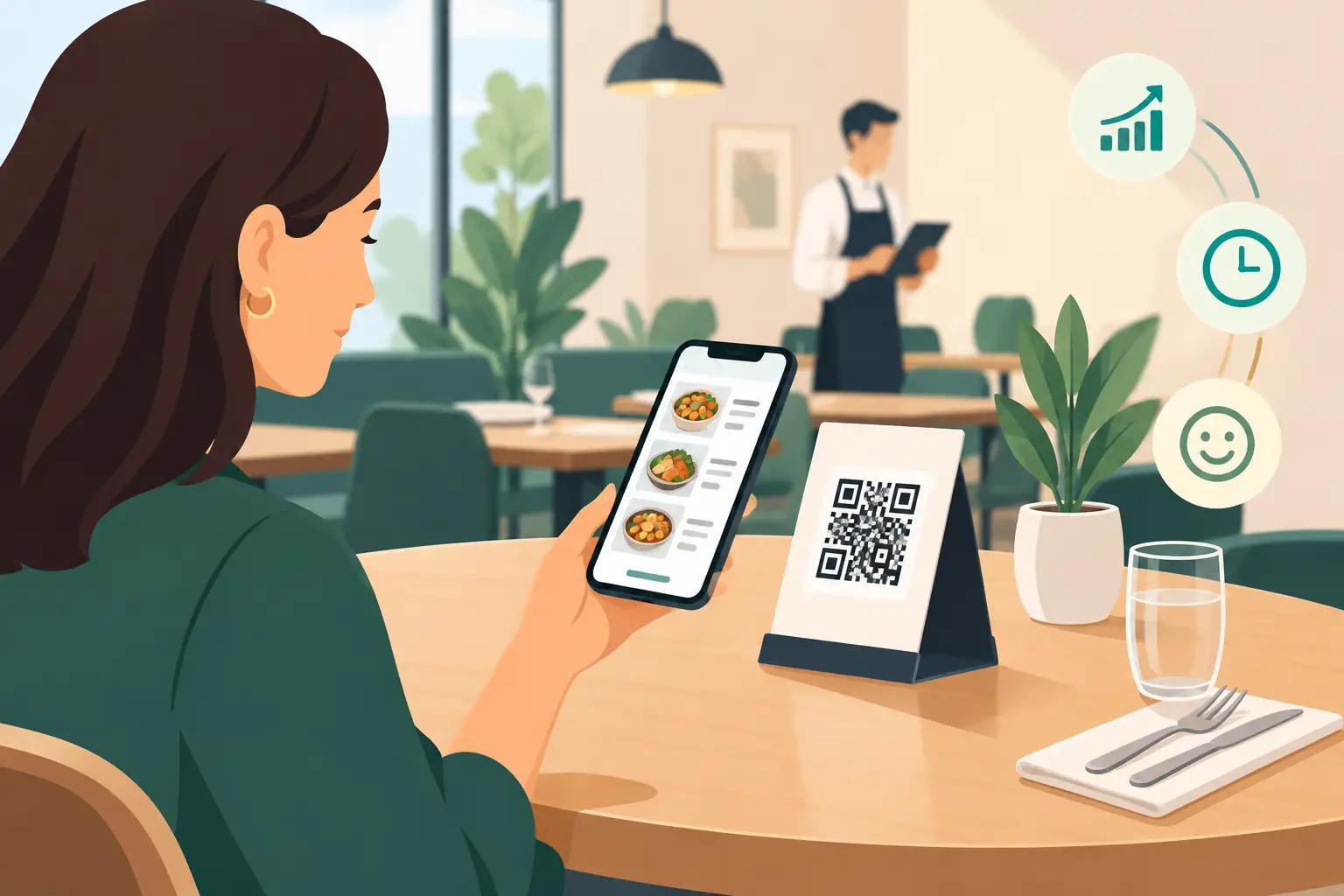
A digital menu is a menu accessible on a phone, usually after scanning a QR code. The guest doesn't install an app or wait for someone to send them a document. They open a mobile-friendly page, select a category, and immediately see what the establishment currently offers.
The biggest advantage isn't the QR code itself. What's important is the ability to change content when needed. A new coffee price, an unavailable pasta dish, a breakfast add-on, a cocktail special, or a change in opening hours can all be updated without waiting for new print runs.
This is especially significant for seasonal businesses. On the coast, menus often change due to sourcing, weather, guest numbers, and daily catches. In city cafes, prices, specials, and event offers change. Hotels need clear breakfast, room service, or bar menus in multiple languages. One system should track all these changes without creating extra work for the team.
A printed menu can still have a place in some establishments, especially when it's part of a carefully designed ambiance. However, as the sole source of information, it struggles to keep up with daily business changes. A digital version provides the necessary flexibility, while the physical menu can remain a supplement for guests who prefer it.
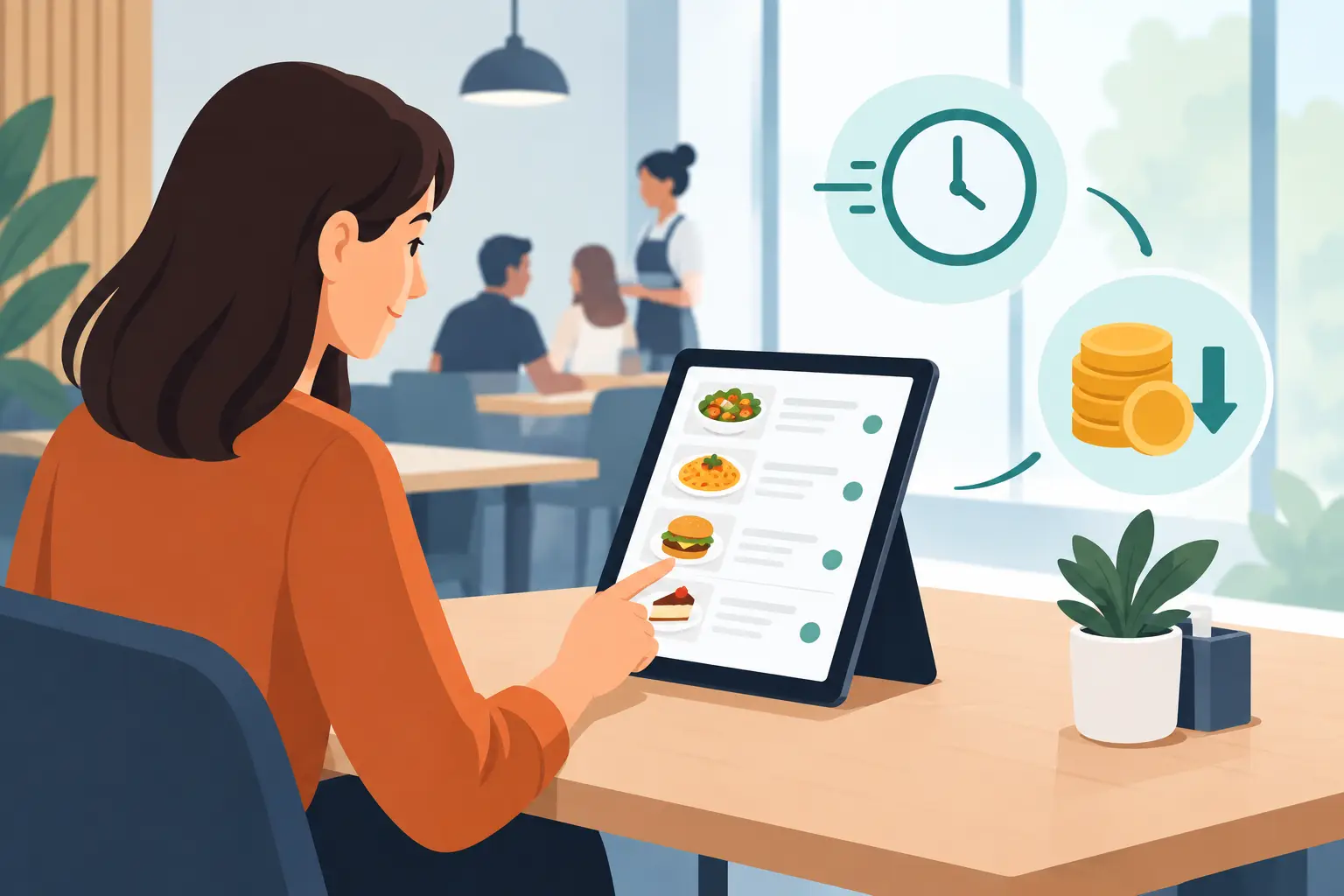
Less printing costs, more control
Re-printing menus rarely seems like a major expense until all annual changes are tallied. A new price, a description correction, a VAT change, a seasonal dish, or a translation into another language often means new file preparation and new printing. If there are multiple tables, zones, or venues, the cost grows even faster.
A digital menu doesn't eliminate the need for good offer organization, but it removes the delay between decision and guest-facing change. A manager can adjust a price as soon as confirmation is received. The kitchen can temporarily remove a sold-out dish. The bar can highlight the drink of the day before the evening rush.
Such control also has financial value. When guests only see available items, there are fewer canceled orders and less unnecessary explaining. When additions, portion sizes, and ingredients are clearly listed, it's easier to recommend higher-margin products. The menu then serves not just to inform, but also to guide choices.
What a menu guests actually use looks like
A good digital menu doesn't try to show everything at once. Guests usually want a quick answer: what do you have, how much does it cost, and is it what they're looking for? Therefore, the home page should be clear, with distinct categories such as breakfast, appetizers, main courses, desserts, non-alcoholic drinks, wines, and cocktails.
Dish names should be understandable, and descriptions brief and useful. Instead of a vague description like “house specialty,” it's better to list the main ingredients, preparation method, and side dish. This is especially important for guests with allergies, special diets, or questions about spiciness.
Photos can help sales, but only if they are high-quality and consistent. A few good photos of the most popular dishes often work better than a gallery with different styles and poor lighting. If the establishment doesn't have professional photos, a clean textual display is a better choice than photos that detract from the impression.
Prices must be visible without an extra click. The same applies to weight, volume, or number of pieces when they are important for the guest's decision. Clarity reduces questions to staff and prevents unpleasant surprises with the bill.
Multiple languages are not just for tourists
In tourist areas, foreign guests don't just expect a translation of dish names. They expect to understand what they are ordering. A direct translation is often not enough, as local names, preparation methods, and ingredients can be unclear to someone visiting the region for the first time.
A multilingual digital menu allows each guest to choose the language they understand, without a cluttered printed menu with multiple columns. This provides a tidier display and reduces pressure on staff to translate every item during peak season.
However, translations should be checked. A poorly translated description can be just as confusing as its absence. Special attention should be paid to allergens, types of meat, ingredients, measurements, and terms that have different meanings in other cultures. Accuracy here is part of good service, not just a marketing detail.
Implementation without business interruption
The best digital system is one that staff can use without extensive training. If every change is complicated, the menu will quickly become outdated regardless of good design. Therefore, before implementation, it's useful to define who changes prices, who updates availability, and who checks content before publishing.
To start, it's enough to prepare an accurate list of items, categories, prices, descriptions, and languages needed by guests. Then, the QR code is placed on tables, bills, reception, the bar, or the entrance, depending on the type of establishment. The code should be easily noticeable, with a short message telling the guest what they get by scanning, for example: “View our current menu.”
It's worth testing the menu on several different phones before guests see it. Check opening speed, category order, price readability, and translation accuracy. Also test real-world scenarios: can you hide a sold-out dish, change a price, or add a daily special in under a minute?
A platform like menu4.me makes sense when these changes remain simple and when the menu looks professional without hiring a designer for every little thing. Technology should lighten the team's load, not add another administrative burden.
Mistakes that diminish the effect
A digital menu won't solve the problem if the content is disorganized. The most common mistake is uploading a PDF file made for printing. On a small screen, such a document requires zooming, scrolling, and patience that guests don't have. A mobile menu should be designed for phone readability.
Another mistake is too much information in one place. A long list of categories, many icons, pop-ups, and animations can slow down the selection process. Guests don't need a digital catalog, but a quick and clear answer to what they can order.
The third mistake is the absence of regular maintenance. If an unavailable dish remains on the menu, the digital channel loses its primary advantage. Good practice is a quick check at the start of a shift, as well as updating as soon as there's a change in the kitchen or bar.
Digital menu as part of the service
A QR code doesn't replace the waiter or hospitality. A good waiter still recommends wine, explains dishes, and recognizes when a guest needs help. A digital menu takes over routine information so that staff have more space for higher-quality communication.
For guests, this means less waiting and more confidence in their choice. For the establishment, it means less printing, fewer errors, and better control over the offerings. When the menu is up-to-date, readable, and available in the guest's language, every order starts simpler – and it's in such small details that serious hospitality service is recognized.
Next time you change a price, introduce a seasonal dish, or expect more foreign guests, don't wait for the next print run. Prepare a menu that can change the moment your establishment does.