Digital Hotel Menu: Enhance Guest Experience & Operations
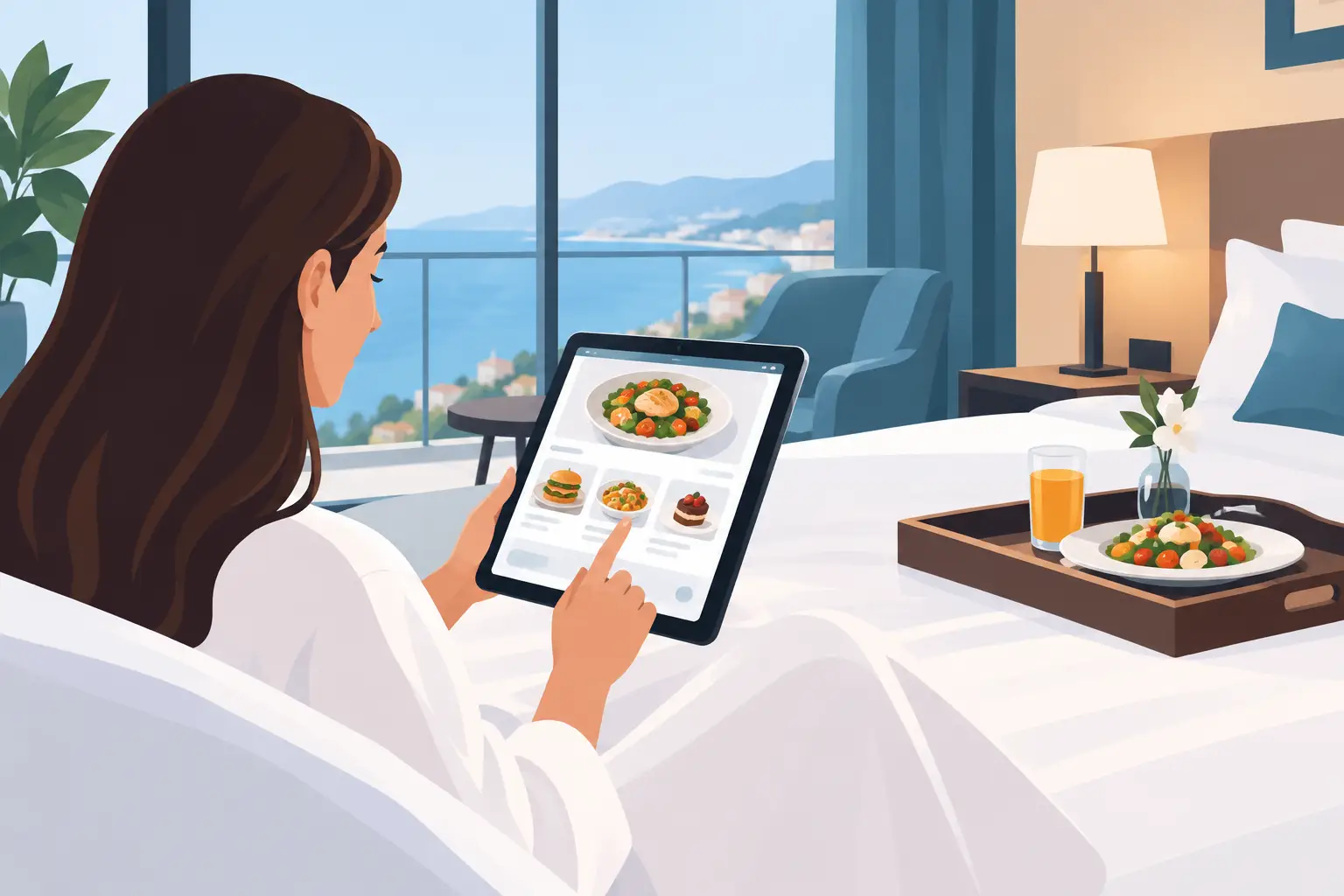
A guest arrives in their room after a journey, scans the QR code on the table or in the hotel directory, and within seconds sees breakfast, lunch, the bar menu, and room service options. They don't need to call reception to ask about breakfast hours, gluten-free options, or the price of a cocktail by the pool. This is precisely where a digital hotel menu transcends being merely a substitute for a printed price list and becomes a practical part of the service.
For a hotel, the menu is more complex than for a single restaurant. Offerings often change by time of day, season, and location within the property. Breakfast, à la carte restaurant, lobby bar, beach, pool, mini-bar, and room service all have different needs, operating hours, and audiences. When all this is managed through paper, changes are slow, expensive, and easily lead to inconsistent information.
Why a Digital Hotel Menu is an Operational Tool
A printed menu seems simple until the first change occurs. A new supplier, different portion sizes, a sold-out wine label, a seasonal cocktail, or price adjustments all require new preparation and printing. If a hotel has multiple outlets, there's a risk that an old price might remain on the terrace while the restaurant already has the updated version.
A digital menu allows changes to be entered in one place and displayed to the guest as soon as you approve them. Staff don't have to explain why the price on paper doesn't match the bill, and management doesn't delay updates because it's not cost-effective to print a new batch of menus. This is especially useful in coastal hotels, where offers and availability change faster than the season allows for waiting.
Consistency is also a significant advantage. A guest scanning a code in their room, at reception, or by the pool should receive the same basic information: dish name, price, ingredients, allergens, and availability. Different categories can have their own look and offerings, but the information must be accurate everywhere.
Digital Hotel Menu and the Guest Experience
Guests don't rate a hotel solely by its room. Their impression is built on small moments: how quickly they find an offer, whether they understand what they're ordering, and if they can decide without extra waiting. A menu on a phone doesn't replace a friendly waiter; instead, it frees up more time for recommendations, special requests, and genuine service.
International guests particularly appreciate when the offer is available in a language they understand. Translation isn't just a cosmetic addition. It reduces confusion about ingredients, preparation methods, and portion sizes. For a hotel working with international guests, multilingual content is directly linked to trust and easier sales.
A good digital menu should be easy to navigate even on a smaller screen. Too much text, small fonts, and lengthy categories create the same problem as a poorly designed printed menu. Guests need clear categories, legible prices, high-quality photos where they truly help, and concise descriptions that give a reason to choose a particular dish or drink.
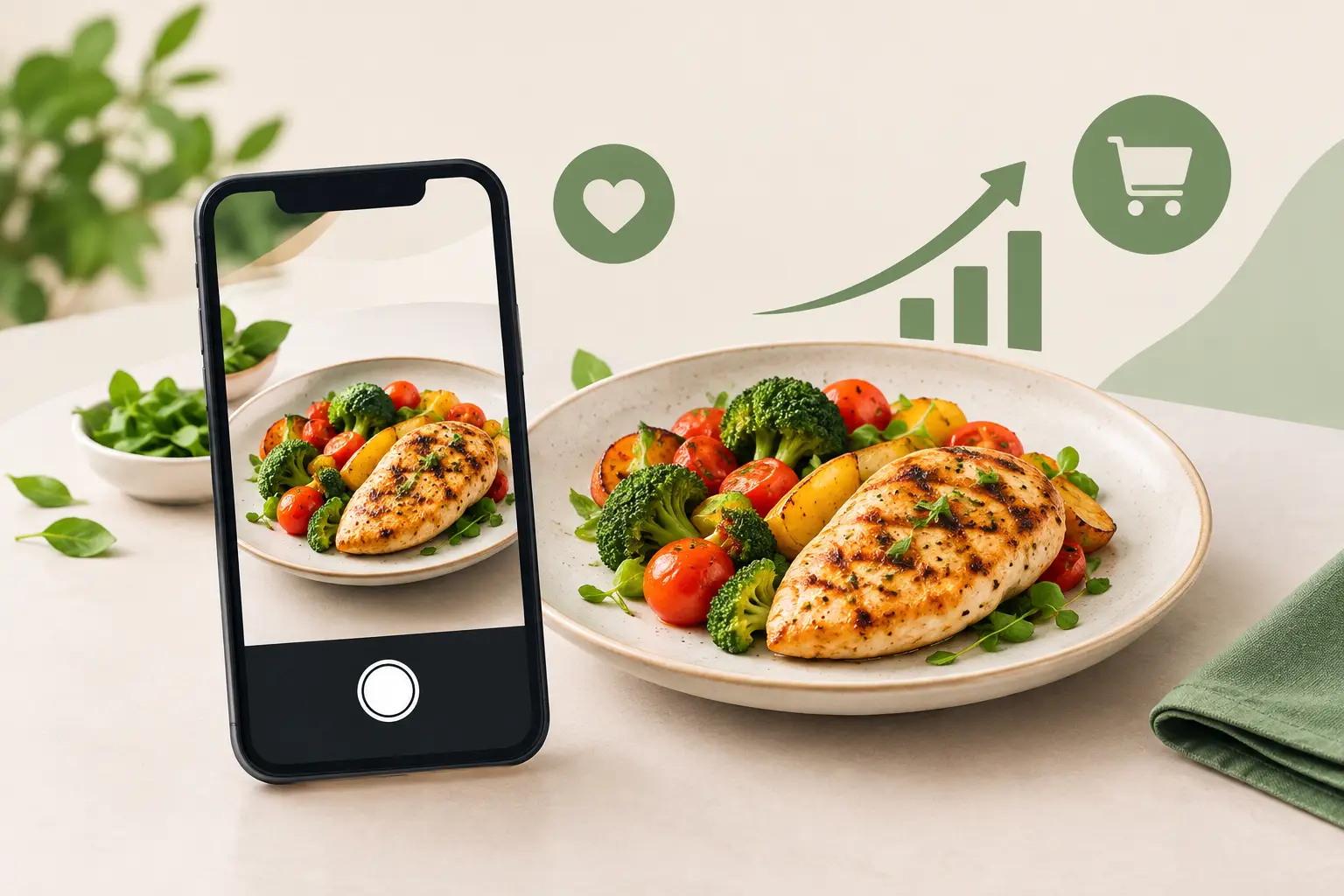
Photos make sense for recognizable dishes, house specialties, desserts, and cocktails. However, not every item needs an image. Poor or inconsistent photos can diminish the impression, while a good description and neat presentation often do a better job. The choice depends on the hotel's concept, guest profile, and the team's capacity to regularly maintain content.
Where Hotels Can Place QR Codes
One code on a restaurant table isn't the full extent of implementation. A hotel has multiple points where guests make ordering decisions, so the digital menu should be placed where needed, without cluttering the space with stickers.
On tables in the restaurant and bar, a code is expected. In rooms, it can be part of a discreet hotel directory or a card next to the phone, with clear room service instructions. By the pool, beach, and spa area, it's useful on tables, sun loungers, or info boards, provided staff can quickly respond to orders or guest queries.
Reception is also a good place for a code leading to the hotel's complete culinary offerings. A guest checking in can immediately see breakfast hours, where the restaurant is, and what's available throughout the day. This reduces repetitive questions but shouldn't replace a brief, friendly introduction from the receptionist when needed.
What a Hotel Digital Menu Should Contain
The basics are clear: item name, price, description, and availability. In a hotel environment, however, a few additional pieces of information make a big difference. Breakfast serving times, room service conditions, notes on delivery charges to the room, allergens, and vegetarian or vegan labels save time for both guests and staff.
If prices vary by location, this must be visible. A drink on the beach, in the lobby bar, and via room service doesn't have to have the same price, but the guest shouldn't find out only when they receive the bill. The same applies to limited-time offers, such as happy hour, daily specials, or seasonal promotions.
The hotel team should also consider the category structure. Instead of one overly long list, it makes more sense to separate breakfast, restaurant, bar, wines, cocktails, room service, and the children's menu. If the property has multiple restaurants, each can have its own offering, while the guest still remains within one recognizable digital presentation of the hotel.
How to Implement the System Without Overburdening the Team
The best start isn't by transferring every piece of material the hotel possesses. First, gather current price lists and verify which information is truly accurate. Then, define categories, languages, and individuals responsible for approving changes. This step prevents the digital menu from quickly becoming another outdated version of the offer.
Next is a simple routine. When the kitchen pulls a dish, when a price changes, or when the bar gets a new label, updating should be part of the daily process, not an emergency task. In smaller hotels, one management person can lead this. In larger properties, responsibility can be shared between the restaurant, bar, and marketing, with a final check before publishing.
To begin, it's sufficient to cover outlets with the most changes and highest turnover. These are often the à la carte restaurant, lobby bar, and room service. After the first phase, it's easier to extend the system to the pool, beach, spa area, or conference breaks. Gradual implementation is smarter when the team is working an intense season and there's no room for big changes all at once.
A platform like menu4.me makes sense when a hotel wants the menu to be simple for the guest and easy for the team to administer. It's important that changes don't depend on a designer, new printing, or a lengthy technical process. A hotel needs control over its offerings the moment a real change occurs.
Mistakes That Reduce the Value of a Digital Menu
The first mistake is setting up a QR code that leads to an unreadable PDF. A PDF can be a transitional solution, but on a phone, it often requires zooming, scrolling, and lengthy searching for the desired category. A mobile-optimized page provides the guest with a much better overview.
The second mistake is forgetting to update. The digital format offers speed, but only if there's a clear person and process for changes. The third is an overly aggressive design. The menu should align with the hotel's identity, but readability must remain more important than effects, animations, and too many promotional messages.
Also, don't assume every guest wants to use a phone. Older guests, business groups, or guests with specific needs may still appreciate a printed, concise version. A digital menu is not a reason to eliminate choice, but a way to make the main service flow faster and more precise.
When the offer is available, understandable, and up-to-date, staff spend less time correcting information and more on hospitality. Therefore, a good next step is simple: look at your current menu as a guest on a phone and see how quickly they can find what they want to order.