How much does a digital menu cost for your venue?
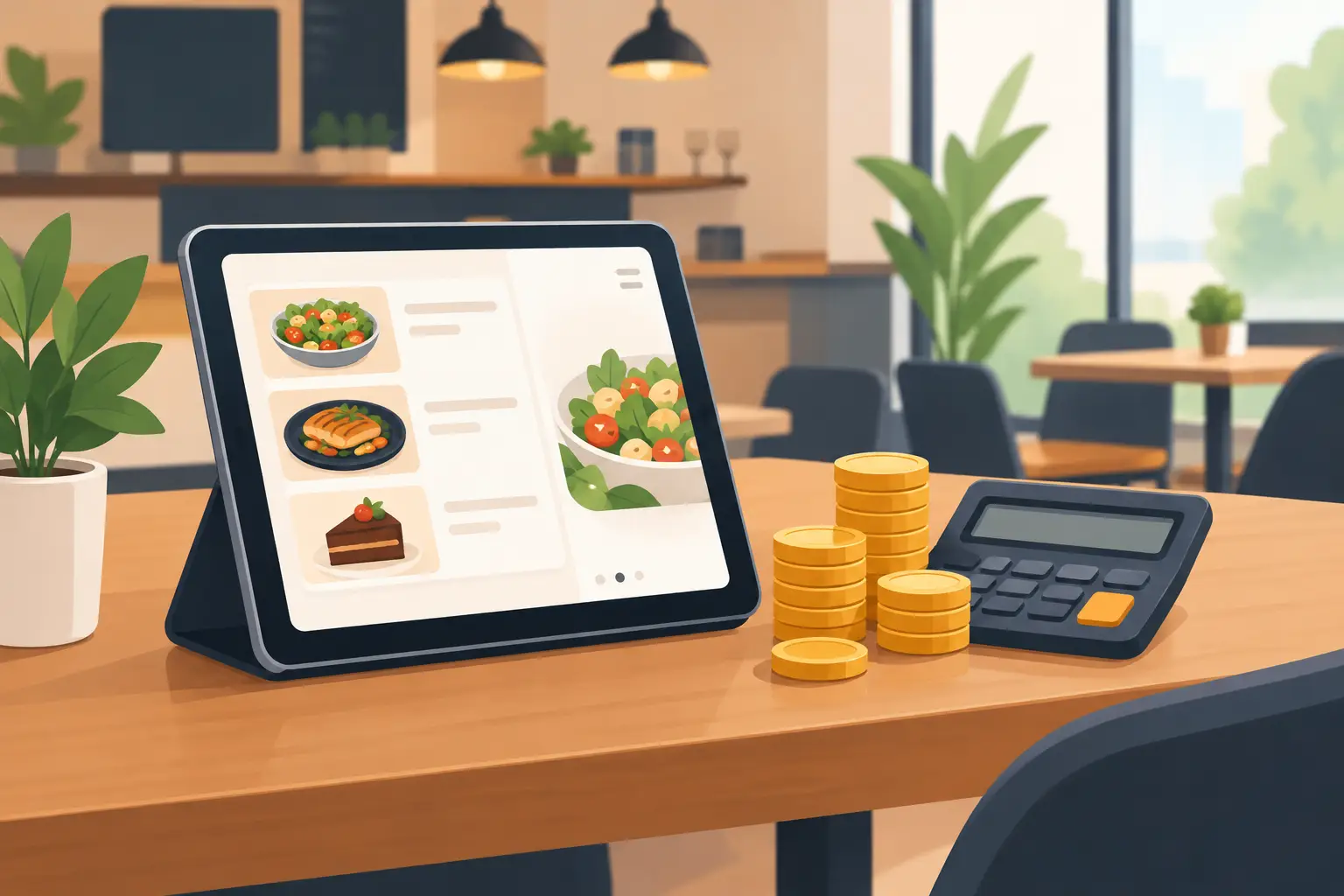
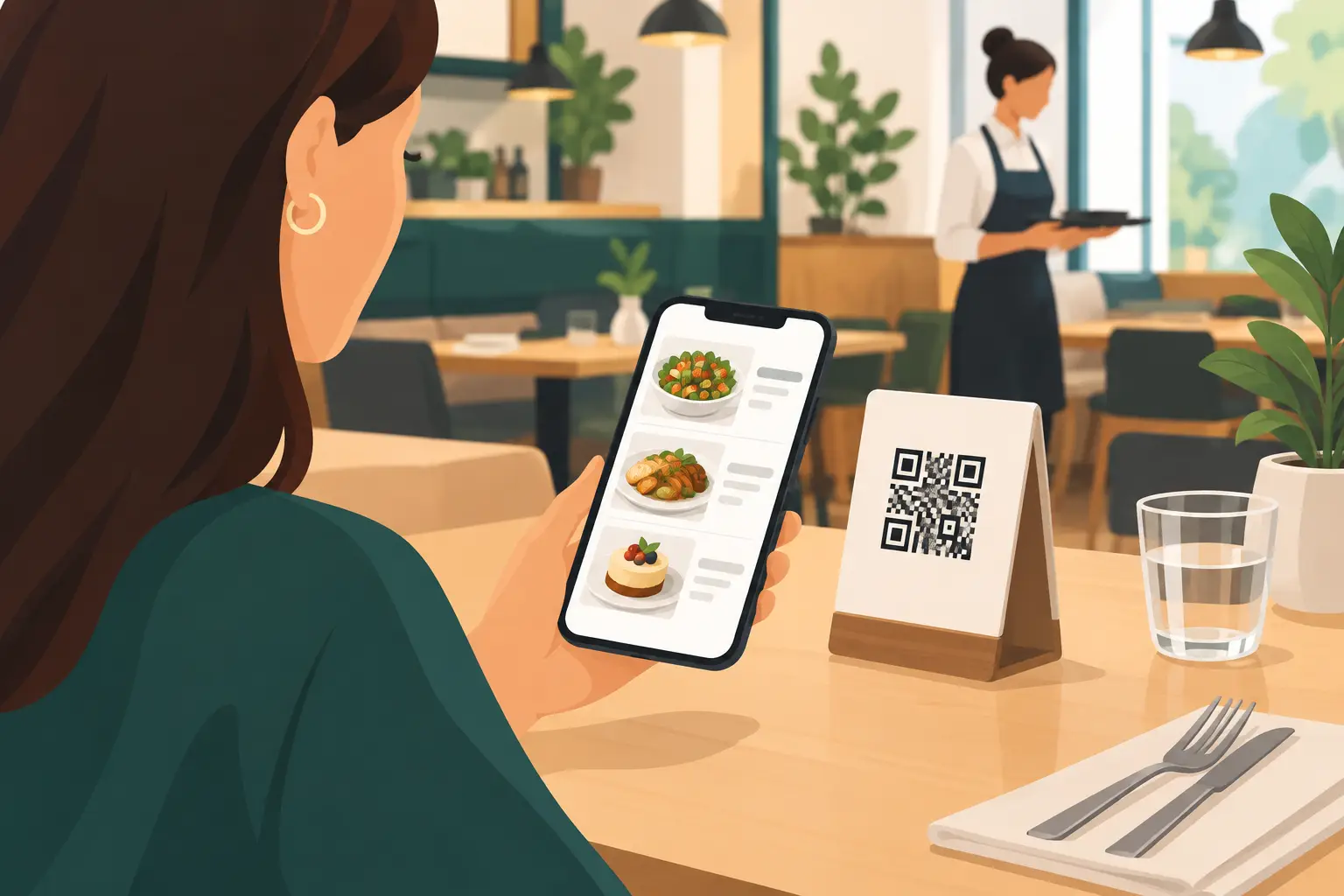
A guest sits at a table, scans a QR code, and within seconds sees your current offerings on their phone. For the venue owner, what happens behind the screen is more important: the price of a drink, a daily special, or item availability can be changed without waiting for the printer. That’s why the question of how much a digital menu costs doesn't have a single universal answer. The price depends on the scope of your offering, maintenance method, number of languages, and the level of presentation your establishment desires.
For a small cafe with one location, a digital menu might be a simple monthly expense. A restaurant with multiple categories, photos, allergens, a wine list, and content in several languages naturally involves more work. The real question isn't just about the subscription fee, but how much frequent changes, repeated printing, and inconsistent information in front of your guests are costing you today.
How much does a digital menu cost in Serbia?
The market most commonly offers two models: a monthly subscription for platform usage and a one-time fee for menu setup. Basic solutions for a single venue typically range from a few thousand dinars per month, while the price increases for additional locations, more administrative users, more languages, or advanced visual processing.
One-time setup might be free, or it could include entering the complete menu, organizing categories, preparing translations, customizing the design, and generating QR codes. In practice, the initial cost can be symbolic when the venue's team enters the content themselves, and significantly higher when the service provider handles the preparation of a larger, more complex price list.
It makes no sense to compare only the lowest monthly price. If the system is cheap, but every change requires sending a message to support, waiting several days, or incurring an extra charge, that's not the same service as a platform where an authorized team member can independently change content in minutes.
What's included in the digital menu price?
A digital menu isn't just a PDF document opened via a QR code. A PDF can be a quick temporary solution, but on a phone, it often requires zooming, is cumbersome to edit, and doesn't naturally guide the guest through categories. A professional digital menu is a mobile page adapted for ordering and reading on a small screen.
The base price usually covers hosting, a unique QR code, category and item display, price and availability changes, and administrative access. With a higher-quality solution, you can expect photo display, descriptions, allergen tags, item recommendations, and stable display on various phones.
For restaurateurs in tourist areas, multilingualism is particularly important. A menu in Serbian, English, German, or another language isn't just a translation of dish names. The price, description, ingredients, and tags need to be consistent in each version. Check whether additional languages are charged per menu, per item, or are part of a package.
Costs not always visible at the outset
A QR code itself isn't a big expense, but its physical presentation is part of the guest experience. A table sticker, acrylic stand, card, engraved plate, or branded holder all have different costs and durability. For gardens, beach bars, and high-traffic venues, a solution that withstands sun, moisture, and daily cleaning is necessary.
Photos are another item to evaluate realistically. Good photography can increase interest in certain dishes and cocktails, but it's not essential for every item. A cafe with a concise offering often only needs a clean text-based menu, while a restaurant with signature cuisine or a beach club with a cocktail menu benefits more from carefully selected visuals.
Then there's translation, editing descriptions, and initial data entry. If you have 20 items, this job is quick. If you have breakfast, lunch, dinner, a wine list, cocktails, a children's menu, and seasonal specials, preparing the content takes more time. This isn't a hidden cost if it's clearly stated upfront – it's a service that saves your team time.
Price depends on how you operate
A seasonal seaside restaurant and a city cafe don't have the same needs. A venue operating four months a year most values the ability to quickly set up its offerings, update prices due to procurement, and add content in multiple languages when international guests arrive. A year-round establishment values continuity, regular maintenance, and content control across multiple shifts more.
If you have multiple locations, look for a model that allows an overview of each venue without mixing price lists. Centralized management can save time, but each location must retain the ability to display local prices, daily specials, and items not available everywhere.
Hotels and resorts often have additional requirements: a menu for the restaurant, the poolside bar, room service, and special offers for events. In this case, the price of the digital menu should reflect the number of separate menus and operational complexity, not just the number of QR codes.
When does the investment pay off fastest?
The easiest way to calculate ROI is through printing. If you change prices several times a year, introduce seasonal menus, or correct translation errors, each new print run incurs design, proofreading, and printing costs. A digital menu reduces this cycle to a single change in the administration panel.
However, the greater benefit is operational. A waiter doesn't have to explain that a certain beer is no longer available if it's already marked in the menu. The kitchen isn't left in an awkward situation because a guest orders a dish that's sold out. A manager can immediately highlight the daily dessert, happy hour, or a new offer without collecting old cards from tables.
A digital menu doesn't solve poor organization by itself. If no one is assigned to update the content, even the best platform can display incorrect information. Therefore, designate one or two people with authorization and a clear routine: change prices as soon as they are confirmed, remove items when unavailable, and check translations before the season starts.
How to compare offers without miscalculation?
Before choosing, ask for a clear total price for the first 12 months. This will show you the monthly subscription, initial setup, content entry, additional languages, potential support, and physical QR materials. An offer without an initial fee isn't automatically more favorable if subsequent changes are limited or if every addition incurs a separate charge.
It's also worth checking who owns the content, whether you can easily edit the menu yourself, and what happens if you change the number of locations. Ask how quickly changes are published, whether the menu opens well without installing an app, and whether guests can easily find allergens, prices, and descriptions.
For most restaurants, bars, and cafes, the best choice isn't the most expensive package, but one that matches the actual rhythm of the establishment. A platform like menu4.me makes sense when it gives the team quick access to changes, guests a clear overview of the offering, and the owner a predictable cost without constantly reverting to printing.
Before requesting an offer, prepare your current price list, the number of languages you need, and a list of changes you most frequently make throughout the month. With this information, you'll easily recognize a price that isn't just acceptable on paper, but useful every day in the dining room, garden, or on the beach.