QR Menu for Restaurants: Operational Benefits & Guest Experience
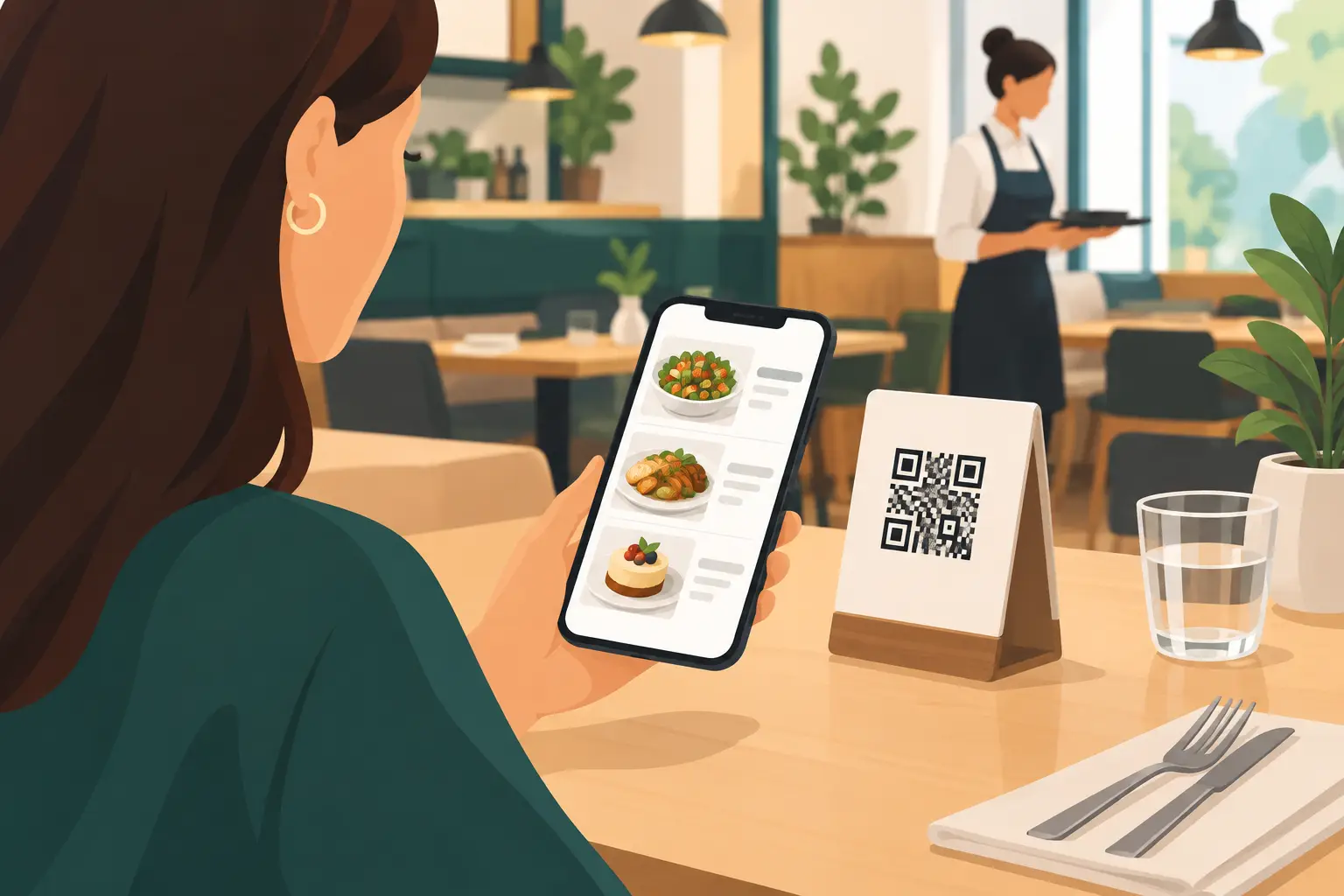
It's Saturday evening, the patio is full, and the price of a cocktail or daily special needs to change immediately. With printed menus, that means crossing things out, explaining to guests, and ordering new prints. QR menus solve precisely this problem: the guest gets the current offer on their phone, and the staff changes the content when needed.
For restaurants, cafes, bars, and hotels, a digital menu isn't just a table decoration. It's an operational tool that reduces repetitive tasks, maintains consistent information, and leaves a better first impression on guests. This is especially true for venues that operate seasonally, adjust prices based on supply, or serve a large number of international guests.
Why Printed Menus Can't Keep Up with Your Venue's Pace
A printed menu has one advantage: everyone understands it immediately and it doesn't require a phone. However, as soon as the offerings are no longer exactly the same week after week, it becomes a cost and a source of errors. A changed price, an unavailable product, a new wine by the glass, or a different breakfast offering often remain inconsistent between the kitchen, staff, and the menu on the table.
The problem isn't just the cost of reprinting. The problem is time. The manager sends changes to the designer or printer, waits for corrections, checks if everything is accurate, and old copies are still circulating the dining room. If the venue has multiple zones, room service, a patio, and a bar, the risk of different versions of the offerings increases further.
With a digital menu, changes can be available immediately after an update. This is crucial when a certain dessert runs out, when the daily special closes early, or when a supplier changes the price of an ingredient. The guest sees what they can actually order, and the waiter doesn't have to correct the menu at every table.
What a Good QR Menu Should Do for Guests
A QR code itself isn't the solution. It's just the fastest way to the offerings page. If a slow, cluttered, or outdated page opens behind the code, the experience won't be better than a printed menu. A good QR menu should allow guests to find drinks, food, and prices without additional explanation.
Clarity is More Important Than Effects
Guests most often open the menu while sitting at a table, on their phone, and with limited time. Therefore, categories must be clear: appetizers, main courses, desserts, non-alcoholic and alcoholic beverages. Names should not be creative at the expense of readability, and the price must be listed next to the product, not hidden in the description.
Photos can help, especially for desserts, cocktails, house specialties, and offerings that are not easily explained. However, too many large photos slow down display and prolong selection. For most venues, a few high-quality visuals with precise descriptions work better than a gallery that forces guests to scroll endlessly.
The description should answer practical questions. What does the guest receive, what are the key ingredients, and are there any details relevant for allergens or preparation methods? For wines and cocktails, it's useful to state the volume or drink style. For food, clear wording often prevents additional questions and disappointment after ordering.
Multiple Languages Aren't Just for Tourist Season
On the coast, in spas, larger cities, and hotels, guests often don't speak the local language. A menu translation shouldn't be a quick translation of dish names without context. International guests must understand what they are ordering, the portion size, and whether the product suits their habits or dietary restrictions.
A digital menu makes it easier to maintain multiple language versions in one place. This is more practical than printing separate menus in Serbian, English, and other languages. However, translation quality is crucial. An unclear name might sound charming, but it won't help guests make a decision.
How to Introduce QR Menus Without Staff and Guest Resistance
The best implementation doesn't start with sticking a code on every table, but by organizing the offerings themselves. Before creating the menu, check names, prices, weights, categories, and availability. The digital format quickly reveals any inconsistencies that a printed menu might have previously hidden.
Next, determine what the guest sees first. A cafe might place coffee, non-alcoholic drinks, and breakfast ahead of a longer offering. A restaurant might highlight the daily menu, house recommendation, or a special they want to sell that day. The structure should follow how guests actually order, not the internal organization of procurement.
Place the QR code where guests naturally look for it: on the table, bar, reception, or in a hotel room. It should be large enough to scan and accompanied by a short, clear message, for example: "Scan for menu." The design can follow the venue's identity, but it must not hinder the primary action.
Staff should know how the system works. Waitstaff don't need to be IT support, but they should be able to tell guests to scan the code with their phone camera and offer help if needed. A good approach is for the digital menu to enhance service, not become an excuse for staff absence from the table.
It's important to keep an alternative for guests who don't want or can't use a phone. A few neat printed copies, especially for older guests or situations with weak internet, show consideration. A QR menu isn't an obligation for the guest, but a faster choice for most.
Operational Advantage Lies in Daily Changes
The true value of a digital menu isn't seen on the first day, but when the first urgent change arises. If salmon runs out, the kitchen can remove the dish from the offerings instead of staff repeating all day that the product is unavailable. If a cocktail is a weekly favorite, it can get a more prominent place on the menu without printing new cards.
The same applies to seasonal offerings. A beach bar in early June doesn't operate the same as in peak August. A hotel changes breakfast, lunch, and dinner depending on occupancy. A restaurant introduces menus for holidays, business lunches, or tastings. QR menus allow content to follow the rhythm of business, without accumulated old materials in storage.
For an owner or manager, this means less dependence on external printing processes and more control over the information reaching the guest. For the marketing team, it means space to highlight promotions without the risk of the promotional message remaining on the table when it's no longer valid.
A platform like menu4.me makes sense when a venue wants a clear, mobile-friendly address for its offerings, with the ability to quickly update and display in multiple languages. The most important thing is that the solution doesn't complicate shift work. If entering changes is slow or unclear, staff will revert to messages, papers, and verbal corrections.
Where a QR Menu Can Fall Short
A digital menu won't automatically increase sales or fix a poor offering. If prices are illogical, photos are bad, or descriptions are confusing, the phone merely transfers the same problem to a different screen. That's why it's useful to view the menu as part of the guest experience, along with service, atmosphere, and food quality.
Attention should also be paid to the internet connection at the venue. A guest waiting for a page to load will not have patience for technology. The menu should be lightweight, fast, and readable even on a weaker network. Also, before publishing any change, check how the content displays on a phone, not just on a computer.
Legal and business information requires the same attention as with a printed menu. Prices, currencies, allergens, and mandatory notes must be accurate. The advantage of the digital format is that errors can be corrected quickly, but that's not a reason to publish content without checking.
A Menu That Keeps Pace with Your Venue's Operations
The best QR menu doesn't force guests to think about technology. Guests simply open the offerings, find what they want, and make decisions more easily. The venue, on the other hand, gains the ability to react to real-time situations throughout the day.
Start with one good version of the menu: clear categories, accurate names, tidy prices, and a translation that truly helps. When such a menu becomes part of daily operations, every subsequent change will be a smaller task, and every table receives current offerings without waiting for new prints.